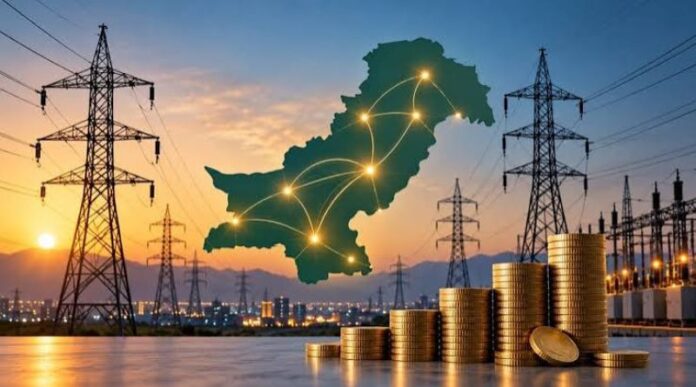

Rising electricity and gas prices have become one of the biggest concerns for people across Pakistan. A recent survey shows that around one in every five Pakistanis considers higher power and gas prices to be the biggest problem facing the country.
The finding highlights the growing pressure on households as people continue to deal with expensive utility bills, higher living costs, and limited room in their monthly budgets. For many families, electricity and gas are no longer just regular household expenses. They have become a major part of financial planning.
The rising cost of utilities is also affecting businesses, workers, and middle-class families. When electricity and gas prices increase, the impact is often felt beyond the monthly bill. Businesses may raise prices to cover higher operating costs, while households may reduce spending on other essential items.
High Utility Bills Create Pressure on Households
Electricity bills have become a major source of worry for Pakistani households. Over the past few years, consumers have faced repeated increases in electricity tariffs, adjustments, taxes, and other charges.
For families already dealing with higher prices of food, transport, education, healthcare, and other daily needs, an expensive electricity bill can create serious financial stress.
Many households have had to change their daily habits to control power consumption. People may reduce the use of air conditioners, fans, water pumps, washing machines, and other appliances in an effort to keep bills within their budgets.
However, reducing electricity use is not always easy, especially during Pakistan’s hot summer months. In many parts of the country, temperatures can remain extremely high, making fans and cooling systems necessary rather than optional.
As a result, households can find themselves in a difficult situation. They need electricity for basic comfort and daily activities, but using more electricity can result in a much higher monthly bill.
Gas Prices Add to the Burden
Electricity is not the only utility creating problems for consumers. Gas prices have also increased, adding another expense for households and businesses.
Natural gas is widely used in Pakistan for cooking, heating, and industrial activities. Any increase in its price can therefore have a direct effect on people’s monthly expenses.
For families using gas for cooking, higher tariffs mean that even basic household needs can become more expensive. In colder areas, the impact can be greater because households may need more gas for heating and other purposes.
The situation also affects industries and commercial users. Higher energy costs can increase the cost of production, which may eventually affect the prices of goods and services available to consumers.
This creates a chain reaction in the economy. When energy becomes expensive, businesses face higher costs. Businesses may then increase prices, while consumers have to pay more for everyday products.
One in Five Pakistanis Highlight Energy Prices
The survey finding that one in five Pakistanis sees rising power and gas prices as the biggest problem shows how important the energy issue has become.
It also reflects the pressure that high utility costs are placing on household budgets. While Pakistan faces several major economic and social challenges, energy prices have emerged as a direct concern for a large section of the population.
For ordinary consumers, utility bills are easy to understand because they arrive every month and have an immediate effect on household finances.
A family may be able to delay certain purchases or reduce spending on non-essential products. However, electricity and gas bills have to be paid regularly. This makes rising utility prices especially difficult for people with fixed or limited incomes.
Middle-Class Families Face Growing Challenges
Middle-class households are particularly sensitive to rising utility prices. Many families have fixed salaries but face increasing costs across almost every part of their daily lives.
When electricity and gas bills rise, families may have to reduce spending on other areas. Some may cut back on entertainment, shopping, travel, or other non-essential expenses.
Others may struggle to maintain spending on education, healthcare, and household needs.
For salaried workers, the problem can be even more difficult when wages do not increase at the same speed as prices. A salary that was enough to cover monthly expenses a few years ago may no longer provide the same level of financial comfort.
Utility bills therefore become an important factor in household budgeting.
Businesses Are Also Affected
The impact of expensive electricity and gas is not limited to residential consumers. Businesses across Pakistan also depend heavily on energy to operate.
Factories need electricity and gas to run machinery and production lines. Shops and offices require electricity for lighting, cooling, computers, and other equipment. Restaurants and other businesses may depend on gas for cooking.
When energy costs rise, operating expenses also increase.
Small businesses can face particular difficulties because they often have limited financial resources. A large company may have more options to manage higher costs, but a small shop, workshop, restaurant, or factory may have less room to absorb an increase.
Higher energy costs can also make it harder for businesses to keep their prices low.
Expensive Energy Can Push Up Prices
One of the biggest concerns linked to higher power and gas prices is their wider effect on inflation.
Energy is an important part of almost every economic activity. Goods have to be produced, stored, transported, and sold. Each stage may involve energy costs.
If factories pay more for electricity and gas, their production costs can rise. Transport and storage businesses may also face higher expenses. Retailers can then face higher costs when purchasing and selling products.
Eventually, consumers may feel the impact through higher prices.
This means that an increase in utility prices can affect people even if they do not directly use large amounts of electricity or gas. The cost can reach consumers through the prices of food, clothing, household goods, and other products.
Electricity Tariffs Remain a Major Issue
Electricity pricing has remained a major topic of discussion in Pakistan. Consumers often complain that their bills contain several different charges, making it difficult to understand why the final amount is so high.
Apart from the basic electricity tariff, bills can include taxes, adjustments, surcharges, and other charges.
For consumers, the final bill is what matters. When the amount is significantly higher than expected, families can struggle to manage their monthly finances.
The issue becomes more serious when consumption increases slightly but the bill rises sharply due to different tariff slabs and additional charges.
This has led to calls from consumers for a simpler and more affordable electricity pricing system.
The Need for Affordable Energy
Affordable and reliable energy is important for both households and economic growth.
People need electricity for basic household activities, education, communication, and work. Businesses need reliable energy to produce goods and provide services.
If energy becomes too expensive, it can affect both living standards and business activity.
For Pakistan, the challenge is to ensure that the energy sector remains financially sustainable while keeping electricity and gas affordable for ordinary consumers.
The country has faced problems related to power sector losses, circular debt, expensive generation, transmission issues, and gas supply shortages. These problems can make it difficult to reduce costs quickly.
At the same time, consumers have limited ability to absorb further increases.
Why Energy Prices Matter So Much
The survey result provides an important picture of how people view the country’s economic challenges.
When one in five people identifies rising electricity and gas prices as the biggest problem, it shows that the issue has moved beyond the energy sector.
For consumers, expensive utilities are connected with several other concerns, including inflation, household income, business costs, and overall quality of life.
A family does not look at its electricity bill in isolation. It considers the bill alongside food prices, school fees, transport costs, rent, medical expenses, and other monthly payments.
If one major expense rises, there is less money available for everything else.
Impact on Low-Income Families
Low-income households are often more vulnerable to rising utility costs because they have smaller financial cushions.
A family with a limited monthly income may already spend most of its earnings on food, rent, transport, and other basic needs. An unexpected increase in electricity or gas costs can therefore create immediate difficulties.
Some households may be forced to borrow money or delay other payments when bills become too high.
This is why energy pricing is closely linked to the broader issue of living standards.
Affordable utility services can help families manage their budgets, while high energy costs can increase financial pressure.
Energy Efficiency Can Help
While reducing tariffs is an important part of the discussion, better energy use can also help consumers manage their bills.
Households can reduce unnecessary electricity consumption by using energy-efficient appliances, switching off unused devices, improving insulation where possible, and managing cooling systems carefully.
Businesses can also invest in more efficient equipment and energy-saving systems.
However, energy efficiency alone cannot solve the wider pricing problem. Consumers need access to reliable electricity and gas at prices that are manageable for their incomes.
The Role of Renewable Energy
Pakistan has also been seeing growing interest in renewable energy, particularly solar power.
Many households and businesses have considered solar systems as a way to reduce their dependence on grid electricity.
Solar power can help consumers generate some of their own electricity and reduce their monthly bills, although the initial cost of installing a system can be difficult for many families.
The expansion of renewable energy could become an important part of Pakistan’s long-term energy strategy.
However, the benefits need to reach a wider section of society rather than remaining limited to consumers who can afford large upfront investments.
A Major Public Concern
The survey’s finding is significant because it shows how directly energy prices affect people’s lives.
For many Pakistanis, the problem is not simply that electricity or gas has become more expensive. The bigger concern is how these higher costs fit into a wider period of rising household expenses.
People are trying to manage food bills, school expenses, transport costs, healthcare payments, and other daily needs. A higher utility bill can make this balance even harder.
The issue is therefore closely connected with the country’s broader economic situation.
What Consumers Want
Consumers generally want electricity and gas services that are reliable, predictable, and affordable.
A predictable bill allows families to plan their monthly spending. Sudden increases, however, can create uncertainty and financial pressure.
Businesses also need stable energy prices to plan production, investment, and employment.
For this reason, energy policy has an important role in the country’s economic future.
Any steps that reduce system losses, improve power distribution, increase efficiency, strengthen gas supply, and lower unnecessary costs could help address some of the pressure faced by consumers.
Conclusion
Rising electricity and gas prices have become a major concern for people in Pakistan, with around one in five Pakistanis identifying higher power and gas costs as the biggest problem.
The concern is understandable in the context of rising household expenses and pressure on incomes. High utility bills can affect family budgets, business costs, product prices, and overall living standards.
Electricity and gas are essential services, which means consumers cannot simply stop using them when prices increase. Families can reduce consumption to some extent, but basic energy needs remain.
For Pakistan, the challenge is to build an energy system that is reliable and financially stable while also keeping costs manageable for ordinary consumers.
As households and businesses continue to deal with higher expenses, the cost of electricity and gas is likely to remain an important economic issue. Addressing the problem will require long-term improvements in the energy sector, better management of costs, and policies that consider the financial pressure faced by consumers.
The survey result makes one point clear: for a significant share of Pakistan’s population, expensive power and gas are no longer just an economic statistic. They are a daily household concern that directly affects how people manage their money and plan their lives.
Read Also: check