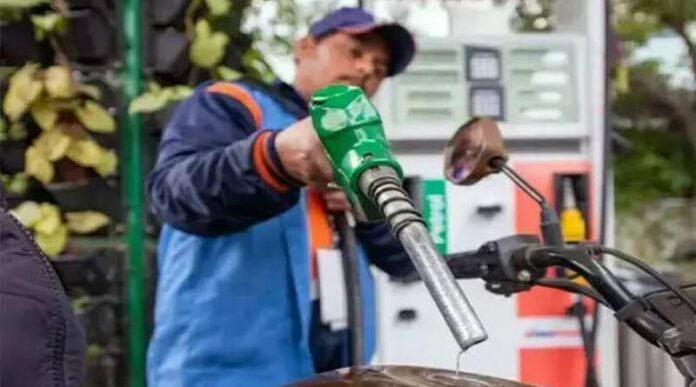

Fuel prices have continued to move downward, bringing some relief to consumers and transporters who have been facing high transportation and daily living costs. For the third day in a row, fuel prices have shown a decline, creating hopes that the recent pressure on household budgets and business expenses may ease further.
The continued fall in fuel prices is important for Pakistan because petrol and diesel directly affect the cost of transportation. When fuel becomes cheaper, the impact can gradually reach other areas of the economy, including public transport, goods delivery, agriculture, and the prices of everyday products.
For ordinary people, even a small reduction in fuel prices can make a difference. Families that use motorcycles and cars for work, education, shopping, and other daily activities can save some money on transportation. Similarly, drivers, transport companies, and businesses that depend heavily on fuel may see some reduction in their operating expenses.
Fuel Prices Decline for the Third Day
The latest movement marks the third consecutive day of lower fuel prices. The decline has attracted attention because fuel costs have remained a major concern for consumers in recent months.
Petrol and diesel prices have a direct connection with the cost of moving people and goods from one place to another. As a result, any change in fuel prices can have a wider effect on the economy.
The repeated decline has therefore raised hopes among consumers that fuel costs may remain under pressure in the coming days. However, the final price paid by consumers depends on several factors, including international oil prices, the exchange rate, taxes, petroleum levies, and government decisions.
A fall in international oil prices can reduce the cost of imported fuel, but the benefit received by local consumers also depends on domestic pricing decisions.
Why Fuel Prices Matter So Much
Fuel is one of the most important parts of Pakistan’s economy. Millions of people use petrol for motorcycles and cars, while diesel is widely used by buses, trucks, tractors, generators, and other vehicles and machines.
Because of this wide use, changes in fuel prices can affect almost every part of daily life.
For example, transporters need fuel to operate buses and trucks. When diesel prices rise, their expenses also increase. Trucking companies may then face higher costs when moving goods between cities. These additional costs can eventually reach wholesalers, retailers, and consumers.
The same situation applies to agriculture. Farmers use diesel for tractors, tube wells, harvesting machines, and other equipment. Higher fuel prices can increase farming costs, which may later affect the prices of agricultural products.
A reduction in fuel prices can work in the opposite direction. Lower fuel costs can help reduce transportation expenses and may provide some relief to businesses and consumers.
Relief for Motorcycle and Car Users
For many Pakistani households, fuel is a regular monthly expense. Motorcycles are particularly common because they are cheaper to operate than cars and are widely used by workers, students, and small business owners.
A reduction in petrol prices can help motorcycle users manage their monthly budgets more easily.
Car owners can also benefit, although their fuel expenses are generally higher. People who travel long distances for work or business may notice the impact more clearly.
The savings may appear small on a single trip, but they can become more meaningful over an entire month. A person who travels every day can use less money on fuel when prices remain lower.
For families already dealing with higher food, electricity, education, and other household costs, any reduction in transportation expenses can provide some breathing room.
Transport Sector May Also Benefit
The transport sector is another major area affected by fuel prices.
Buses, coaches, taxis, ride-hailing vehicles, trucks, and other commercial vehicles depend on fuel for their daily operations. Fuel is often one of the largest running expenses for these businesses.
When fuel becomes expensive, transport operators face higher costs. In some cases, they may increase fares to cover the difference. This can create additional pressure on passengers who already have limited monthly incomes.
A sustained decline in fuel prices could reduce some of this pressure.
However, lower fuel prices do not automatically mean that transport fares will fall. Transport operators also have other expenses, including vehicle maintenance, salaries, spare parts, tolls, taxes, and financing costs.
Still, cheaper fuel can improve their operating position and reduce one of their major expenses.
Possible Impact on Prices of Goods
Fuel prices also have an indirect effect on the prices of goods.
Most products sold in markets need to be transported at some stage. Vegetables and fruits move from farms to markets, manufactured products move from factories to shops, and imported goods travel from ports to warehouses and stores.
All of this requires transportation.
When fuel prices rise, transportation costs generally increase. Businesses may then pass some of those additional costs on to customers.
If fuel prices continue to decline, transportation costs could come under less pressure. This may help businesses control their expenses.
However, consumers should not expect an immediate fall in all product prices simply because fuel has become cheaper. Product prices are affected by many other factors, including supply, demand, electricity costs, wages, taxes, exchange rates, and import prices.
Therefore, the effect of cheaper fuel may take time to appear in the wider market.
Impact on Businesses
Businesses across Pakistan closely watch fuel prices because transportation is an important part of their operations.
Large companies may operate fleets of vehicles for deliveries and distribution. Smaller businesses may also depend on motorcycles, vans, pickups, and trucks to bring goods from suppliers or deliver products to customers.
When fuel becomes cheaper, these businesses may be able to reduce some operating costs.
For companies working with tight profit margins, even a small reduction in fuel expenses can be useful. It may help them manage other rising costs without immediately increasing prices.
Transport-dependent industries such as logistics, delivery services, construction, and agriculture can be particularly sensitive to fuel price changes.
Farmers Could Get Some Relief
Agriculture is another sector where fuel prices matter greatly.
Pakistan’s farmers use tractors and other machinery for land preparation, planting, harvesting, and transportation. Diesel is also used in many areas for tube wells and other agricultural activities.
When diesel prices rise, farmers often face higher production expenses.
A reduction in fuel prices could therefore provide some relief, particularly if the lower rates continue for a longer period.
However, farmers face many other expenses as well. Seeds, fertiliser, pesticides, electricity, machinery, labour, and water costs all affect the final cost of production.
This means cheaper fuel alone cannot solve all the financial challenges faced by farmers, but it can reduce one part of their overall expenses.
International Oil Market Remains Important
Pakistan imports a significant amount of its fuel, which means international oil prices have an important role in domestic fuel rates.
When global crude oil prices move lower, the cost of importing petroleum products can also decrease. On the other hand, a rise in global oil prices can put pressure on domestic fuel prices.
The international market can change quickly because of global demand, production decisions, geopolitical tensions, supply concerns, and other factors.
This is why consumers cannot assume that a short-term decline will continue indefinitely.
The local currency is another important factor. Even if international oil prices fall, a weaker rupee can reduce the benefit because Pakistan needs more rupees to pay for imported fuel.
Exchange Rate Also Plays a Role
Pakistan’s fuel prices are influenced not only by international oil rates but also by the exchange rate.
Since petroleum products are imported or linked to international prices, the rupee-dollar exchange rate affects their cost in local currency.
If the rupee remains stable or improves against the dollar, it can support lower import costs. If the rupee loses value, imported fuel can become more expensive even when global oil prices are relatively stable.
This is one reason why fuel prices in Pakistan can change differently from international crude prices.
Government Taxes and Levies
Taxes and petroleum-related charges are also included in the final price consumers pay at fuel stations.
As a result, a reduction in international oil prices does not always translate into an equal reduction in the retail price of petrol or diesel.
The government considers several factors when setting or adjusting domestic fuel prices. These can include international prices, exchange rates, taxes, levies, and other costs linked to the supply of petroleum products.
Therefore, the movement of global oil prices is only one part of the overall pricing picture.
What It Means for Consumers
The third consecutive day of lower fuel prices is positive news for people who depend heavily on petrol and diesel. It can provide some immediate relief to motorists and businesses and may also reduce pressure on transportation costs.
For households, the biggest benefit could come from lower monthly spending on commuting and other travel.
For businesses, cheaper fuel could help control delivery and transportation expenses.
For farmers, lower diesel costs could reduce some machinery and irrigation expenses.
For consumers generally, the wider benefit could come if lower transportation costs eventually reduce some pressure on the prices of goods and services.
However, the overall impact will depend on whether the decline continues and how other economic factors move.
Will Fuel Become Even Cheaper?
The future direction of fuel prices remains uncertain.
Several factors will determine what happens next. International crude oil prices will remain important, while the rupee-dollar exchange rate will also play a major role. Government taxes, petroleum levies, import costs, and local market conditions will also influence the final price.
If international oil prices remain low and the exchange rate stays stable, there could be room for further relief. But if global oil prices rise again or the rupee comes under pressure, the recent decline could slow down or reverse.
Consumers should therefore treat the current reduction as short-term relief rather than assume that fuel prices will continue falling automatically.
A Welcome Development After High Costs
The continued decline in fuel prices comes at a time when many households and businesses are trying to manage their monthly expenses carefully.
Transportation is an unavoidable cost for most people. Workers need to travel to offices, students need to reach schools and colleges, businesses need to move products, and farmers need fuel for machinery.
For this reason, changes in petrol and diesel prices can have a much wider impact than the amount shown on the fuel station’s price board.
The third consecutive day of cheaper fuel is therefore being viewed with interest by consumers and businesses alike. If the trend continues, it could provide further relief to transport operators, motorists, farmers, and companies that depend on fuel.
At the same time, the wider impact on inflation and product prices will depend on other economic conditions. Lower fuel prices can reduce one major cost, but they cannot by themselves determine the price of everything in the market.
For now, consumers have some reason to welcome the latest movement. The key question will be whether the decline continues in the coming days and whether lower fuel costs eventually translate into broader savings for households and businesses across Pakistan.
Read Also: check