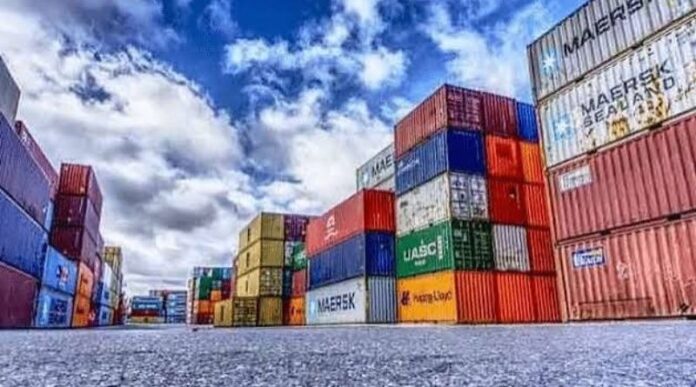

Pakistan’s exports recorded a sharp increase in September, giving a positive sign for the country’s economy and its efforts to improve foreign exchange earnings. The strong performance shows that demand for Pakistani products in international markets is improving and exporters are finding more opportunities to sell their goods abroad.
The rise in exports is important for Pakistan because the country has been working to increase foreign exchange inflows and reduce pressure on its external account. Higher exports can help improve the trade balance, support the local currency, and reduce the need for heavy borrowing to meet foreign payment requirements.
September’s export performance also comes at a time when the government and business community are focusing on increasing production, improving competitiveness, and finding new international markets. If this trend continues in the coming months, it could provide further support to the country’s economy.
Strong Growth in September Exports
Pakistan’s export sector showed a noticeable improvement during September. The increase reflects better performance by several important export segments and stronger activity among businesses involved in international trade.
Exports are a key source of foreign exchange for Pakistan. The country earns dollars and other foreign currencies by selling products and services to buyers in different parts of the world. These earnings are then used to pay for imports, debt payments, energy purchases, and other international obligations.
For this reason, a rise in exports is always seen as a positive development for the economy.
The latest increase suggests that Pakistani exporters are making progress despite challenges such as high production costs, competition in global markets, energy prices, and changing international demand.
Exporters have faced several difficulties in recent years. Rising business costs have affected profit margins, while problems related to energy, financing, transportation, and raw materials have also created pressure on manufacturers.
Despite these challenges, the September figures show that the export sector continues to play an important role in supporting Pakistan’s economic activity.
Why Higher Exports Matter for Pakistan
Pakistan regularly faces a gap between the value of goods it imports and the value of goods it exports. When imports remain much higher than exports, the country needs more foreign exchange to pay for international purchases.
Increasing exports can help reduce this pressure.
When Pakistani companies sell more products overseas, more foreign currency enters the country. This can strengthen the external position and provide greater support to the balance of payments.
Higher exports can also benefit local businesses. Export-oriented companies may increase production when they receive more international orders. This can create additional jobs and support industries connected with manufacturing, packaging, transportation, logistics, and other services.
For example, when a textile company receives more orders from overseas buyers, it may need more workers and additional raw materials. Transport companies, packaging suppliers, and other businesses can also benefit from higher export activity.
This means that export growth can have a wider impact than simply increasing foreign exchange earnings.
Textile Sector Remains Important
Pakistan’s textile industry has traditionally been one of the country’s biggest export sectors. Textile products, garments, towels, bedwear, knitwear, and other related goods are sold in major international markets.
The performance of this sector has a direct impact on the country’s overall export figures.
Pakistani textile exporters compete with producers from countries such as Bangladesh, India, Vietnam, China, and other major manufacturing economies. Price, product quality, delivery times, and reliability all play an important role in attracting foreign buyers.
The recent improvement in exports indicates that Pakistani businesses continue to have demand in international markets.
However, maintaining this growth will require exporters to remain competitive. Buyers around the world have many options, and companies must provide good-quality products at reasonable prices.
Investment in modern machinery, better production methods, skilled workers, and improved technology can help Pakistani exporters compete more effectively.
Food and Other Products Add to Export Growth
Pakistan’s export basket is not limited to textiles. The country also exports rice, leather products, sports goods, surgical instruments, fruits, vegetables, seafood, and various manufactured items.
Food exports are particularly important because Pakistan has a large agriculture sector. Rice is one of the country’s major export products and is shipped to several international markets.
Demand for Pakistani agricultural products can provide additional opportunities for exporters. However, increasing food exports requires improvements in storage, packaging, transportation, quality control, and processing facilities.
Pakistan can earn more from its agricultural products if it moves beyond exporting basic commodities and focuses more on processed and value-added goods.
For example, instead of exporting only raw agricultural products, companies can develop packaged and processed food products for international consumers. This can increase the value earned from each shipment.
Exporters Still Face Several Challenges
Although the rise in September exports is encouraging, exporters continue to face several challenges.
One of the biggest issues is the cost of doing business. Electricity, gas, transportation, labor, and raw material costs can affect the final price of Pakistani products.
If production becomes too expensive, Pakistani exporters may struggle to compete with businesses in other countries.
Another challenge is access to finance. Export businesses often need working capital to purchase raw materials, pay workers, produce goods, and complete international orders. Expensive financing can make it harder for smaller companies to expand.
Small and medium-sized businesses also face difficulties in entering foreign markets. Many companies have good products but lack the resources, knowledge, or international connections needed to find overseas buyers.
Better support for small exporters could help Pakistan expand its export base.
Need to Explore New International Markets
Pakistan has traditionally depended on a limited number of major markets for many of its exports. While these markets remain important, expanding into new countries can reduce risks and create additional opportunities.
Pakistani companies can explore markets in Central Asia, Africa, the Middle East, Southeast Asia, and other growing regions.
Different markets have different consumer needs. Pakistani businesses can develop products according to local demand and use online platforms to connect with international buyers.
Trade exhibitions, business delegations, digital marketplaces, and government-supported trade programs can also help local companies reach new customers.
Finding new markets is especially important for small exporters that may not have strong relationships with established international buyers.
Value-Added Exports Can Increase Earnings
Another important area for Pakistan is value addition.
A country can increase export earnings not only by selling more products but also by selling products with greater value.
For instance, exporting raw cotton generates less income than exporting finished garments. Similarly, processed food products can bring higher returns than unprocessed agricultural goods.
Pakistan has the potential to increase exports by developing more finished and branded products.
This approach can also create more jobs because value-added industries usually require additional workers for processing, packaging, design, marketing, and distribution.
The government and private sector can work together to encourage investment in these industries.
Technology Can Help Exporters Grow
Technology is becoming increasingly important in international trade. Pakistani companies can use digital tools to find buyers, advertise products, receive orders, and manage international customers.
E-commerce has opened new opportunities for small businesses that previously depended on traditional export channels.
A Pakistani company can now showcase its products to customers in different countries without opening physical offices in every market.
However, businesses need better digital skills and reliable payment systems to take full advantage of these opportunities.
Technology can also improve production efficiency. Modern machinery and better data systems can help companies reduce waste, improve quality, and complete orders more quickly.
Services Exports Also Have Potential
Pakistan’s export story is not only about physical goods. Services can also generate significant foreign exchange.
Information technology and IT-enabled services have become increasingly important for Pakistan. Software development, freelancing, business process services, digital marketing, and other technology-related activities can bring foreign currency into the country.
The global demand for digital services continues to create opportunities for countries with a large young workforce.
Pakistan has a large number of young people who can work in technology-related fields. With better training, internet access, education, and support for technology businesses, the services export sector can grow further.
A stronger services sector would also help Pakistan diversify its export earnings.
Government Support Remains Important
The government has an important role to play in maintaining export growth.
Exporters need a business environment where they can produce goods at competitive prices and send them to international markets without unnecessary delays.
Policies related to taxation, energy, customs, financing, transport, and trade can all affect exporters.
Simplifying procedures can make it easier for businesses to export. Faster customs clearance, better ports and roads, and improved digital systems can reduce the time and cost involved in international trade.
Stable economic policies are also important. Businesses need confidence before making long-term investments in factories, machinery, technology, and workers.
September Growth Brings Hope
The sharp rise in exports during September provides an encouraging sign for Pakistan’s economy.
While one month of strong performance does not guarantee that exports will continue to rise at the same pace, it shows that Pakistani exporters are capable of competing in international markets.
The key challenge now is to maintain this momentum.
Pakistan needs to focus on improving product quality, reducing production costs, expanding into new markets, and increasing value-added exports. At the same time, businesses need better access to finance, technology, skilled workers, and international buyers.
If these areas are improved, the country can build a stronger and more diverse export sector.
What This Means for the Economy
A sustained increase in exports could provide several benefits for Pakistan.
First, higher exports can increase foreign exchange earnings. This can help the country meet international payment obligations and reduce pressure on foreign exchange reserves.
Second, export growth can support industrial production. More foreign orders can encourage factories to increase output and hire additional workers.
Third, stronger exports can help improve the trade balance if export growth is faster than import growth.
Finally, a successful export sector can attract investment. Investors are more likely to put money into industries that have access to international markets and strong growth potential.
For Pakistan, these benefits make export growth an important part of long-term economic planning.
Outlook for the Coming Months
The performance of exports in the coming months will be closely watched by businesses, policymakers, and investors.
The September increase has created a positive starting point, but maintaining growth will depend on several factors. Global demand, international commodity prices, exchange rates, domestic production costs, and government policies can all influence export performance.
Exporters will also need to remain competitive as international markets become more demanding.
Pakistan has the resources and workforce needed to increase its presence in global trade, but the country must continue improving the way it produces and markets its goods and services.
A wider export base would also reduce dependence on a small number of products and markets.
Conclusion
Pakistan’s sharp increase in exports during September is a positive development for the economy. It shows that exporters are finding opportunities in international markets and that demand for Pakistani goods and services remains strong.
Higher exports can bring valuable foreign exchange into the country, support industrial activity, create employment, and improve the external position.
However, maintaining this growth will require continued efforts from both the government and private sector. Pakistan needs to reduce business costs, improve infrastructure, support exporters, encourage technology use, and develop more value-added products.
The country also needs to explore new international markets and strengthen its services exports, especially in the technology sector.
If the positive trend seen in September continues, exports could become an even stronger source of economic support in the months ahead. For a country that needs steady foreign exchange earnings and sustainable economic growth, stronger exports are an important step in the right direction.
Read Also: check