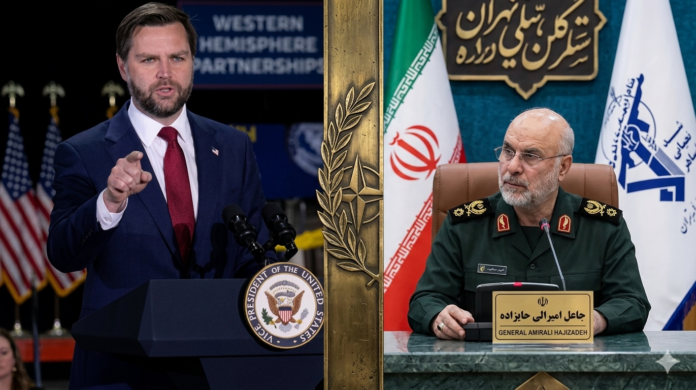

Islamabad Set for Key Talks as JD Vance and Iran’s Speaker Likely to Meet Friday
Islamabad is emerging as a focal point of global diplomacy as it prepares to host high-level negotiations between representatives of the United States and Iran. The anticipated meeting between US Vice President JD Vance and Iran’s parliamentary speaker is being viewed as a critical step toward easing long-standing tensions between the two countries. The talks come at a time when geopolitical uncertainty has been a dominant concern for global markets and regional stability.
The expected engagement reflects a renewed effort to create dialogue channels and explore possible solutions to decades of strained relations. With Pakistan playing a mediating role, the meeting is seen as a significant diplomatic breakthrough that could reshape the trajectory of international relations in the region.
A Strategic Diplomatic Breakthrough in Islamabad
The decision to hold talks in Islamabad highlights the growing importance of neutral venues in facilitating sensitive negotiations. Pakistan’s role in bringing both sides to the table demonstrates its increasing influence as a mediator in complex geopolitical matters.
The planned meeting follows recent developments that have reduced immediate tensions and created a window for dialogue. A temporary pause in hostilities has allowed both sides to consider diplomatic options rather than confrontation. This shift in approach is being welcomed by analysts who view dialogue as the only sustainable path toward long-term stability.
High-Level Representation Signals Serious Intent
The expected participation of senior leadership from both sides underscores the seriousness of the negotiations. High-level representation indicates that both parties are willing to engage in meaningful discussions and explore practical solutions to longstanding issues.
Such engagements at the top political level often signal a willingness to move beyond symbolic gestures and address core concerns. The presence of key decision-makers increases the likelihood of productive discussions and potential agreements that can have a lasting impact.
Focus on a Comprehensive Negotiation Framework
Iran is expected to present a detailed proposal framework during the talks, covering a wide range of critical issues. These include its nuclear program, regional security dynamics, and economic sanctions that have shaped relations for decades.
The proposed framework is anticipated to outline both political and economic aspects, aiming to address concerns on multiple fronts. By presenting a structured plan, Iran is likely seeking to create a foundation for constructive dialogue and potential compromise.
A comprehensive approach is essential in negotiations of this scale, as isolated agreements often fail to address the root causes of conflict. By tackling multiple issues simultaneously, both sides may find opportunities for balanced solutions that meet their respective interests.
Economic and Political Implications of the Talks
The outcome of these discussions could have far-reaching implications for both regional and global economies. Improved relations between the United States and Iran could lead to reduced geopolitical risk, which in turn may stabilize financial markets and energy prices.
Economic sanctions have long been a central issue in the relationship between the two countries. Any progress toward easing these restrictions could open new opportunities for trade and investment, benefiting not only the parties involved but also the broader global economy.
Politically, successful negotiations could reduce tensions in key regions and create a more stable environment for international cooperation. This would be particularly important for neighboring countries that are directly affected by regional dynamics.
Regional Stability and Security Considerations
The talks in Islamabad are not just about bilateral relations; they also carry significant implications for regional stability. Issues such as security arrangements and strategic influence are expected to be central to the discussions.
A constructive outcome could help de-escalate tensions in sensitive areas and promote a more balanced regional order. This would contribute to reducing the risk of conflict and enhancing cooperation among neighboring states.
The involvement of a neutral mediator adds credibility to the process, increasing the chances of achieving meaningful progress. By providing a platform for dialogue, Islamabad is helping to bridge gaps and foster understanding between opposing sides.
Challenges and Expectations from the Negotiations
Despite the optimism surrounding the talks, several challenges remain. Decades of mistrust and conflicting interests cannot be resolved overnight. Both sides will need to demonstrate flexibility and a willingness to compromise in order to achieve tangible results.
Expectations are high, but so are the complexities involved. Negotiators will need to address sensitive issues carefully, ensuring that any agreements are sustainable and mutually beneficial. Transparency and clear communication will be essential in building trust and maintaining momentum.
Observers are cautiously optimistic, recognizing that even incremental progress can pave the way for more comprehensive agreements in the future.
Pakistan’s Role as a Diplomatic Facilitator
Pakistan’s role in organizing and hosting the talks highlights its strategic importance in regional diplomacy. By facilitating dialogue between major global players, the country is positioning itself as a key contributor to peace and stability.
This role not only enhances Pakistan’s international standing but also demonstrates its commitment to promoting constructive engagement. Hosting such high-profile negotiations reflects confidence in its ability to provide a neutral and secure environment for dialogue.
Global Attention on Islamabad Talks
The upcoming meeting has captured the attention of the international community. Governments, investors, and analysts are closely monitoring developments, recognizing the potential impact of the talks on global stability.
Financial markets, in particular, are sensitive to geopolitical developments. Positive outcomes could boost investor confidence, while any setbacks may lead to renewed uncertainty. The stakes are high, making the outcome of these discussions critically important.
Conclusion
The anticipated meeting in Islamabad represents a pivotal moment in international diplomacy. With high-level participation and a comprehensive agenda, the talks have the potential to address long-standing issues and pave the way for improved relations.
While challenges remain, the willingness of both sides to engage in dialogue is a positive sign. If successful, the negotiations could contribute to regional stability, economic growth, and a more cooperative global environment.
As the world watches closely, Islamabad stands at the center of a significant diplomatic effort that could shape the future of international relations.
Read More
KIBOR Sees Broad Decline Following Calmer Outlook on War Developments