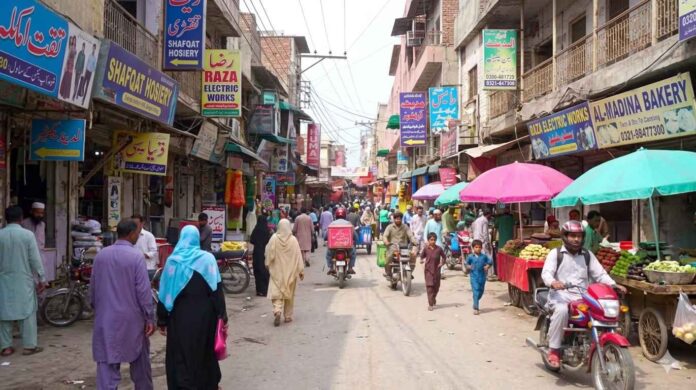

Government Relaxes Market Timing Restrictions Across Pakistan
The federal government has officially relaxed restrictions on commercial operating hours, providing major relief to businesses, retailers, traders, restaurants, and shopping centers across Pakistan. Under the latest decision, markets and a wide range of commercial sectors will now be allowed to remain open seven days a week until May 31, 2026.
The move comes as part of efforts to support business activity, improve commercial flexibility, and ease operational limitations previously imposed on markets and retail sectors. The decision is expected to provide a significant boost to economic activity by allowing businesses to operate with greater convenience and fewer timing restrictions.
The revised policy applies immediately and covers a broad range of commercial establishments, including shops, bazaars, shopping malls, departmental stores, bakeries, grocery stores, tandoors, and restaurants.
The relaxation of operating hours is likely to benefit both businesses and consumers by extending commercial activity, improving shopping convenience, and increasing opportunities for retail sales during evening hours and weekends.
Commercial Sectors Receive Major Operational Relief
The latest government decision effectively removes earlier closure timing restrictions that had limited business operations in many commercial areas.
Under the revised framework, businesses across multiple sectors now have greater operational flexibility throughout the week. Markets and retail centers can continue serving customers without being constrained by earlier mandatory closure schedules.
For traders and retailers, the move is being viewed as a major relief measure at a time when businesses continue facing economic challenges, inflationary pressures, higher utility costs, and changing consumer spending patterns.
Extended operating hours may allow businesses to improve sales volumes, attract more customers, and recover lost commercial activity that had been affected by previous restrictions.
The retail sector in particular is expected to benefit significantly because consumer footfall in shopping areas often increases during evening hours after office timings and during weekends.
Shops, Markets, and Shopping Malls Included in Relaxation
According to the latest notification, the relaxation applies broadly to commercial and retail sectors across the country.
All shops, markets, bazaars, departmental stores, and shopping malls have been exempted from previously imposed closure timing restrictions.
The inclusion of shopping malls and large commercial centers is especially important because these locations typically experience peak customer traffic during evenings and weekends.
Retail businesses operating inside malls often depend heavily on extended evening shopping hours for customer engagement and sales generation.
The decision is therefore expected to improve business activity for retailers, clothing brands, electronics stores, footwear outlets, cosmetics businesses, and various other commercial operations located within major shopping centers.
Traditional markets and bazaars are also likely to benefit from increased customer movement as shoppers gain greater flexibility regarding shopping hours.
Restaurants and Food Businesses Also Receive Exemption
The government has additionally extended the relaxation to food-related businesses including restaurants, bakeries, tandoors, and grocery stores.
Food businesses are among the sectors most directly affected by operating hour restrictions because customer demand often remains high during late evening hours.
Restaurants in particular rely heavily on nighttime business activity, family dining, weekend gatherings, and evening consumer traffic.
Extended operational flexibility may therefore help restaurants and food outlets improve revenues and customer service capacity.
Bakeries and tandoors also play an important role in daily household consumption patterns, especially in urban areas where consumers often purchase fresh food items during evening hours.
Grocery stores may similarly benefit from longer customer access and improved convenience for shoppers managing busy work schedules.
Decision Expected to Boost Economic Activity
Economic analysts believe the relaxation of commercial operating restrictions could help stimulate broader business activity across multiple sectors.
Longer market hours typically increase consumer engagement, retail spending, transportation activity, and commercial circulation within urban economies.
The retail sector remains one of the largest contributors to employment and small business activity in Pakistan, with millions of people directly or indirectly connected to markets, shops, restaurants, and commercial centers.
By allowing businesses to remain open longer, authorities may help improve cash flow, increase sales opportunities, and support economic momentum within local markets.
The move could also benefit daily wage workers, shop employees, transport operators, food delivery services, security staff, and various other workers connected to commercial operations.
Extended business activity often creates additional employment opportunities and higher commercial turnover within local economies.
Business Community Likely to Welcome the Decision
The relaxation of market timings is expected to be welcomed by traders, retailers, restaurant owners, and business associations that had previously raised concerns regarding operational limitations.
Many businesses argued that earlier closure restrictions affected customer traffic, reduced sales opportunities, and created operational challenges during periods of economic slowdown.
Retailers particularly emphasized that evening shopping hours are often among the busiest periods for commercial activity, especially in major urban centers.
Extended operating flexibility may now allow businesses to better align working hours with consumer demand and shopping patterns.
The decision may also help businesses recover from reduced profitability caused by inflation, rising operational costs, higher electricity charges, and weaker consumer purchasing power.
For small businesses and independent retailers, longer operating hours can play an important role in improving daily revenue generation.
Consumers to Benefit From Greater Shopping Flexibility
The easing of restrictions is not only expected to help businesses but may also improve convenience for consumers.
Longer operating hours provide shoppers with greater flexibility regarding when they can visit markets, purchase groceries, dine out, or complete retail shopping.
Many working individuals often struggle to complete shopping during standard daytime hours due to office schedules and transportation challenges.
Extended market timings may therefore reduce congestion during peak shopping hours and improve overall consumer convenience.
Families and consumers are also likely to benefit from increased flexibility during weekends, evenings, and late-night shopping periods.
The retail experience in major commercial centers may become more active and accessible as businesses adjust to the relaxed timing framework.
Economic Challenges Continue Affecting Retail Sector
The decision comes at a time when Pakistan’s retail and commercial sectors continue facing multiple economic challenges.
High inflation, rising utility costs, fuel price increases, reduced consumer purchasing power, and broader economic uncertainty have placed pressure on businesses across the country.
Many retailers have experienced slowing sales growth due to weakened household spending and rising operational expenses.
Electricity tariffs, fuel costs, rent expenses, and supply chain pressures have significantly increased business costs in recent years.
Restaurants and food businesses have similarly faced rising prices for ingredients, transportation, energy, and labor.
Against this backdrop, the easing of operational restrictions may provide businesses with an opportunity to partially offset financial pressures by increasing customer access and extending sales hours.
Retail Sector Remains Important for Pakistan’s Economy
The retail and wholesale sectors play a central role within Pakistan’s economy and employment structure.
Millions of people across urban and rural areas depend directly on commercial markets, retail shops, food businesses, and trading activities for income and employment.
Commercial markets also contribute significantly to economic circulation by supporting transportation services, manufacturing supply chains, wholesalers, distributors, and service providers.
Shopping malls and commercial centers have become increasingly important components of urban economic activity, particularly in large cities where organized retail continues expanding.
The government’s decision to relax timing restrictions reflects recognition of the importance of maintaining commercial activity and supporting economic momentum.
Evening Business Activity Crucial for Urban Markets
In many major cities across Pakistan, evening hours represent one of the busiest periods for commercial activity.
Consumers often prefer shopping after work hours due to daytime heat, office schedules, and traffic conditions.
Restaurants, cafes, shopping malls, and retail markets typically experience increased footfall during evening and nighttime hours, especially on weekends.
Restrictive closure timings can therefore significantly affect business revenues and reduce commercial efficiency.
By easing restrictions, authorities may help restore stronger customer activity during these important trading periods.
Nighttime commercial activity also contributes to transportation demand, food delivery services, entertainment spending, and broader urban economic movement.
Temporary Relaxation Remains Effective Until May 31
According to the official notification, the relaxation of market operating hours will remain effective until May 31, 2026.
The temporary nature of the decision means authorities may later review commercial activity trends, energy consumption patterns, security considerations, and economic conditions before deciding whether to extend or revise the policy further.
Businesses are expected to take advantage of the relaxed framework during the current implementation period by increasing operational flexibility and extending customer service hours.
The coming weeks may therefore see increased commercial activity across shopping areas, food markets, and retail centers nationwide.
Government Aims to Balance Economic Activity and Regulation
The latest decision highlights the government’s broader effort to balance economic activity with regulatory management.
Previous operating restrictions were introduced partly to manage energy consumption and administrative considerations. However, concerns regarding business activity and commercial slowdown likely contributed to the decision to ease the restrictions temporarily.
Authorities now appear focused on supporting market activity and reducing operational burdens on businesses while monitoring broader economic conditions.
The policy adjustment may also reflect increasing recognition that strong commercial activity is important for employment, tax revenues, consumer confidence, and economic stability.
Commercial Markets Expected to See Higher Footfall
With the removal of closure timing restrictions, commercial markets and shopping centers may experience higher customer footfall during evenings and weekends.
Retailers are likely to introduce promotional campaigns, sales offers, and extended customer services to capitalize on increased shopping flexibility.
Restaurants and food outlets may similarly benefit from stronger nighttime demand as consumers gain greater freedom to dine out and socialize during extended hours.
The hospitality and retail sectors are therefore expected to see positive short-term momentum following the relaxation announcement.
Businesses Hope for Longer-Term Stability
While the current relaxation remains temporary, many businesses are likely hoping for longer-term stability regarding commercial operating policies.
Frequent changes in timing restrictions can create operational uncertainty for retailers, restaurants, employees, and supply chains.
Business owners generally prefer predictable regulatory environments that allow long-term planning regarding staffing, inventory management, customer engagement, and operational schedules.
The success of the current relaxation period may influence future decisions regarding permanent or extended flexibility for commercial operating hours.
Market Timing Relaxation Seen as Positive Economic Signal
Overall, the government’s decision to ease market operating restrictions is being viewed as a positive signal for Pakistan’s retail and commercial sectors.
The move is expected to improve business confidence, support consumer convenience, and stimulate commercial activity during a period of ongoing economic pressure.
As markets, restaurants, grocery stores, and shopping centers resume extended operations, businesses across the country will likely seek to maximize the opportunity created by the temporary relaxation framework.
The coming weeks will determine how effectively the retail and commercial sectors utilize the extended operating flexibility to strengthen economic activity and improve business performance.
Read More
Fasset Raises $51 Million to Accelerate Stablecoin Neobanking Expansion