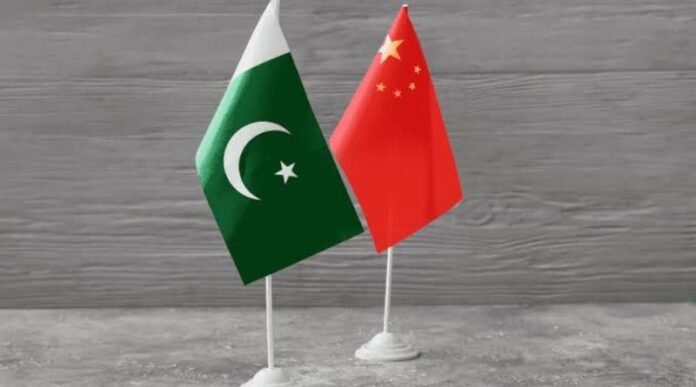

Pakistan has asked China to speed up the refinancing of a $1.3 billion commercial loan as the government works to maintain the country’s foreign exchange reserves and manage its external debt payments. Pakistani officials are in talks with Chinese authorities and want the refinancing process completed as soon as possible.
The request comes after Pakistan made large external debt payments in July. According to Ministry of Finance sources, the country paid around $2.2 billion in external debt during the month. About $1.3 billion of this amount was used to repay Chinese commercial loans.
Now, Pakistan wants the same amount to be refinanced by Chinese lenders. Officials expect the money to return to the country once the remaining terms and conditions are completed. The funds are expected to provide some relief to Pakistan’s foreign exchange reserves, which are closely watched because the country needs enough dollars to meet its external payment needs.
Pakistan Wants the Process Completed Quickly
The government has formally asked China to fast-track the refinancing of the $1.3 billion loan. Pakistani and Chinese officials are holding discussions to settle the remaining details.
Government sources say the two sides are working to complete the process at the earliest possible time. The final rules, terms and conditions are expected to be agreed soon. Once the process is completed, the refinanced amount could be released during the current month.
For Pakistan, the timing is important. When a large loan is repaid, the country’s foreign exchange reserves can come under pressure if the money is not quickly replaced. Refinancing helps reduce this pressure because the old loan is effectively replaced with new financing instead of requiring Pakistan to permanently lose that amount from its reserves.
This is why Islamabad is keen to see the Chinese refinancing completed without unnecessary delay.
Why the $1.3 Billion Matters
Pakistan has been working for years to improve its foreign exchange position and avoid pressure on its reserves. The country needs foreign currency to pay for imports, repay loans, meet interest payments and manage other international obligations.
A payment of $1.3 billion is significant for Pakistan. The amount is large enough to affect the country’s reserve position, particularly when it comes alongside other debt payments.
In July alone, Pakistan paid about $2.2 billion in external debt obligations. The $1.3 billion Chinese commercial loan was a major part of that payment. Officials therefore want the money to come back through refinancing so that the impact on reserves can be limited.
The government’s focus on refinancing also shows how important Chinese financing has become for Pakistan’s external financial management.
China Remains an Important Financial Partner
China has been one of Pakistan’s major financial partners for many years. Chinese banks have provided commercial loans, while China has also supported Pakistan through various other forms of financing.
In recent years, Pakistan has repeatedly relied on loan rollovers and refinancing arrangements with China to manage its external payment needs.
Such support has helped Pakistan avoid sudden pressure on its foreign exchange reserves. Instead of paying the full amount and losing the money from its reserves for a long period, the country can sometimes arrange for loans to be extended or refinanced.
China has previously rolled over major loans for Pakistan. For example, in February 2024, China rolled over a $2 billion loan that was due for repayment, giving Pakistan additional time to manage the payment.
More recently, China also refinanced a $1.3 billion commercial loan in 2025 after Pakistan had repaid the amount, according to reports at the time.
These arrangements are important because Pakistan continues to face large external financing requirements.
July Debt Payments Put Focus on Reserves
The latest request for refinancing follows Pakistan’s heavy debt payments in July.
The country paid around $2.2 billion in external debt during the month. This included the $1.3 billion payment to Chinese lenders. Such large payments can put pressure on foreign exchange reserves, especially when several obligations fall due around the same period.
State Bank of Pakistan Governor Jameel Ahmad also said that Pakistan had repaid $2.2 billion in external debt during July. He noted that the country’s overall external debt servicing requirement had fallen from $26.5 billion to $21.5 billion, while about $3.5 billion was expected to be paid in interest.
The figures show why the government is paying close attention to refinancing and other sources of external financing.
For Pakistan, maintaining a healthy reserve position is not only about having money in the central bank. Strong reserves also help the country meet international payments with greater confidence and reduce concerns about the ability to pay foreign creditors.
What Is Loan Refinancing?
Loan refinancing simply means replacing an existing loan with new financing.
In Pakistan’s case, the government has already repaid the $1.3 billion Chinese commercial loan. It is now seeking new financing from China to replace the amount that was paid.
This does not mean Pakistan is receiving free money. The refinanced amount remains a loan and will have to be managed under the new terms agreed between the lenders and Pakistan.
However, refinancing can provide important breathing space. It can help a country avoid losing a large amount of foreign currency from its reserves for a long period.
For a country facing high external debt payments, this can be an important part of financial planning.
Government Wants Better Reserve Management
Pakistan’s economic managers have been trying to improve the country’s financial position and build stronger foreign exchange reserves.
The government has also been working with international lenders and friendly countries to manage its financing needs. Support from China, Saudi Arabia and other partners has played a role in helping Pakistan meet its external obligations.
At the same time, Pakistan has been following reforms under its International Monetary Fund programme. These reforms are aimed at improving economic stability, increasing government revenue and reducing some of the financial problems that have affected the country in recent years.
The IMF’s latest review documents also show that Pakistan continues to depend on the rollover or refinancing of short-term bilateral financing as part of its overall external financing plan.
This makes the timely refinancing of Chinese loans even more important for the country’s financial planning.
Timing Is Important for Pakistan
The government’s decision to ask China to speed up the process is mainly linked to timing.
Pakistan has already made the $1.3 billion payment. Until the refinancing amount comes back, the country has to manage the effect of that payment on its reserves.
Officials therefore want the new financing to be released as quickly as possible after the remaining conditions are settled.
Sources have indicated that discussions between Pakistani and Chinese authorities are continuing. Once the final arrangements are completed, the funds are expected to be disbursed.
A quick inflow would give Pakistan additional room to manage other payments and protect its reserve position.
It Could Give Temporary Relief
The refinancing would provide relief, but it would not solve Pakistan’s larger debt problems on its own.
Pakistan still has major external financing needs. The country has to repay old loans, pay interest and continue meeting its import and other foreign currency requirements.
Loan refinancing can help with short-term pressure, but it does not remove the debt. The government will eventually have to repay the new financing as well.
This is why economists often stress the need for long-term reforms alongside external borrowing. Pakistan needs to increase exports, attract more investment, improve tax collection and reduce its dependence on borrowing to meet regular financial needs.
Still, refinancing can be useful when a country is trying to manage its cash flow and avoid sudden pressure on foreign exchange reserves.
Pakistan’s Dependence on External Financing
Pakistan has faced repeated pressure on its external account over the past several years. Weak foreign exchange earnings, high import bills and large debt payments have created challenges for the economy.
The country has therefore depended on support from international institutions and friendly countries.
China has been especially important because of its large role in Pakistan’s external financing. Chinese loans and rollovers have helped Islamabad manage several major payment deadlines.
In the last fiscal year, Pakistan secured billions of dollars in foreign loans, much of which came through rollovers from countries such as China and Saudi Arabia.
While this support helps Pakistan manage immediate financial pressure, it also highlights the need for the country to strengthen its own ability to generate foreign currency.
Broader Economic Impact
The successful refinancing of the $1.3 billion loan could have a positive effect on market confidence.
When investors and financial institutions see that Pakistan has enough financing to meet its external obligations, concerns about a possible payment crisis can decrease.
A stronger reserve position can also support stability in the foreign exchange market. It gives the central bank more room to manage external payments and helps reduce sudden pressure on the Pakistani rupee.
However, the impact of one refinancing deal should not be overstated. Pakistan’s financial stability depends on several factors, including exports, remittances, foreign investment, energy prices, debt repayments and international financing.
The government will therefore need to continue working on all of these areas.
China’s Role Remains Important
The latest request once again shows the importance of Pakistan-China financial relations.
China has supported Pakistan during difficult economic periods by extending or refinancing loans. These arrangements have helped Islamabad manage some of its biggest external payment challenges.
For Pakistan, maintaining good financial relations with Beijing is therefore important.
At the same time, the government needs to make sure that future financing is managed carefully. New borrowing should ideally support economic growth and help the country generate enough income to repay its obligations.
The long-term goal should be to move from repeated emergency financing towards a stronger economy that can meet its external needs through exports, investment and sustainable growth.
What Happens Next?
The immediate focus is on completing negotiations between Pakistan and Chinese authorities.
Officials are expected to finalise the remaining terms and conditions for the $1.3 billion refinancing. After that, the funds could be disbursed to Pakistan.
If the process is completed quickly, the inflow would help replace the amount recently paid to Chinese lenders and provide support to the country’s foreign exchange reserves.
The government will also continue to monitor its other external payment obligations. Managing these payments without putting too much pressure on reserves will remain a key challenge for economic policymakers.
A Short-Term Solution With a Bigger Message
Pakistan’s request to China for fast refinancing of $1.3 billion is more than a routine banking arrangement. It reflects the pressure that large external debt payments can place on the country’s finances.
The government has already paid the Chinese commercial loan and now wants the money to be refinanced quickly. The expected inflow could give the foreign exchange reserves some much-needed support after the country paid around $2.2 billion in external debt during July.
For the short term, the refinancing could make it easier for Pakistan to manage its external payments. It could also provide some comfort to financial markets and reduce pressure on reserves.
But the larger challenge remains. Pakistan needs to reduce its dependence on repeated loan rollovers and refinancing. Building stronger exports, increasing investment, improving tax collection and keeping government spending under control will be important for long-term stability.
For now, however, Islamabad is focused on one immediate goal: getting the $1.3 billion refinancing from China completed as quickly as possible. If the remaining conditions are settled soon and the funds are released, the move will provide useful financial support at a time when Pakistan continues to carefully manage its foreign exchange position.
Read Also;: check