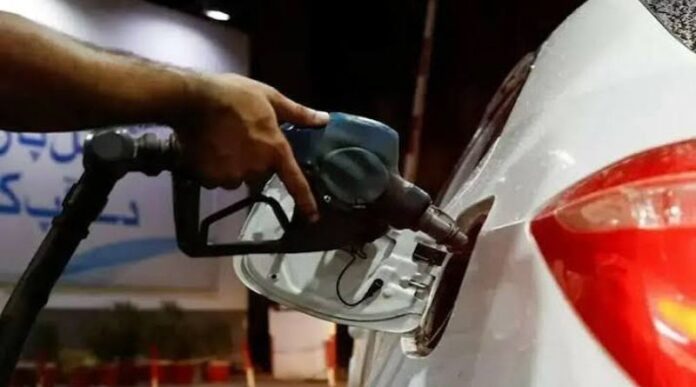

The federal government has indicated that it may bring back a targeted fuel subsidy if tensions in the Middle East continue and international oil prices remain high. The possible move is aimed at protecting ordinary Pakistanis from another major increase in petrol and diesel prices while allowing the government to continue its plan for market-based fuel pricing.
Petroleum Minister Ali Pervaiz Malik recently said that the government could restart the targeted subsidy system within a few days if the situation in the region does not improve. The government has also suggested that provincial governments could help finance the scheme.
The announcement has come at a time when Pakistan is facing pressure from rising global oil prices, limited financial resources and growing concerns about the impact of expensive fuel on households, transporters, farmers and businesses.
Why the Government Is Considering the Subsidy
Pakistan depends heavily on imported petroleum products. This means that when international oil prices rise, the impact is quickly felt in the local market. Higher fuel prices increase transportation costs and can also push up the prices of food and other daily-use items.
The latest pressure is linked to continued tensions in the Middle East and the effect of the US-Iran conflict on international oil markets. Disruptions around important shipping routes have created uncertainty about the supply and cost of crude oil.
For Pakistan, this is a serious issue because the country has limited room to absorb large increases in fuel costs. The government is also working under an International Monetary Fund programme, which puts pressure on the country to manage public spending carefully.
In this situation, officials are trying to find a balance between two difficult choices. On one side, the government wants to avoid putting the full burden of higher international oil prices on ordinary people. On the other side, it cannot continue paying a large subsidy for everyone because public funds are already under pressure.
A targeted subsidy offers a middle path. Instead of reducing the price for every fuel consumer, the government can provide support to selected groups that are considered more vulnerable.
Earlier Targeted Subsidy Programme
Pakistan has already used a targeted fuel subsidy system to provide relief during periods of high fuel prices. According to the petroleum minister, the federal government initially allocated around Rs130 billion for fuel subsidies before provincial governments were also brought into the arrangement.
The basic idea behind the programme was simple. Rather than giving a subsidy to every person who buys petrol or diesel, financial support would be directed towards people who need it the most.
This approach can help reduce the cost for lower-income citizens without requiring the government to spend huge amounts of money on a subsidy for the entire population.
The government is now considering bringing back this model if the international oil situation remains difficult.
Relief for Common Pakistanis
Fuel prices have a direct effect on the daily lives of people across Pakistan. A rise in petrol prices can make travelling to work, school or markets more expensive. It can also increase the operating costs of motorcycles, cars, rickshaws and public transport.
For families that already have tight monthly budgets, even a small increase in transport expenses can create serious problems.
The situation is even more difficult for people who depend on their vehicles for earning their income. Rickshaw drivers, delivery workers, small transport operators and other workers can face higher expenses when petrol becomes expensive.
Farmers are also affected by diesel prices because tractors, tube wells, harvesters and other agricultural equipment often depend on diesel. When diesel prices rise, the cost of farming can increase as well.
This can eventually affect food prices because higher farming and transportation costs are often passed on to consumers.
A targeted fuel subsidy could therefore provide relief to groups that face the greatest pressure from higher fuel costs.
Government Wants to Avoid a Universal Subsidy
The government has made it clear that it does not want to return to a broad fuel subsidy system that benefits everyone regardless of their income.
A universal subsidy may appear attractive because it keeps fuel prices lower for all consumers. However, it can place a heavy burden on the national budget.
Wealthier consumers who own multiple vehicles can also receive more benefit from such a system simply because they use more fuel. At the same time, people with very low incomes may receive little benefit if they do not own cars or use large amounts of fuel.
A targeted system is designed to avoid this problem by sending support to specific groups.
This means the government can spend a smaller amount while still helping people who are most affected by expensive fuel.
Petroleum Pricing Reform Will Continue
Even while discussing a possible subsidy, the government has said it remains committed to changing the way petroleum prices are determined.
Petroleum Minister Ali Pervaiz Malik has defended the government’s daily pricing system and the wider plan to move towards petroleum price deregulation. Under this approach, fuel prices are linked more closely to international market conditions instead of being kept artificially low by the government.
The minister has argued that the daily pricing system can help prevent sudden and very large price shocks. Instead of waiting for a weekly or fortnightly revision, changes can be passed on more gradually.
The government believes this will make the pricing system more transparent and allow consumers and businesses to better understand how international oil prices affect local fuel rates.
However, the plan has also faced criticism, particularly from people who are worried that frequent price changes could make it harder for businesses and households to plan their expenses.
The Problem of Limited Government Funds
One of the biggest challenges for the government is the shortage of financial space.
Pakistan cannot simply keep fuel prices low by paying the difference from the national budget. Every rupee spent on a fuel subsidy is money that cannot be used elsewhere.
The government needs funds for schools, hospitals, salaries, development projects, debt payments and many other areas.
The petroleum minister has also pointed out that Pakistan is working under an IMF programme and has limited financial resources. He said that the government ultimately has to recover the actual cost of fuel from consumers. Otherwise, the cost would have to be carried by another part of the economy or the government budget.
This is why officials are talking about a targeted system rather than a permanent general subsidy.
Middle East Situation Remains Important
The future of the subsidy is closely linked to developments in the Middle East.
If tensions remain high and international oil prices continue to rise, Pakistan could face another difficult period for fuel costs. The country imports much of its petroleum, so international price increases can quickly create pressure on the local market.
The Strait of Hormuz is especially important because it is a major route for global oil shipments. Any disruption in the region can affect international supply and prices.
Pakistan therefore has to closely monitor international developments while also protecting its own fuel supplies and foreign exchange position.
If global oil prices come down, the need for another major subsidy could become smaller. But if prices remain high for a longer period, the government may have little choice but to provide targeted support to vulnerable consumers.
Provinces May Help Finance the Scheme
Another important part of the government’s plan is the possible involvement of provincial governments.
According to the petroleum minister, the provinces were previously brought into the targeted subsidy arrangement after the federal government started the programme.
Sharing the cost between the federal and provincial governments could make the programme easier to manage.
It would also spread the financial responsibility instead of placing the entire burden on the federal budget.
However, the exact structure of any new programme has not been fully explained. The government would need to decide which groups qualify, how payments would be made and how the system would prevent misuse.
Technology Could Improve Targeting
A major concern with subsidies is making sure the money reaches the right people.
If a subsidy is given without proper checks, there can be a risk of fraud, duplicate claims or support going to people who do not actually need it.
Technology can help solve some of these problems. Digital records and identity-based systems can make it easier to identify eligible citizens and monitor payments.
A properly designed digital system could also reduce the chances of middlemen taking advantage of the programme.
For ordinary citizens, the most important thing would be a simple system that does not require long paperwork or repeated visits to government offices.
Impact on Transport and Agriculture
The benefits of targeted fuel relief could be particularly important for the transport and agriculture sectors.
Transport costs are closely linked to fuel prices. When petrol and diesel become more expensive, transport operators may increase fares or delivery charges.
This can affect the price of vegetables, fruits, groceries and other products because goods need to be moved from farms and factories to markets.
Agriculture also depends heavily on fuel. Diesel is widely used for farm machinery and other activities. Higher diesel costs can increase the overall cost of producing crops.
Helping selected farmers and transport workers could therefore have an effect beyond the individual receiving the subsidy. It could also help reduce some of the pressure on food and transport prices.
What Consumers Can Expect
For ordinary consumers, the possible return of the targeted subsidy is a sign that the government understands the pressure created by high fuel prices.
However, it should not be seen as a promise that petrol and diesel will become cheap for everyone.
The government’s broader policy remains focused on market-based fuel pricing. This means international oil prices will continue to play an important role in determining what consumers pay.
The subsidy, if introduced, would mainly be designed to protect selected vulnerable groups from the worst effects of price increases.
This is different from freezing fuel prices for the entire country.
A Difficult Balance for the Government
The government is facing a difficult task. It needs to protect people from rising living costs without creating another major financial problem for the country.
Keeping fuel prices artificially low may provide immediate relief, but it can also create a large bill for the government. On the other hand, passing the full increase to consumers can hurt families, workers and businesses.
A targeted subsidy attempts to balance these two concerns.
The success of such a programme will depend on how well it is designed and managed. If the support reaches the right people quickly, it can provide meaningful relief. If the system is slow, complicated or poorly monitored, its benefits may be limited.
Final Thoughts
The government’s latest statement shows that a targeted fuel subsidy could return if Middle East tensions continue and global oil prices remain under pressure.
The possible programme would focus on protecting vulnerable citizens rather than reducing fuel prices for everyone. Provincial governments may also help fund the scheme, while the federal government continues with its broader plan for petroleum price reforms.
For Pakistan, the main challenge is finding a practical balance between consumer relief and financial responsibility. The country cannot ignore the impact of expensive fuel on ordinary people, but it also cannot afford unlimited subsidies.
If introduced carefully, a targeted subsidy could give much-needed support to people who depend on fuel for transport, farming and daily work. At the same time, continuing with transparent fuel pricing could help Pakistan adjust more smoothly to changes in international oil markets.
Ultimately, the biggest relief for consumers would come from lower global oil prices and greater stability in the region. Until that happens, the government may have to use targeted support to reduce the pressure on those who are least able to handle another increase in fuel costs.
Read Also:check