
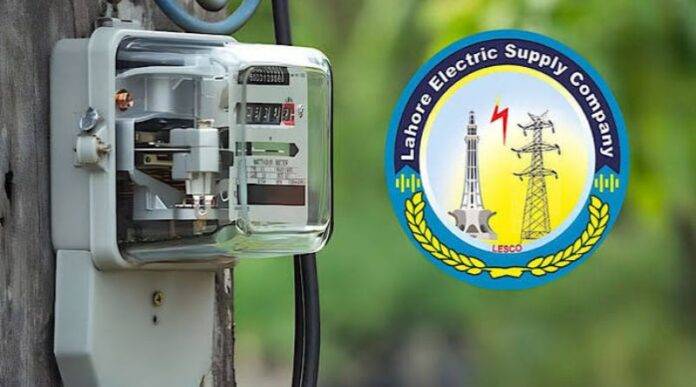

Pakistan has made important progress in the use of modern technology in its electricity system, with more than 21 lakh smart electricity meters now installed across the country. The move is part of the government’s wider plan to improve the power distribution system, reduce electricity theft, make billing more accurate, and lower the problems caused by manual meter reading.
According to information shared with the Senate, a total of 2,125,296 smart meters have been installed by electricity distribution companies across Pakistan. The figures show that the smart metering system is now expanding in many parts of the country, although some distribution companies have moved faster than others.
The introduction of smart meters is being seen as an important step towards a more modern, digital, and transparent electricity system. These meters can provide better information about electricity use and reduce the need for manual meter reading. They can also help power companies find technical problems, detect unusual electricity use, and improve the recovery of electricity bills.
More Than 21 Lakh Smart Meters Now Installed
The Ministry of Energy informed the Senate that more than 2.1 million smart electricity meters have been installed across the country. This is a major increase compared with the number of smart meters installed in earlier years.
The largest number of smart meters has been installed by the Lahore Electric Supply Company, commonly known as LESCO. According to the official figures shared with the Senate, LESCO has installed 1,153,556 smart meters.
This means that LESCO alone has installed more than half of the total smart meters currently working across Pakistan. The high number reflects the large consumer base in its service area and the fast progress being made in moving towards a modern electricity system.
The Gujranwala Electric Power Company, or GEPCO, is also among the leading distribution companies in smart meter installation. GEPCO has installed 348,135 smart meters.
The Multan Electric Power Company, or MEPCO, has installed 229,719 smart meters. The growing number of smart meters in the MEPCO region is especially important because the company serves a large area and has millions of electricity consumers.
Other distribution companies have also started expanding the use of smart metering technology. The Islamabad Electric Supply Company has installed 119,372 smart meters, while the Faisalabad Electric Supply Company has installed 111,948 units.
Smart Meter Installation in Other Areas
The smart meter programme is not limited to Punjab. Electricity distribution companies in Khyber Pakhtunkhwa, Sindh, Balochistan, and other areas are also installing these modern meters.
The Peshawar Electric Supply Company has installed 60,685 smart meters. K-Electric has installed 50,599 smart meters, while the Hyderabad Electric Supply Company has installed 19,620.
The Sukkur Electric Power Company has installed 13,432 smart meters, while the Quetta Electric Supply Company has installed 9,194.
The Hazara Electric Supply Company has installed 7,659 smart meters. The Tribal Electric Supply Company has installed the lowest number among the companies listed, with 1,377 smart meters.
Although the number of smart meters is different in each region, the figures show that Pakistan’s electricity system is slowly moving away from the traditional method of meter reading. The government wants to use more digital technology to improve the overall performance of the power sector.
Why Pakistan Is Moving Towards Smart Meters
Pakistan has faced many problems in its electricity sector over the years. These include electricity theft, inaccurate meter readings, billing complaints, line losses, and poor recovery of electricity bills.
Traditional electricity meters require staff to physically visit homes, shops, offices, and other buildings to record electricity consumption. This process can take time and may sometimes lead to human errors or disputes.
Smart meters can reduce these problems because they can send electricity data automatically. This means that the power company can collect important information without depending completely on manual meter reading.
The government believes that the use of modern meters can improve transparency in the electricity system. When meter readings are collected through a digital system, there may be fewer chances of mistakes caused by manual work.
Smart meters can also provide useful information about how electricity is being used. This can help distribution companies manage their networks better and identify areas where unusual activity or technical problems are taking place.
The Power Division has previously said that smart meters can improve billing accuracy, reduce human involvement, help consumers monitor their electricity use, and allow faster identification of faults and outages.
How Smart Meters Can Help Reduce Electricity Theft
One of the main reasons behind the expansion of smart meters is the effort to reduce electricity theft.
Electricity theft has remained a serious issue for Pakistan’s power sector. When electricity is stolen or when there are illegal connections, power distribution companies suffer financial losses. These losses can also affect the overall cost of electricity for paying consumers.
Smart meters can help detect unusual changes in electricity consumption. Modern metering systems can generate alerts when they find suspicious activity or events that may point towards meter tampering or other problems.
This does not mean that smart meters alone can completely end electricity theft. However, they can provide better data and help power companies identify possible issues more quickly.
Officials have said that the wider use of smart metering technology can also improve the recovery of electricity bills. Better monitoring and accurate data can help distribution companies take faster action where payments are not being made or where there are technical problems.
The Senate was informed that smart meters have helped in efforts to control electricity theft and deal with technical issues, while also improving the recovery of distribution companies.
Better Accuracy in Electricity Bills
Electricity bills are one of the biggest concerns for consumers in Pakistan. Complaints about incorrect readings and overbilling are often reported by consumers in different parts of the country.
Smart meters can help improve the accuracy of electricity readings because the information can be collected automatically and remotely. This reduces the dependence on a person physically visiting a location and writing down the meter reading.
The use of automated readings can also make it easier for consumers and electricity companies to check electricity consumption.
In a modern smart metering system, consumers may also be able to monitor their electricity use through digital tools and mobile applications. This can help families and businesses understand how much electricity they are using.
For example, consumers may be able to identify periods when electricity consumption is higher. This can encourage them to switch off unnecessary appliances and manage their electricity use more carefully.
The government has said that reducing manual involvement in meter reading can improve accuracy and help build consumer confidence in the billing system. Smart meters are also expected to support better complaint handling and faster service.
LESCO Leads the Smart Meter Programme
Among all the electricity distribution companies, LESCO has installed the highest number of smart meters so far.
With more than 1.15 million smart meters installed, LESCO has made the largest contribution to the total number across Pakistan. The company serves a large number of electricity consumers in and around Lahore and other areas under its network.
The large number of installations shows the importance of the smart metering project in major urban areas where electricity demand is high.
Other companies are also expected to increase the number of smart meters as Pakistan continues its move towards a digital power distribution network.
GEPCO and MEPCO have also installed a significant number of smart meters. Together, the progress made by these companies shows that the use of advanced electricity metering technology is expanding across major parts of Punjab.
Government Plans for Wider Smart Meter Use
The government is not planning to stop at the current figure of more than 21 lakh smart meters.
Pakistan has already announced a much bigger plan for the installation of millions of additional smart meters. In April 2026, the Power Division signed an agreement with the International Finance Corporation, a member of the World Bank Group, to support preparations for the large-scale rollout of smart metering infrastructure.
The plan focuses on 10 million single-phase electricity connections. Under the proposed model, local and international investors may be involved in the installation, operation, and maintenance of the smart metering system.
The government wants to replace older systems with modern digital technology. It has also directed distribution companies to use smart meters for new electricity connections instead of issuing traditional meters.
In addition, existing three-phase meters are also being moved towards smart metering under the wider reform programme. These steps show that the government wants smart meters to become an important part of Pakistan’s future electricity system.
Lower Prices May Support Faster Installation
The cost of smart meters has been an important issue in the past. Installing millions of meters can require a large amount of investment.
The Power Division has said that efforts were made to reduce the price of smart meters through competitive procurement. According to the government, the price of smart meters was reduced significantly, which could help make the wider programme more affordable.
Lower meter prices can reduce the overall financial burden of installing smart meters on a large scale. This is important because Pakistan has millions of electricity consumers and the country still has a long way to go before most traditional meters are replaced.
The Power Division has said that smart metering can also reduce the need for manual readings and improve the way electricity companies manage their networks. The government expects the wider use of digital technology to bring long-term benefits for both consumers and distribution companies.
Benefits for Electricity Consumers
For ordinary electricity consumers, the biggest expected benefit is better control over electricity use.
A smart meter can provide more detailed information about electricity consumption. When consumers can better understand how and when they use electricity, they may be able to control unnecessary use.
The technology can also improve the accuracy of meter readings and reduce disputes linked to manual reading.
Consumers may benefit from:
- More accurate electricity readings
- Better information about electricity use
- Less dependence on manual meter reading
- Faster detection of some technical problems
- Improved billing transparency
- Better complaint handling
- Future digital and prepaid electricity options
The government also believes that smart meters can make the electricity system more convenient for consumers by allowing the use of digital services.
Benefits for Power Distribution Companies
Smart meters are also important for electricity distribution companies.
The companies can receive data remotely, which can help them monitor electricity use and manage their networks more effectively.
The technology can also help companies detect faults, unusual events, and possible meter tampering. Faster access to information may allow power companies to respond to problems in less time.
Remote meter reading can also reduce the cost and time required for manual reading. Distribution companies may be able to use the collected data to better understand electricity demand in different areas.
The Power Division has highlighted that smart metering can support remote readings, accurate billing, better network monitoring, quicker detection of outages, and faster fault restoration.
Challenges Still Remain
Despite the progress, the smart meter programme still faces challenges.
Pakistan has millions of electricity consumers, and only a small part of the total consumer base has been shifted to smart meters so far. Installing millions more meters will require major investment, proper planning, trained staff, and strong digital systems.
The technology must also be maintained properly. A smart meter system depends on communication networks, software, data systems, and technical support.
Consumers will also need clear information about how the new system works. Many people may have questions about smart meters, billing, data collection, and the replacement of traditional meters.
The government and distribution companies will need to ensure that consumers are properly informed and that complaints are handled quickly.
A Major Step Towards a Modern Power System
The installation of more than 21 lakh smart electricity meters marks an important step in Pakistan’s efforts to modernise its power sector.
LESCO has installed the highest number of smart meters, followed by GEPCO and MEPCO, while several other electricity distribution companies are also taking part in the programme.
The government hopes that wider use of smart meters will help reduce electricity theft, improve billing accuracy, increase transparency, and give consumers better information about their electricity use.
With more than 2.1 million meters already installed and a much larger national rollout planned for the future, smart metering is likely to play a growing role in Pakistan’s electricity system.
The success of the programme will depend on proper implementation, reliable technology, lower costs, consumer awareness, and the ability of distribution companies to manage the new digital system effectively.
For now, the installation of over 21 lakh smart electricity meters shows that Pakistan has started making real progress towards a more modern and technology-based power network. As more traditional meters are replaced in the coming years, smart metering could become an important tool in improving transparency and efficiency in the country’s electricity sector.
Read Also: check


