
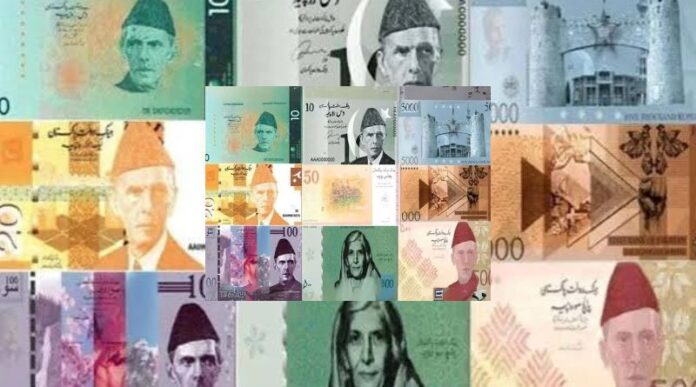

Pakistanis have been waiting for the introduction of new currency notes for quite some time. The State Bank of Pakistan (SBP) had earlier announced plans to replace the existing series of banknotes with a new and more modern design. However, the launch has taken longer than many people expected.
The delay created several questions. People wanted to know why the new notes had not yet reached banks and markets despite the announcement made earlier. Now, officials from the SBP have explained the main reasons behind the delay and given a clearer picture of the process.
The central bank says that the introduction of new currency is not a simple or quick process. It involves designing the notes, adding modern security features, getting official approval, printing large quantities and then slowly putting the new notes into circulation across the country. The latest updates also show that changes in the proposed designs and the approval process have played an important role in the delay.
The SBP has said that once the new currency designs receive the required approval and the printing process is completed, it may still take around a year for the new notes to properly enter circulation.
New Designs Were Sent Back for Changes
One of the main reasons behind the delay is that the proposed designs did not immediately receive final approval.
Earlier in May 2026, SBP Governor Jameel Ahmad said that the designs for the new currency notes had been completed and forwarded for approval. However, the federal government returned the proposed designs to the State Bank with suggestions for further changes and improvements.
This meant that the central bank had to work on the designs again before the process could move forward. The new notes cannot be printed and released without completing this official approval process.
The delay, therefore, is not because the SBP has abandoned its plan. Instead, the designs have been going through a review and approval process. The State Bank has been working on the recommended changes so that the final notes can be approved before printing begins.
Why Is Pakistan Introducing New Currency Notes?
Pakistan’s current banknote series has been in circulation for many years. The SBP has explained that it is normal for countries to introduce a new currency series after a certain period.
One major reason is security. Criminals and counterfeiters continue to find new ways to copy currency notes. Because of this, central banks regularly improve the security features of their banknotes.
The new Pakistani currency is expected to include stronger and more advanced security features. These features are meant to make fake notes more difficult to produce and easier to identify.
The SBP has previously stated that introducing a new banknote series after around 15 to 20 years is an established international practice. New designs and improved security technology can help protect the value and trust of a country’s currency.
The New Notes Need Cabinet Approval
The federal cabinet’s approval is an important part of the process. Even if the SBP completes the designs and technical work, the new currency cannot simply be printed and released into the market without the required official approval.
This is why the process has taken longer than many people expected.
Currency is an important part of the country’s financial system. Every new note has to meet technical, security and legal requirements. The government and the central bank need to make sure that the designs are suitable and that the new notes can be introduced without causing confusion for the public.
After the federal cabinet approves the final designs, the printing process can move ahead. However, printing is only one part of the job. The notes then have to be supplied to banks and gradually placed into circulation across Pakistan.
It May Take a Year for the New Notes to Reach the Market
Another important reason behind the delay is the large amount of time needed to introduce a completely new series of currency notes.
During a recent meeting of the Senate Standing Committee on Finance and Revenue, an SBP official explained that it could take around one year to bring the new notes into circulation.
Pakistan has a large population and a huge cash-based economy. Millions of people use banknotes every day for shopping, business, transport and other daily needs. The central bank cannot replace all existing notes overnight.
Instead, the process would likely take place gradually. Freshly printed notes would be supplied through the banking system while older notes would continue to be used during the transition period.
This approach can help avoid any sudden shortage of cash and give people enough time to become familiar with the new designs.
Printing Millions of Notes Is a Major Task
The printing of currency is not like printing ordinary documents. Banknotes require special paper, printing methods, inks and security features.
A large number of notes are needed to meet the cash requirements of banks and the public. The new series may also involve several different denominations, making the process even more complex.
Each denomination needs to be properly designed and tested. The notes must also be checked to make sure that the security features work correctly and can be recognized by cash-handling machines.
Banks, ATMs and businesses that use currency-counting machines may also need to adjust their systems to identify the new notes correctly.
Because of these technical requirements, the SBP needs time to complete the entire process carefully.
The Rs10 Note May Also Be Reconsidered
The latest discussion about Pakistan’s currency has also brought attention to the Rs10 banknote.
SBP officials have indicated that the central bank is considering whether the Rs10 note should continue because its production cost has increased. Printing low-value notes can become expensive, especially when the value of the note is close to or lower than the cost involved in producing and managing it.
The possibility of changes in denominations may be considered after the new currency notes are introduced.
However, any decision about the future of the Rs10 note would be made through the proper process. For now, the discussion shows that the introduction of a new currency series may also give the authorities an opportunity to review which denominations are most practical for Pakistan.
New Rs5,000 Note Could Target Counterfeit Currency
Another important issue discussed by the Senate committee was the problem of fake currency.
Reports indicate that a new design for the Rs5,000 note is being prepared with the aim of reducing counterfeit currency. High-value notes can be attractive targets for counterfeiters because of their greater value.
Improved security features could make it more difficult to copy such notes.
The new Rs5,000 note is expected to be part of the wider effort to modernize Pakistan’s currency system. The SBP wants to ensure that the notes used by the public have stronger protection against counterfeiting.
A safer currency system is important for businesses, banks and ordinary citizens. When fake notes enter the market, the person receiving the note may suffer a financial loss. Strong security features can help reduce this risk.
Existing Notes Will Not Suddenly Become Useless
One major concern among the public is whether the current currency notes will become useless after the new series is launched.
There is no indication that the existing notes will suddenly stop working on the day the new notes are introduced. Such a major change would likely take place gradually and according to official instructions.
When a new currency series is launched, old and new notes can remain in circulation during the transition period. This helps prevent problems for businesses and the general public.
People should rely only on official announcements from the SBP regarding the validity and exchange of existing notes. Rumours on social media can often create unnecessary confusion.
The SBP already has the authority to issue and manage banknotes in Pakistan and has a system for replacing damaged or older notes as part of normal currency management.
Pakistan Has Used Several Currency Series in the Past
Pakistan has changed and updated its banknotes several times since the creation of the country.
The design and security features of Pakistani currency have continued to improve over the years. Each new generation of notes has reflected the needs and technology of its time.
The current banknote series was introduced in stages, with new designs appearing over different years. The SBP has continued to work on improving currency security and managing the quality of notes in circulation.
The introduction of another new series is therefore part of the normal development of Pakistan’s currency system.
Modern Security Features Are the Main Goal
The main purpose of the new notes is not simply to give Pakistani currency a different look.
The bigger goal is to improve security.
Modern banknotes can contain several features that are difficult for counterfeiters to copy. These may include special watermarks, security threads, special inks and other advanced features.
The exact final features and appearance of Pakistan’s new notes will become clearer after the official designs are approved and formally announced.
For the public, the important thing is that the new series is expected to make Pakistani currency safer and more difficult to counterfeit.
SBP Is Also Working to Improve Cash Management
The State Bank has taken several steps over the years to improve the way currency is handled in Pakistan.
Banks have been directed to use systems that can identify counterfeit notes and improve the quality of cash being given to customers. Machine processing and authentication are important parts of this system.
The SBP has also set rules for banks regarding the handling, sorting and supply of banknotes. These efforts are aimed at reducing the circulation of damaged, low-quality and fake notes.
The launch of a new currency series would add another important step to these efforts.
The Delay Does Not Mean the Project Has Been Cancelled
The most important point is that the plan for new currency notes has not been cancelled.
The SBP has made it clear that the process is continuing. The delay is mainly linked to changes in the designs, official approval and the time needed for printing and nationwide circulation.
The federal government’s suggestions required the State Bank to make further improvements to the proposed designs. After the revised designs receive final approval, the printing process can begin.
After printing, the new notes will need to be supplied gradually through the banking system.
This is a major national project and cannot be completed in a few weeks.
What Happens Next?
The next major step is final approval of the revised currency designs.
Once this is completed, the SBP can move forward with printing and other preparations. The new notes would then be introduced gradually into the banking system and the wider market.
The public will likely receive official details about the final designs, denominations and security features when the process reaches the appropriate stage.
Until then, the existing Pakistani currency notes remain part of the normal financial system, and people should continue to follow official SBP announcements for accurate information.
Final Words
The delay in launching Pakistan’s new currency notes has mainly been caused by the need for further changes to the proposed designs, the federal approval process and the time required to print and distribute a completely new series of banknotes.
The SBP is working on modernizing the country’s currency and improving protection against counterfeit notes. The process is large and complex, and officials have indicated that even after the designs are approved, it may take around a year for the new notes to enter circulation properly.
The possible discontinuation of the Rs10 note and the preparation of a redesigned Rs5,000 note also show that Pakistan is reviewing different parts of its currency system.
For now, the main message is clear: the new currency project is still moving forward. The delay does not mean it has been cancelled. Instead, the SBP and the government are completing the necessary changes and approvals before the new notes can be printed and introduced across Pakistan.
Read Also:check