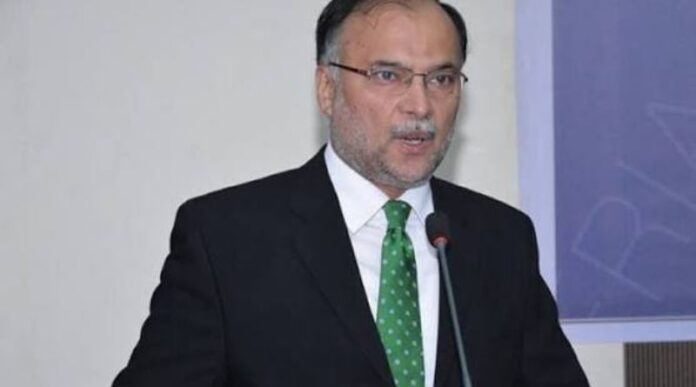

Pakistan needs to focus on making its economy stronger and more active instead of only concentrating on physical development, Federal Minister for Planning and Development Ahsan Iqbal has said.
The minister stressed that the country needs economic activity, investment, business growth and better opportunities for people. He said Pakistan cannot achieve long-term progress unless the economy starts moving at a faster pace.
Speaking about the country’s economic situation, Ahsan Iqbal said Pakistan does not need to “heat its roads” but needs to “heat its economy.” His comments highlight the need for greater economic activity and stronger growth across different sectors.
The statement comes at a time when Pakistan is trying to improve economic stability, attract investment and create more jobs for its growing population.
Pakistan Needs Strong Economic Activity
Economic growth is important for every country because it directly affects jobs, businesses, investment and people’s daily lives. When economic activity increases, companies are more willing to expand, investors become more confident and new employment opportunities can be created.
For Pakistan, this is especially important because the country has a large and young population. Every year, thousands of young people enter the job market and look for work. Without faster economic growth, it becomes difficult to provide enough jobs and better income opportunities.
Ahsan Iqbal’s remarks point towards the need for Pakistan to move beyond short-term economic measures and focus on creating a stronger base for future growth.
The country has many areas where economic activity can be increased. These include manufacturing, agriculture, information technology, exports, energy, tourism, mining and infrastructure.
If these sectors receive the right support, Pakistan can increase production and create more opportunities for businesses and workers.
Investment Is Important for Growth
One of the major requirements for faster economic growth is investment. Local and foreign investors need confidence that Pakistan is a good place to start and expand businesses.
When companies invest, they build factories, open offices, purchase equipment and hire workers. This creates a wider economic impact because employees earn salaries and spend money on goods and services.
Investment can also help Pakistan improve its industrial base. A stronger industrial sector can reduce dependence on imported products and help the country increase exports.
However, investors usually look for stability before putting their money into a market. Clear policies, reliable energy supplies, better infrastructure and an easier business environment can help attract more investment.
Pakistan therefore needs to continue working on these areas if it wants to increase economic activity.
Exports Can Play a Bigger Role
Pakistan also needs to improve its export performance. Exports bring foreign currency into the country and help reduce pressure on external accounts.
The country has already built a strong position in areas such as textiles, rice, sports goods, surgical instruments and other products. However, there is still significant room for expansion.
Pakistan can explore new international markets and increase the value of products it exports. Instead of mainly exporting basic or low-value products, businesses can focus on producing finished goods with higher value.
Technology can also help exporters reach customers in new markets. Digital platforms have made it easier for small and medium-sized businesses to sell products internationally.
The IT sector is another major opportunity. Pakistan has a large number of young people with skills in software development, freelancing, digital marketing and other technology-related fields. With the right support, this sector can become an even bigger source of foreign exchange.
Industry Needs More Attention
A strong industrial sector is necessary for sustainable economic growth.
Pakistan has a large domestic market, but local industries still face several challenges. High energy costs, financing problems, changing policies and other business difficulties can make it harder for companies to expand.
If these problems are addressed, local industries can increase production and create more jobs.
Industrial growth can also help develop smaller businesses. Large companies normally depend on suppliers, transport companies, service providers and other businesses. As a result, growth in one industry can create opportunities for many other businesses.
A stronger manufacturing sector can also reduce the need for imports. When more products are made locally, Pakistan can save foreign currency and improve its trade position.
Agriculture Remains Important
Agriculture is another key part of Pakistan’s economy. A large number of people depend directly or indirectly on farming for their income.
The sector also provides raw material to industries such as textiles, food processing, leather and other businesses.
Pakistan needs to improve agricultural productivity by using better technology, modern farming methods, improved seeds and efficient water management.
Climate change has also created new challenges for farmers. Floods, extreme heat, water shortages and changing weather patterns can affect crop production.
Modern farming technology can help farmers deal with some of these challenges. Better access to information, weather updates, machinery and financial services can also improve agricultural output.
Higher agricultural productivity can support both farmers and the wider economy.
Technology Can Support Economic Growth
Technology has become one of the fastest-growing parts of the global economy. Pakistan has an opportunity to benefit from this trend.
The country’s young population provides a large pool of people who can work in technology-related fields. With better education and training, more young Pakistanis can find opportunities in software development, artificial intelligence, freelancing and digital services.
Technology can also make government and business services faster and easier.
Digital systems can reduce paperwork, improve record keeping and make services more accessible to citizens. For businesses, digital payments and online platforms can make it easier to reach customers and manage operations.
Pakistan has already seen significant growth in digital services, but there is still considerable room for expansion.
Better Jobs for Young Pakistanis
Economic growth should not only be measured through numbers. It should also improve the lives of ordinary people.
One of the biggest benefits of a growing economy is job creation. Pakistan needs millions of new jobs over the coming years as its population continues to increase.
Young people need opportunities to build careers, start businesses and develop useful skills.
If the economy remains slow, many talented young people may struggle to find suitable work. Some may decide to move abroad in search of better opportunities.
A stronger economy can give young Pakistanis more reasons to build their future within the country.
This is why investment in education, technical training and entrepreneurship is just as important as investment in roads, buildings and other physical infrastructure.
Small Businesses Need Support
Small and medium-sized businesses are an important part of Pakistan’s economy. From small shops and workshops to technology startups and service companies, these businesses provide income to millions of people.
However, many small businesses face difficulties when trying to obtain financing or expand their operations.
Simplifying business registration, improving access to loans and reducing unnecessary paperwork can help these businesses grow.
When small businesses become successful, they often hire more workers and increase their purchases from other local businesses. This creates a positive cycle of economic activity.
Pakistan can therefore benefit from policies that make it easier for entrepreneurs to start and operate businesses.
Energy Is a Major Economic Issue
Reliable and affordable energy is also necessary for economic growth.
Factories, offices, shops and farms all require electricity and fuel. When energy costs are high, businesses face higher production expenses. These costs can eventually affect the prices paid by consumers.
For Pakistan to compete in international markets, it needs to improve energy efficiency and ensure that businesses have access to reliable power.
Investment in renewable energy can also provide new opportunities. Solar, wind and other energy sources can help reduce pressure on the traditional energy system while supporting long-term economic needs.
A stable energy supply can encourage companies to invest in new factories and expand existing businesses.
Infrastructure Alone Is Not Enough
Pakistan has invested heavily in roads, highways, bridges, ports and other infrastructure over the years. Such projects are important because they improve transportation and connectivity.
However, infrastructure by itself cannot guarantee economic growth.
A new road can connect two areas, but businesses and industries are needed to make full use of that connection. Similarly, modern buildings and transport networks need productive economic activity around them.
This is the main point behind Ahsan Iqbal’s comments about “heating” the economy.
Pakistan needs to ensure that infrastructure development is connected with business activity, investment, production and employment.
Improving the Business Environment
Businesses need predictable rules to make long-term plans.
Frequent policy changes can make it difficult for companies to decide whether they should invest in new projects. A stable policy environment can help both local and international investors make better decisions.
The government can also support businesses by reducing unnecessary delays and making official processes easier.
A simpler system can save time and money for entrepreneurs. It can also encourage people to move their businesses from the informal economy into the formal system.
This can eventually increase the tax base and improve government revenue.
Pakistan Has Major Economic Potential
Despite its challenges, Pakistan has several advantages that can support faster economic growth.
The country has a large population, a young workforce, a strategic location and access to important regional markets. It also has natural resources, agricultural land and a growing technology sector.
Pakistan’s location gives it the potential to connect markets in South Asia, Central Asia, the Middle East and beyond.
The country can benefit from this position by improving trade links, transport systems and business cooperation with other countries.
Mineral resources are another area that has attracted attention. If developed carefully and transparently, the mining sector could bring investment, create jobs and increase exports.
Long-Term Planning Is Needed
Pakistan’s economic problems cannot be solved overnight. Economic improvement requires consistent policies and long-term planning.
Governments may change, but major economic goals should continue. Investors and businesses need confidence that important policies will not suddenly change.
A long-term approach can help Pakistan focus on areas such as exports, industrial growth, education, technology, agriculture and energy.
The government, private sector and other institutions all have a role to play.
The private sector can create businesses and jobs, while the government can provide a supportive environment and necessary infrastructure.
Growth Must Reach Ordinary People
Economic growth is most useful when its benefits reach ordinary citizens.
People want better jobs, higher incomes, affordable goods, improved public services and greater economic security.
If economic growth only benefits a small section of society, it may not create the level of improvement that the country needs.
Pakistan therefore needs growth that creates opportunities across different regions and income groups.
Small businesses, farmers, workers, students and entrepreneurs should all have opportunities to benefit from economic progress.
A Need for a New Economic Focus
Ahsan Iqbal’s statement sends a simple message: Pakistan needs more economic activity.
The country cannot depend only on construction projects or physical infrastructure to achieve development. Roads, bridges and buildings are important, but they must be supported by productive businesses, industries, exports and investment.
Pakistan needs to create an environment where businesses can grow, investors can feel confident and young people can find jobs.
The country also needs to make better use of its natural resources, improve agriculture, support technology and strengthen exports.
These steps can help create a stronger and more balanced economy.
The Road Ahead
Pakistan’s economic journey will not be easy, but the country has the resources and people needed to improve its position.
The key challenge is turning potential into actual economic activity.
A faster-growing economy can provide more jobs, increase business opportunities, improve government revenues and strengthen Pakistan’s position in the global market.
Ahsan Iqbal’s call for the economy to “heat up” therefore reflects a wider need for stronger economic activity across the country.
Pakistan now needs to focus on policies that encourage investment, increase production, support exports and create jobs. At the same time, reforms should make it easier for businesses to operate and for young people to gain useful skills.
If these areas receive consistent attention, Pakistan can move towards a more active and productive economy.
The country has a large market, a young population and many sectors with growth potential. What is needed is a clear direction, stable policies and continuous effort.
For Pakistan, the next stage of development should not simply be about building more roads or structures. It should be about building a stronger economy that creates real opportunities for its people.
Read Also: check