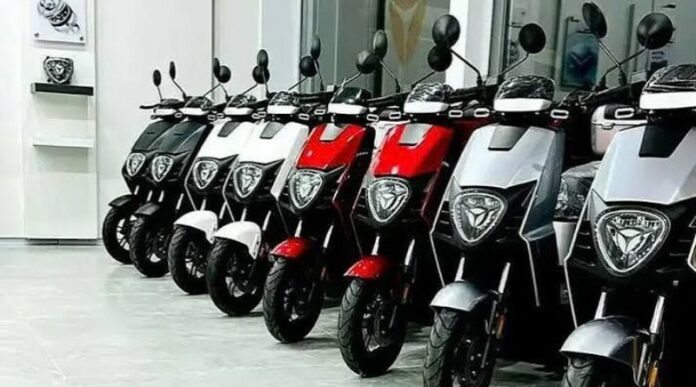

Pakistan’s electric vehicle market is getting a new and important player as Millat moves into the electric bike business. The company, which has a strong name in Pakistan’s automobile and agricultural machinery industry, is now looking toward electric mobility as the country slowly shifts from traditional fuel-powered vehicles to cleaner and more affordable transport options.
The move shows that electric bikes are no longer being seen as a small or limited part of Pakistan’s vehicle market. More companies are now exploring electric mobility because of rising fuel costs, growing demand for low-cost transport, and increasing interest in vehicles that can reduce daily running expenses.
For ordinary Pakistani consumers, electric bikes can offer a different way to deal with the rising cost of petrol. A large number of people use motorcycles and bikes for daily travel, especially for going to offices, colleges, markets, and workplaces. Because of this, the electric bike market has strong potential if companies can offer reliable vehicles at reasonable prices.
Millat’s entry could bring more attention to this growing market.
Millat Looks Towards Electric Mobility
Millat is already a well-known name in Pakistan’s industrial sector. The company has built its reputation over the years through its work in tractors, agricultural equipment, and other related areas.
Entering the electric bike market represents a change in direction for the company. Instead of remaining focused only on traditional vehicles and machinery, Millat is now looking at a part of the automobile industry that is developing quickly around the world.
Electric mobility is becoming more important as governments, businesses, and consumers look for alternatives to petrol and diesel vehicles. Electric bikes are among the simplest ways for people to make this shift because they are generally smaller, easier to use, and more suitable for crowded cities.
For Millat, entering this sector also means becoming part of a market that is expected to receive more attention in Pakistan in the coming years.
Why Electric Bikes Are Becoming Popular
One of the biggest reasons behind the growing interest in electric bikes is the cost of fuel.
Petrol prices have remained a major concern for Pakistani consumers. Motorcycle users may travel shorter distances than car owners, but regular fuel purchases can still take a noticeable part of a household’s monthly budget.
Electric bikes offer an alternative. Instead of buying petrol regularly, users charge the battery and use stored electricity to run the bike.
The exact saving depends on electricity prices, charging habits, battery size, distance travelled, and the bike itself. However, the possibility of reducing daily fuel expenses is one of the main reasons people are considering electric motorcycles.
Maintenance can also be different. Electric bikes have fewer major mechanical parts than traditional petrol motorcycles. They do not need engine oil changes in the same way as petrol bikes, while some other engine-related maintenance is also reduced.
This does not mean electric bikes have no maintenance costs. Batteries, tyres, brakes, electrical parts, and other components still need attention. Battery replacement can also become an important expense after several years of use.
Still, the overall running cost remains one of the biggest attractions of electric mobility.
Millat’s Entry Could Increase Competition
The Pakistani electric bike market already has several companies, but the entry of a major industrial name can increase competition and public interest.
A company with an established presence in the local market may have advantages in areas such as manufacturing experience, supply chains, after-sales support, and access to customers.
For buyers, increased competition can be useful because companies have to work harder to attract customers. This can lead to better designs, improved features, stronger customer support, and more choices.
It can also encourage companies to focus on pricing.
Price is especially important in Pakistan because motorcycles are often purchased by people who need affordable daily transportation. Consumers may not be willing to pay a very high price for an electric bike simply because it uses a battery.
Therefore, companies entering this sector will have to balance technology with affordability.
Electric Bikes Can Help Reduce Fuel Dependence
Pakistan spends a large amount of money importing petroleum products. Changes in international oil prices can have a direct impact on the local economy and household budgets.
A larger shift towards electric transportation could help reduce some of the pressure caused by fuel imports over time.
Electric bikes alone cannot solve Pakistan’s energy or fuel problems. However, if a significant number of motorcycles are gradually replaced with electric alternatives, the demand for petrol in the transport sector could change.
This is one reason electric mobility has become an important topic in many countries.
The environmental side is another factor.
Electric bikes do not produce exhaust emissions while being driven. This can help reduce pollution in cities, although the overall environmental benefit also depends on how the electricity used for charging is produced.
For cities that already face air pollution problems, the wider use of electric two-wheelers could still be a useful step towards cleaner transportation.
Charging Infrastructure Remains Important
One of the biggest challenges for electric vehicles in Pakistan is charging infrastructure.
A petrol motorcycle can be refuelled within a few minutes at a fuel station. Electric bikes require charging, and the time needed depends on the battery and charger.
For people who have access to electricity at home, charging may be relatively easy. A rider can charge the bike overnight and use it the next day.
However, the situation can be more difficult for people living in areas where parking and electricity access are limited.
Public charging stations can help solve this problem, but Pakistan still needs more charging infrastructure as electric vehicle adoption increases.
Companies entering the EV market will therefore need to think beyond the vehicle itself. Customers will also want information about charging, battery life, service centres, spare parts, and replacement batteries.
Battery Life Will Matter to Buyers
The battery is one of the most important parts of an electric bike.
Customers will want to know how far the bike can travel on a single charge, how long the battery takes to charge, and how long the battery is expected to last.
Battery performance can also change depending on riding conditions. Heavy loads, high speeds, frequent stops, road conditions, weather, and battery age can all affect range.
For Pakistani buyers, another important question will be the cost of battery replacement.
A customer may accept a higher purchase price if the bike offers good long-term value. But if battery replacement is very expensive, it could affect the overall ownership cost.
This is why transparency about battery performance and warranty support will be important for Millat and other EV manufacturers.
Reliability Will Be a Key Factor
Pakistan has a large motorcycle market, and local riders are used to vehicles that can handle different road conditions.
Motorcycles are used on city roads, village roads, highways, and sometimes rough tracks. Buyers therefore expect their vehicles to be durable and easy to repair.
Electric bikes will need to meet these expectations.
Consumers are likely to ask questions about performance in hot weather, battery safety, water resistance, suspension, tyres, brakes, and availability of spare parts.
After-sales service will also play an important role.
If an electric bike develops a problem, customers need access to trained technicians who understand its electrical and battery systems. A strong service network can make people more comfortable with adopting a new type of vehicle.
Millat’s existing industrial experience could become useful in this area as the company develops its electric mobility business.
A New Choice for Pakistani Riders
The arrival of more electric bikes gives Pakistani consumers another choice.
Some riders will continue using traditional petrol motorcycles because they already have access to fuel stations and understand their maintenance. Others may consider electric bikes because they want lower daily running costs.
The decision will depend on factors such as price, travel distance, charging access, battery warranty, performance, and after-sales support.
For people who travel short or medium distances every day, an electric bike may be particularly attractive.
For example, a person who travels to work and back home within a predictable distance may find it easier to charge the bike regularly. On the other hand, people who travel very long distances may still prefer petrol-powered motorcycles because of the current charging network.
The Role of Local Manufacturing
Local production can also play an important role in the development of Pakistan’s EV industry.
If companies manufacture more components inside Pakistan, it could create opportunities for local suppliers and workers. It may also help reduce dependence on imported parts over time.
However, the country still faces challenges related to batteries, electronic components, technology, and other EV-related equipment.
Developing a strong local supply chain will take time.
Millat’s move into electric bikes could encourage more investment in this area. As demand grows, other companies may also become interested in producing motors, battery systems, controllers, chargers, and other parts locally.
This could eventually create a wider electric vehicle industry rather than simply an electric bike assembly market.
What Millat’s Move Means for the EV Market
Millat’s entry is important because it shows that electric mobility is attracting attention from established industrial companies.
The move also reflects a wider change in consumer thinking.
People are becoming more aware of fuel costs and are looking for ways to reduce their monthly expenses. At the same time, technology is making electric vehicles more practical and accessible.
Electric bikes are likely to remain one of the easiest ways for ordinary consumers to enter the EV market.
For Pakistan, the development of this sector could bring benefits in transportation, technology, manufacturing, and energy use.
However, the success of electric bikes will depend on more than simply launching new models. Companies will need to offer products that are reliable, affordable, easy to charge, and supported by proper after-sales services.
The Road Ahead for Electric Bikes
Pakistan’s shift towards electric mobility is still developing, and there are many questions about how quickly consumers will adopt EVs.
High initial prices, battery costs, charging facilities, electricity availability, and customer awareness remain important issues.
At the same time, the potential benefits are attracting both businesses and consumers.
Millat’s entry into the electric bike market adds another major name to this changing industry. The company’s move could help bring more attention to electric two-wheelers and encourage further competition in the market.
For Pakistani consumers, the biggest question will ultimately be simple: Can an electric bike provide reliable transportation at a reasonable total cost?
If companies can answer that question successfully, electric bikes could become a much more common sight on Pakistani roads.
Millat’s move into electric mobility is therefore more than just the launch of another vehicle category. It is part of a broader change in how Pakistan is thinking about transportation.
As fuel prices remain a concern and interest in cleaner technology continues to grow, electric bikes could play an important role in the future of everyday travel. The coming years will show how quickly this market develops and how strongly Pakistani consumers respond to the new electric options available to them.
Read Also: check