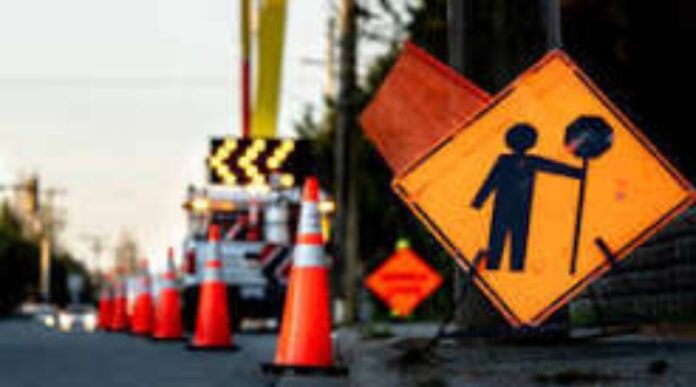

The Karachi Traffic Police has announced a new traffic diversion plan following the closure of the Sir Syed Flyover. The move has been taken to help manage traffic flow and reduce problems for motorists using one of the busy routes in the city.
The closure is expected to affect daily traffic, especially during peak hours when a large number of vehicles travel through the area. To deal with the situation, the traffic police has prepared alternative routes and issued instructions for drivers.
Motorists have been advised to follow the official diversion plan, use alternate roads where possible, and cooperate with traffic police officials deployed in the area.
Sir Syed Flyover Closed for Traffic
The Sir Syed Flyover is an important road link for people travelling through Karachi. Its closure means that vehicles that normally use the flyover will now have to take other routes.
Such closures can quickly create pressure on nearby roads because thousands of vehicles may need to use the same alternative routes. The Karachi Traffic Police has therefore issued a detailed plan so that drivers can understand which roads they should use during the closure.
The traffic authorities are also expected to monitor the situation and make changes if traffic conditions require further adjustments.
For people who regularly use the flyover, the closure may increase travel time. Drivers may need to leave their homes earlier than usual, particularly if they are travelling during morning or evening rush hours.
Alternative Routes Announced for Motorists
Under the diversion plan, traffic coming towards the closed flyover will be directed towards alternative roads. Police officials will remain present at important points to guide drivers and prevent unnecessary congestion.
Motorists have been requested to carefully follow traffic signs and instructions given by officers on duty. Drivers should avoid trying to enter the closed section, as doing so could create additional traffic problems and delay other road users.
The alternative routes are designed to spread traffic across nearby roads instead of allowing large numbers of vehicles to gather at one point.
People travelling through the area for the first time are also advised to check their route before starting their journey. Using a navigation application may help drivers identify roads that are less crowded.
Traffic Problems Expected During Peak Hours
The biggest challenge is likely to come during peak traffic hours. Karachi’s roads become especially busy when people travel to offices, schools, colleges, markets and other workplaces.
With the Sir Syed Flyover unavailable, nearby roads may experience heavier traffic than normal. This could result in slow-moving traffic, longer queues and increased travel time.
Traffic police officials will need to keep a close watch on major junctions and connecting roads. Quick action at busy points can help prevent a small traffic buildup from turning into a major jam.
Drivers can also play an important role by staying in their lanes, avoiding unnecessary overtaking and following the directions of traffic police.
Public Advised to Plan Journeys in Advance
The traffic police has urged citizens to plan their journeys before leaving. People who normally use the Sir Syed Flyover should consider alternate routes and allow extra time for travel.
This is especially important for employees who have fixed office timings and students who need to reach educational institutions on time.
Drivers should also avoid stopping unnecessarily on roads being used as diversion routes. A vehicle parked on the roadside can reduce the available space for moving traffic and make congestion worse.
Public transport vehicles have also been encouraged to follow the diversion arrangements so that passengers can continue travelling through the affected area with minimum disruption.
Traffic Police Personnel to Guide Drivers
Traffic police officials are expected to be deployed at key locations around the closed flyover. Their job will be to guide motorists, control traffic movement and respond to changing road conditions.
Drivers should follow their instructions rather than attempting to choose routes that have been closed for safety or traffic management reasons.
In busy areas, traffic conditions can change within minutes. A route that appears clear at one time may become crowded later. Traffic officials can respond to these changes on the ground and redirect vehicles when necessary.
The presence of police officers should also help reduce confusion among drivers who may not be familiar with the alternate routes.
Why Traffic Diversion Plans Are Important
Traffic diversion plans are important whenever a major road or flyover is closed. Without proper arrangements, vehicles can gather around the closed point and block connecting roads.
A clear diversion plan helps distribute vehicles across different roads. It also gives motorists a better idea of where they should go instead of forcing them to make last-minute decisions.
In a large city like Karachi, even a temporary closure of an important road can affect thousands of people. This is why traffic management becomes particularly important during such situations.
The authorities may also review traffic conditions throughout the closure period. If a particular alternative route becomes too crowded, further adjustments may be made to improve traffic movement.
Drivers Should Avoid Unnecessary Travel Through the Area
People who do not have to travel through the affected area may consider using another route altogether. Avoiding the busy zone can help reduce pressure on diversion roads.
For those who must pass through the area, travelling outside peak hours may be easier where possible.
Drivers should also make sure they have enough fuel before starting longer journeys through congested areas. Heavy traffic can increase fuel consumption, especially when vehicles remain stuck or move slowly for long periods.
Motorists should remain patient and avoid aggressive driving. Sudden lane changes, wrong-way driving and unnecessary overtaking can increase the risk of accidents and make traffic management more difficult.
Commuters Should Expect Extra Travel Time
People travelling through the affected area should be prepared for possible delays. Even with a proper diversion plan, alternative roads may not be able to handle traffic as quickly as the flyover normally does.
Commuters should therefore leave with some extra time in hand.
Office workers, students, patients travelling to hospitals and people with important appointments should take particular care. Reaching the area early can help avoid stress caused by unexpected delays.
Those using ride-hailing services should also expect that travel times and fares may change depending on traffic conditions.
Follow Official Traffic Instructions
The Karachi Traffic Police has asked road users to cooperate with officials and follow the announced diversion arrangements.
Drivers should pay attention to traffic signs, cones, barriers and police directions around the closed route. Ignoring these instructions can create confusion and increase the risk of accidents.
Motorists should also avoid spreading unverified information about road closures or alternate routes on social media. Traffic conditions can change, and old information may no longer be accurate.
People should rely on official traffic updates for the latest information about the closure and any changes to the diversion plan.
Impact on Nearby Roads
The closure of the Sir Syed Flyover may have an impact beyond the immediate area. When traffic is redirected, roads connected to the main diversion routes can also become busy.
This means drivers who normally do not use the flyover may notice slower traffic on nearby roads.
Traffic police may need to manage several intersections at the same time. Proper coordination between officials can help keep vehicles moving and prevent blockages.
However, road users also have a responsibility to make the system work. Simple actions such as maintaining lane discipline, keeping junctions clear and avoiding illegal parking can make a significant difference.
Safety Should Remain a Priority
While reaching the destination quickly is important, road safety should not be ignored. Drivers should maintain a safe distance from other vehicles and follow speed limits.
Motorcyclists should use proper safety equipment and avoid moving unpredictably between vehicles. Car drivers should remain alert for pedestrians and two-wheelers, particularly on crowded alternative roads.
Pedestrians should also use designated crossings where available and avoid suddenly stepping onto busy roads.
During traffic diversions, road conditions can be different from what motorists are used to. Extra care is therefore needed, particularly at intersections and temporary traffic arrangements.
What Motorists Should Do
Drivers travelling near the Sir Syed Flyover should keep a few simple points in mind:
Check the latest traffic updates before leaving.
Plan an alternate route in advance.
Leave earlier if travelling during busy hours.
Follow traffic police instructions.
Obey temporary road signs and barriers.
Avoid illegal parking on diversion routes.
Do not make sudden lane changes.
Keep emergency vehicles and intersections clear.
Avoid unnecessary travel through the affected area.
Remain patient if traffic becomes slow.
Following these basic steps can help reduce pressure on Karachi’s already busy roads.
Temporary Disruptions Can Be Managed With Cooperation
Road closures are often difficult for commuters, but proper planning and public cooperation can reduce their impact. Traffic authorities can manage roads and direct vehicles, but motorists also need to follow the system.
The Sir Syed Flyover closure is expected to create changes in normal traffic patterns. Some roads may become busier while others may offer a smoother journey.
The traffic police’s diversion plan is intended to keep vehicles moving and reduce confusion during the closure. Drivers should therefore familiarise themselves with the alternate routes and remain alert while travelling through the affected area.
For regular commuters, the first few days may be the most difficult as people adjust to the new routes. Traffic conditions may become more predictable once drivers become familiar with the alternatives.
Conclusion
The Karachi Traffic Police has issued a traffic diversion plan following the closure of the Sir Syed Flyover. The arrangement is aimed at managing vehicle movement and reducing congestion caused by the temporary closure of an important traffic route.
Motorists travelling through the area should expect possible delays, especially during peak hours. They are advised to plan their journeys ahead of time, use alternate roads and follow the instructions of traffic police officials.
The success of the diversion plan will depend not only on traffic management by the authorities but also on the cooperation of road users. Careful driving, lane discipline, patience and respect for traffic instructions can help keep the affected roads moving.
As the situation develops, commuters should continue checking official updates for any changes in the traffic plan. For now, avoiding unnecessary travel through the affected area and allowing extra time for essential journeys may help Karachi residents deal with the disruption more easily.
Read Also: check