
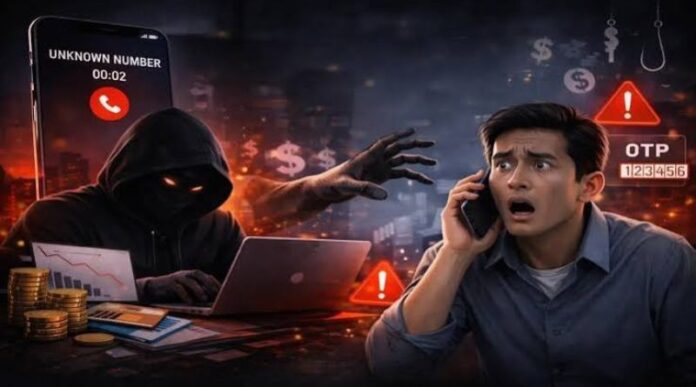

Pakistan is facing growing cyber threats as online fraud, fake phone calls, and one-time password (OTP) scams continue to put mobile users at risk. The Pakistan Telecommunication Authority (PTA) has highlighted the need to improve public awareness and take stronger steps to protect people from online criminals.
With millions of Pakistanis using smartphones, mobile banking apps, digital wallets, social media platforms, and online shopping services, cyber safety has become more important than ever. Although digital services have made daily life easier, they have also created new opportunities for scammers to target people and steal their personal information and money.
The PTA chairman’s warning highlights the importance of staying alert while using mobile phones and the internet. People need to understand how online fraud works, how scammers collect sensitive information, and what steps they can take to protect themselves.
Fake calls, suspicious messages, stolen passwords, and OTP fraud are among the common methods criminals use to trick unsuspecting users. These scams can affect anyone, regardless of age, education, or experience with technology.
PTA Chairman Highlights Rising Cybersecurity Risks
Cybersecurity has become a major concern in Pakistan as more people depend on digital services for their personal and professional activities. Mobile phones are now used for banking, payments, communication, education, business, and government services.
However, the growing use of these services has also increased the risks linked to online fraud and data theft.
The PTA chairman’s warning draws attention to the need for greater public awareness about cyber threats. People must be careful when answering unknown calls, opening links, sharing personal details, or responding to messages that ask for confidential information.
Cybercriminals often take advantage of people’s trust. They may pretend to be bank employees, telecom company representatives, government officials, or customer support agents. Their main purpose is to convince victims to share information that can be used to access their accounts.
In many cases, scammers create a sense of urgency. They may tell a person that their bank account will be blocked, their SIM card will stop working, or their digital wallet needs immediate verification. When victims become worried, they may share sensitive information without checking whether the caller is genuine.
This is why the PTA and other relevant organisations need to continue educating mobile users about safe online practices.
Fake Calls Are Becoming a Serious Concern
Fake phone calls remain one of the easiest ways for scammers to contact potential victims. Fraudsters may call people using ordinary mobile numbers or other methods that make their calls appear trustworthy.
During these calls, criminals often claim that they are calling from a bank, mobile network, government department, or digital payment service.
They may tell the victim that suspicious activity has been detected on an account. In other cases, they may claim that the person’s SIM card needs verification or that a prize has been won.
The caller then asks the victim to provide personal information, a password, a CNIC number, or an OTP sent to their phone.
Once the information is shared, the scammer may use it to access an account, reset login details, or carry out unauthorised transactions.
Some scammers also use threats to pressure their targets. For example, they may claim that a mobile connection will be blocked unless the person follows their instructions immediately.
Mobile users should remember that receiving a call from someone who claims to represent an official organisation does not automatically mean the call is genuine.
If a caller asks for confidential information, users should end the call and contact the relevant organisation through its official website, verified helpline, or trusted mobile application.
What Is an OTP Scam?
An OTP, or one-time password, is a temporary code used to confirm a login, verify a user’s identity, or approve a transaction. Banks, digital wallets, online services, and other platforms may send these codes through SMS or other approved methods.
An OTP provides an additional layer of account security. However, it can become a serious risk if users share it with criminals.
In an OTP scam, a fraudster attempts to convince a victim to reveal the code received on their mobile phone. The scammer may pretend to be a customer support agent and claim that the code is needed to verify an account or solve a technical problem.
In reality, the code may allow the criminal to complete a login, reset a password, or approve an action that the victim did not request.
For example, a person may receive an OTP after a scammer tries to access their digital wallet. The criminal then calls the person and asks them to read out the code, claiming that it is required to stop suspicious activity.
If the victim shares the code, the scammer may gain access to the account.
The most important rule is simple: never share an OTP with another person. Users should also avoid sending OTPs through WhatsApp, SMS, email, or social media, even if the person requesting the code claims to be an official representative.
If an unexpected OTP arrives, users should not share it or approve any transaction they did not initiate. They should check their account activity and contact the relevant service provider if they suspect an attempted fraud.
How Cybercriminals Target Mobile Users
Online criminals use different methods to collect information and trick people. Their methods may change over time, but many scams rely on fear, curiosity, trust, or the promise of financial rewards.
Some of the common techniques include:
1. Fake Bank Calls
A scammer pretends to work for a bank and claims that the victim’s account has a security problem. The caller may request an OTP, password, or other confidential information.
2. Fake Prize Messages
Victims receive messages claiming that they have won cash, a smartphone, or another valuable prize. They may be asked to provide personal details or pay a fee to receive the reward.
3. Suspicious Links
Fraudsters send links through SMS, WhatsApp, email, or social media. These links may lead to fake websites designed to collect passwords, banking information, or other private details.
4. Fake SIM Verification Requests
A caller may claim that a SIM card will be blocked unless the user completes an urgent verification process. The criminal may then request personal information or an OTP.
5. Social Media Account Theft
Scammers may try to take control of Facebook, Instagram, WhatsApp, or other accounts by tricking users into sharing verification codes or clicking harmful links.
6. Fake Customer Support
Fraudsters may pretend to help users solve problems with mobile banking, digital wallets, or online services. Instead of fixing the problem, they attempt to obtain access to the victim’s account.
These examples show why people must verify unexpected requests before sharing information or taking action.
Cyber Threats Can Lead to Financial Losses
Cybercrime is not limited to stealing passwords or accessing social media accounts. It can also cause serious financial problems for individuals and businesses.
When scammers gain access to a bank account or digital wallet, they may attempt to transfer money, make payments, or change account details.
Victims may also lose control of their social media accounts. Criminals can use stolen accounts to contact friends and family members, ask for emergency money, or spread additional fraudulent links.
Businesses can face further risks if criminals access company email accounts, customer records, or internal systems.
In some cases, stolen personal information can be used for identity fraud. Criminals may use these details to impersonate victims or attempt to gain access to other services.
Recovering from such incidents can take time. Victims may need to contact banks, mobile operators, online platforms, and law enforcement agencies.
The damage may also include stress, loss of trust, and disruption to everyday activities.
For these reasons, cybersecurity should not be treated as a concern only for technology experts. Every mobile phone user needs to understand the basic steps required to stay safe online.
How to Protect Yourself From OTP Scams
People can reduce their risk of becoming victims by following a few simple precautions.
Never share OTPs or passwords. Treat verification codes as private information. Banks, telecom operators, and other service providers should not need you to disclose a confidential code over an unsolicited call.
Do not trust unknown callers immediately. If someone claims to represent an official organisation, verify their identity through an official contact channel.
Avoid suspicious links. Do not open links sent by unknown numbers or messages that create unnecessary urgency. Check website addresses carefully before entering personal information.
Use strong passwords. Create passwords that are difficult to guess. Avoid using the same password for multiple important accounts.
Enable two-factor authentication. Where available, use additional security measures to protect email, social media, and financial accounts.
Keep your phone updated. Install security updates for your operating system and applications. Updates can help protect your device against known security problems.
Install apps from trusted sources. Avoid downloading applications from unknown websites or clicking advertisements that promise unofficial versions of popular apps.
Check financial transactions regularly. Review bank statements and digital wallet activity. Report transactions that you do not recognise as soon as possible.
Limit the information you share online. Avoid posting personal details that could help criminals answer security questions or impersonate you.
These steps cannot remove every cybersecurity risk, but they can make it much harder for scammers to succeed.
What Should You Do If You Receive a Suspicious Call?
If someone calls and asks for an OTP, password, banking details, or other sensitive information, do not provide it.
End the call and independently verify the claim. If the caller says there is a problem with your bank account, contact your bank using the number listed on its official website or mobile application.
If the caller claims to represent a telecom company, use the company’s verified customer support channels.
Do not call back using a number provided by the suspicious caller without checking it first. Similarly, avoid relying on phone numbers or links sent in an unexpected message.
If you have already shared an OTP or suspect that someone has accessed your account, take action immediately.
Contact your bank or digital wallet provider and ask them to secure your account.
Change the affected password from a trusted device.
End unauthorised sessions where the service allows it.
Review recent transactions and account activity.
Contact your mobile operator if your SIM card suddenly stops working or you suspect that your number has been misused.
Save relevant messages, phone numbers, transaction details, and screenshots as evidence.
Report the incident to the appropriate official cybercrime reporting channel.
Quick action may help limit financial losses and prevent further misuse of your information.
PTA’s Role in Improving Digital Safety
The Pakistan Telecommunication Authority plays an important role in regulating the country’s telecommunications sector and supporting safer use of telecom services.
As cyber threats continue to develop, public awareness is an important part of the wider effort to protect mobile users.
People need clear information about fraudulent calls, suspicious messages, illegal use of SIM cards, and attempts to obtain personal information.
Telecom operators, banks, digital payment companies, online platforms, and government departments also have a role in improving security. They can help by providing clear warnings, protecting customer information, responding quickly to complaints, and making it easier for users to report suspicious activity.
Users should also be able to recognise official communication from service providers. Clear messages about security procedures can reduce confusion and make it harder for criminals to impersonate legitimate organisations.
However, cybersecurity cannot depend on regulators and service providers alone. Public cooperation is equally important.
When users report scams, warn their family members, and avoid sharing confidential information, they help reduce opportunities for criminals to target others.
For the latest complaint procedures and security advisories, users should consult the PTA’s official website and verified channels rather than relying on information shared by unknown social media accounts.
Why Cyber Awareness Is Important for Pakistan
Pakistan’s digital economy is growing as more people use online banking, mobile wallets, e-commerce services, and digital communication tools.
These services can save time, improve access to financial products, and make it easier for people to manage daily tasks. However, their benefits depend partly on users being able to trust the systems they use.
Cyber awareness is especially important for people who are new to digital banking or have limited experience identifying online fraud.
Older people, students, small business owners, and people living in areas with limited access to digital education may need additional guidance to recognise common scams.
Families can help by discussing online safety with one another. Parents can teach children not to share verification codes, while experienced users can help relatives identify suspicious messages.
Schools, workplaces, banks, and telecom companies can also spread awareness through simple instructions in English and Urdu.
The goal should be to make cybersecurity information easy for everyone to understand and follow.
The Future of Cybersecurity in Pakistan
As digital services become more common, cybercriminals may continue to develop new methods of targeting users. Fraud attempts can involve phone calls, text messages, social media accounts, fake websites, and other digital channels.
This means online safety will remain an ongoing responsibility.
Regulators and service providers need to keep improving security systems and public awareness. Users, meanwhile, should remain careful about requests for money, passwords, verification codes, and personal information.
Technology can help identify suspicious activity, but people also need to understand the warning signs of fraud.
A cautious approach can make a significant difference. Taking a few seconds to verify a caller or check a message may prevent the loss of money or access to an important account.
The public should also avoid forwarding unverified warnings or rumours. Information about cyber threats should be checked through reliable sources before being shared with others.
Conclusion
The PTA chairman’s warning about growing cyber threats, fake calls, and OTP scams highlights the importance of digital safety in Pakistan. As more people rely on smartphones and online services, criminals have more opportunities to attempt fraud and steal private information.
Fake bank calls, false SIM verification requests, suspicious links, and OTP scams can put both personal information and money at risk. However, users can reduce these risks by staying alert, verifying callers, protecting passwords, and refusing to share verification codes.
Telecom companies, banks, government departments, and regulators all have a role in making digital services safer. At the same time, every user must take responsibility for protecting their accounts and reporting suspicious activity.
The main message is clear: never share your OTP, do not trust unexpected callers without verification, and always check suspicious requests through official channels. A few simple precautions can help Pakistanis use digital services with greater confidence and safety.
Frequently Asked Questions (FAQs)
1. What has the PTA chairman warned about in Pakistan?
The warning highlights growing cybersecurity concerns, including fake calls, OTP scams, and other online fraud attempts that can put mobile users’ personal information and money at risk.
2. What is an OTP scam?
An OTP scam occurs when a criminal tricks someone into sharing a one-time password. The scammer may use the code to access an account, reset a password, or approve an unauthorised transaction.
3. Does the PTA recommend sharing OTPs with callers?
Users should never share OTPs with callers or disclose confidential verification codes to people who contact them unexpectedly.
4. How can I identify a fake phone call?
Warning signs include requests for OTPs or passwords, threats to block your SIM, promises of unexpected prizes, and pressure to act immediately. Verify the caller through an official contact channel.
5. What should I do if I accidentally share an OTP?
Contact the affected bank or service provider immediately, secure your account, change your password if necessary, review recent activity, and report any suspicious transactions.
6. Can scammers steal money through fake calls?
Yes. If a scammer obtains the information or verification code needed to access a financial account, they may attempt unauthorised transactions.
7. How can I protect my mobile banking account?
Use a strong, unique password, enable available security features, keep your phone updated, avoid suspicious links, and never disclose OTPs or banking details to unknown callers.
8. Where should I report a cybercrime in Pakistan?
Use the relevant official cybercrime reporting channel and contact your bank or mobile service provider when financial accounts or telecom services are involved. Check official government and PTA channels for current reporting instructions.
9. Are WhatsApp messages also used for online scams?
Yes. Scammers may use WhatsApp to send fake prize offers, suspicious links, impersonation messages, and requests for verification codes or money.
Read Also: check