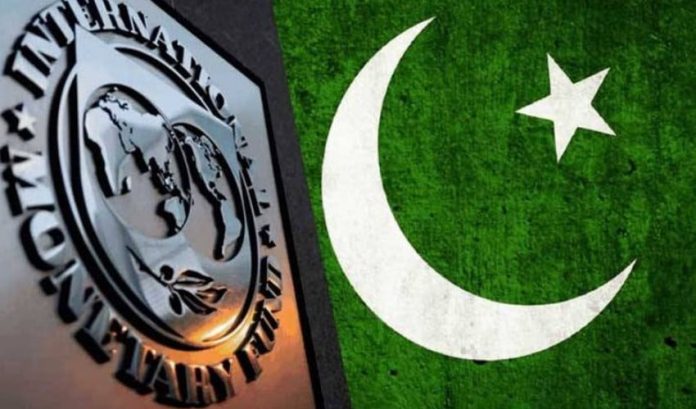

ISLAMABAD: Pakistan and the International Monetary Fund (IMF) have finalized a comprehensive trade reform plan aimed at reducing tariffs and enhancing economic competitiveness. Under this agreement, the country’s weighted average applied tariffs will be reduced to approximately 6% over the next five years, a 43% reduction that will significantly lower protective barriers for local industries.
Currently, Pakistan imposes the third-highest trade-weighted average tariffs in South Asia, standing at 10.6%. Once the reforms are fully implemented, Pakistan will have the lowest weighted average tariffs in the region, fostering an environment conducive to increased trade and economic growth.
The agreement was reached during a virtual meeting on Thursday, where officials outlined a phased plan to gradually decrease protectionist tariffs, beginning in July this year. This initiative is expected to encourage market expansion, attract foreign investment, and integrate Pakistan into the global trade system.
Strategic Policy Framework for Tariff Reductions
The tariff reduction strategy is structured around two primary policy frameworks: the National Tariff Policy and the Auto Industry Development and Export Policy (AIDEP) 2026-30. These policies will collectively bring down the country’s weighted average tariffs to 6% while ensuring a systematic transition for key industries.
The National Tariff Policy, under the Ministry of Commerce, aims to lower average tariffs to 7.4% by 2030. The AIDEP, overseen by the Ministry of Industries, will implement a progressive reduction in tariff protections for the automobile sector, aligning it with global trade standards.
Key Trade Reforms Under the Agreement
Pakistan has committed to:
- Eliminating additional customs duties on select goods starting July 2024.
- Reducing regulatory duties by 80% over the next five years.
- Phasing out tariff concessions under the fifth schedule of the Customs Act.
- Gradually lowering the additional customs duty structure, with a complete phase-out by 2030.
Although the IMF initially recommended reducing weighted average tariffs to 5%, Pakistani officials negotiated a target of 6% to balance economic openness with local industry protection.
Implementation and Regulatory Adjustments
The federal cabinet will approve the revised tariff framework before the end of June 2024. The government has also pledged to introduce regulatory duties only in exceptional cases, with clear sunset clauses to prevent long-term trade distortions.
MUST READ
Pakistan Demonstrates Strength and Unity on National Day, Says President Zardari
Reforms in the Auto Sector
The auto industry will experience a phased reduction in customs duties and regulatory levies, ensuring vehicle affordability and competitiveness. Key changes include:
- Setting a maximum cap of 20% on all auto import duties.
- Reducing high regulatory duties (currently 55%-90%) in stages, reaching 26.5%-44% by 2030.
- Eliminating additional duties on select vehicle imports by 2024.
Economic Growth and Future Projections
Trade liberalization measures are expected to increase exports to $47 billion by 2030 while maintaining sustainable import growth at $84 billion. The government anticipates a GDP growth rate of 4.6% as these structural reforms take effect.
FAQs
1. What are the primary goals of Pakistan’s tariff reform agreement with the IMF?
The reform aims to lower trade barriers, enhance competitiveness, and integrate Pakistan more effectively into the global economy by reducing tariffs to 6% over five years.
2. How will these reforms impact local businesses?
While increased competition may challenge local firms, the reforms are expected to drive efficiency, encourage innovation, and reduce costs for consumers.
3. When will the new tariff reductions take effect?
The phased reductions will begin in July 2024, with gradual changes extending through 2030.
4. How will the automobile sector be affected?
The auto industry will benefit from reduced import duties and regulatory adjustments, making vehicles more affordable and increasing market competitiveness.
5. What economic benefits are anticipated from these trade reforms?
The government expects a boost in exports to $47 billion and an increase in GDP growth to 4.6% by 2030, alongside improved trade balance efficiency.