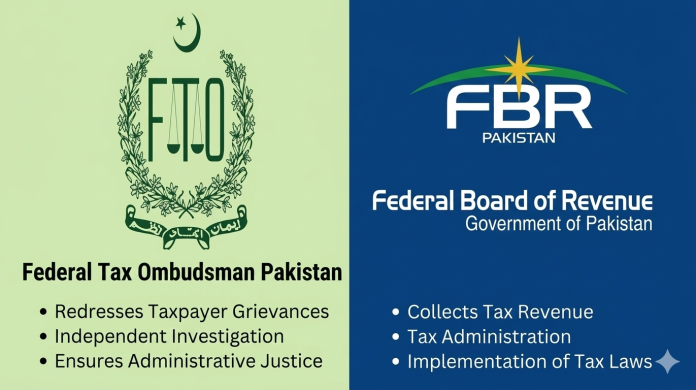

A ruling has reaffirmed that taxpayers have the legal right to access documents related to their sales tax cases. The decision directs tax authorities to provide copies of relevant assessment records, including documents that record hearings and other proceedings connected to a taxpayer’s case.
The ruling highlights the importance of transparency in tax administration and ensures that taxpayers have access to the information necessary to understand and respond to decisions made by tax officials. Access to these records is considered essential for protecting taxpayer rights and maintaining fairness in the tax system.
Right of Taxpayers to Access Case Records
According to the ruling, registered taxpayers are legally entitled to obtain copies of documents related to their sales tax assessments. These documents include records of hearings, order sheets that document the details of proceedings, and other official documents connected to the case.
Such records allow taxpayers to track the progress of their cases and understand the basis on which tax decisions are made. Having access to these documents also ensures that taxpayers can prepare accurate responses or appeals if they believe an assessment has been issued incorrectly.
Providing these records supports the principle that taxpayers should be fully informed about matters affecting their financial obligations.
Documents That Must Be Provided
The decision clarified that several categories of records should be made available to taxpayers upon request. These include assessment orders, official notices issued by tax authorities, and order sheets that record hearing dates and the details of submissions made during proceedings.
Order sheets are particularly important because they provide a clear timeline of how a case has progressed. They document hearings, submissions by taxpayers, and other procedural developments.
By obtaining these records, taxpayers are better able to understand the steps taken during the assessment process and the reasoning behind official decisions.
Internal Notes Remain Confidential
While taxpayers have the right to access many case-related documents, the ruling also clarified that certain internal records remain confidential. Internal notes or consultations between tax officials within an office are not required to be shared with taxpayers.
These internal communications are considered part of the administrative process used by officials to evaluate cases and make decisions. As such, they are treated as confidential documents that do not fall within the category of records accessible to taxpayers.
The distinction ensures transparency in official proceedings while allowing tax authorities to maintain internal administrative discussions.
Importance of Transparency in Tax Administration
The ruling emphasized that refusing to provide relevant case records to taxpayers can be considered maladministration. When taxpayers are denied access to documents related to their cases, it can limit their ability to properly defend themselves or pursue legal remedies.
Transparency is a key element of a fair tax system. When taxpayers have access to the documents that affect their cases, they are better equipped to respond to assessments and ensure that their rights are protected.
Providing these records also helps build trust between taxpayers and tax authorities by ensuring that decisions are made through an open and accountable process.
Case Background and Decision
The case involved a taxpayer who requested copies of order sheets that recorded hearing dates and documents submitted during the proceedings. These records were considered essential for understanding how the case had progressed.
Authorities had initially argued that providing the requested documents was unnecessary because the assessment had already been sent back for reconsideration by an appellate authority. However, the ruling rejected this argument.
It stated that earlier proceedings remain part of the official case record and may influence the final outcome when the case is reviewed again. Because of this, taxpayers must be allowed to access these documents.
Strengthening Taxpayer Rights
The decision reinforces the principle that taxpayers should have access to the information needed to manage and defend their tax matters. Ensuring access to case records allows individuals and businesses to better understand the decisions affecting them and take appropriate legal steps when necessary.
By directing tax authorities to provide these documents, the ruling promotes transparency, accountability, and fairness within the tax system. Such measures are important for maintaining confidence in tax administration and ensuring that taxpayer rights remain protected.
Read More
SECP Launches Digital Registry To Track Real Owners Of Companies