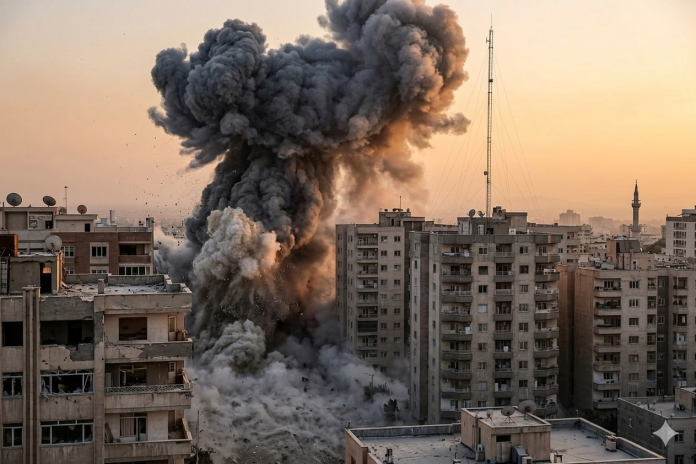

The first week of the ongoing conflict with Iran has already cost the United States more than $11 billion, according to information shared with lawmakers during a recent briefing. The spending reflects the scale and intensity of the military operations carried out during the early days of the campaign.
Officials revealed that the cost estimate covers the initial six days of combat operations. The figure includes expenses related to airstrikes, military logistics, advanced weapon systems, and operational deployments. However, experts note that the actual cost of the conflict is likely to rise significantly as operations continue.
The conflict began in late February when large-scale airstrikes targeted multiple strategic locations. Since then, the fighting has escalated across the region, causing major humanitarian and economic consequences.
Massive Military Spending in Early Days
A significant portion of the early spending came from the use of high-cost precision weapons and advanced military equipment. Officials told lawmakers that approximately $5.6 billion worth of munitions were used during the first two days of the military campaign alone.
Modern military operations rely heavily on advanced missile systems, guided bombs, and surveillance technologies. These weapons are highly effective but extremely expensive, which contributes to the rapid increase in overall war costs.
The early stages of the campaign involved intense strikes designed to weaken military infrastructure and strategic targets. This level of operational activity requires extensive use of high-value resources, including aircraft operations, intelligence systems, and missile deployments.
Potential Request for Additional War Funding
With the conflict still ongoing, officials expect that additional funding will soon be requested to support continued military operations. Early discussions suggest that the administration may ask lawmakers for tens of billions of dollars in additional resources.
Some estimates indicate that a request of around $50 billion could be presented in the near future. However, analysts believe the final amount could be even higher depending on how long the conflict continues and how much equipment must be replenished.
War funding typically includes costs related to troop deployments, weapons systems, logistics, intelligence operations, and humanitarian support efforts. As military campaigns extend over longer periods, these expenses can rise dramatically.
Pressure on Military Supply Chains
Another major concern raised by lawmakers involves the strain on military supplies and equipment inventories. The heavy use of weapons during the early days of the conflict has already placed pressure on existing stockpiles.
Military planners are closely monitoring supplies of precision-guided weapons, missile systems, and other advanced munitions. Replacing these items can take significant time and financial resources because of complex manufacturing processes and limited production capacity.
To address this issue, defense officials have begun working with major defense contractors to increase production and replenish military inventories used during the initial strikes.
Lawmakers Seek Greater Transparency
Some members of Congress have called for greater transparency regarding the scope and duration of the conflict. Lawmakers are seeking more detailed information about the long-term strategy, expected costs, and plans for stability after the fighting ends.
Public hearings and additional briefings have been requested to help lawmakers understand the full implications of the military campaign. Many officials want clarity on how long the conflict may continue and what resources will be required to sustain operations.
Concerns have also been raised about the broader impact of the conflict on regional stability and global markets.
Regional Impact and Global Economic Effects
The conflict has already had significant consequences beyond the battlefield. Fighting has spread into nearby areas, increasing regional instability and creating humanitarian challenges.
In addition to the human cost, the war has also disrupted global energy markets and shipping routes. Tensions in key maritime corridors have raised fears of supply interruptions, contributing to rising energy prices and increased market volatility.
Global investors and policymakers are closely watching developments, aware that prolonged instability in the region could have widespread economic effects.
Uncertain Outlook for the Conflict
As the conflict continues, experts believe the overall financial cost could rise sharply. Modern military campaigns involve complex logistics, advanced technologies, and long-term operational commitments that require substantial funding.
The first week’s $11 billion price tag highlights how quickly military spending can escalate during large-scale operations. If the conflict expands or continues for an extended period, the total cost could reach much higher levels.
For now, policymakers and defense planners are focused on managing the immediate challenges while preparing for the financial and strategic demands of a prolonged conflict.
Read More