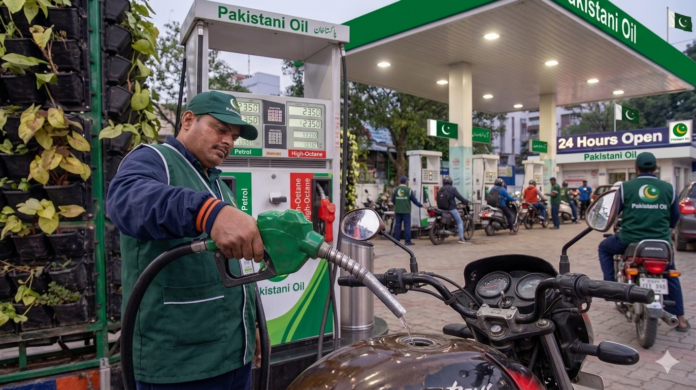

Fuel Price Pressure Mounts as Freeze Becomes Unsustainable
The federal government is increasingly under pressure to reconsider its decision to freeze petrol and diesel prices as global fuel costs continue to surge. What initially served as a temporary relief measure is now turning into a significant fiscal burden, with domestic prices falling far behind international benchmarks. The widening gap is forcing policymakers to evaluate whether maintaining the cap is still viable in the current economic climate.
Officials are now actively reviewing the situation, weighing the benefits of continuing the freeze against the growing financial strain it places on national resources. While the policy helped cushion consumers from immediate price shocks, sustaining it over a longer period is proving difficult due to rising import costs and mounting subsidy requirements.
Targeted Relief for Low-Income Consumers Under Consideration
As part of a potential shift in strategy, authorities are exploring targeted subsidies aimed at protecting vulnerable segments of society. In particular, owners of two and three-wheelers are likely to receive financial support, as they represent a large portion of low-income commuters who are most affected by fuel price fluctuations.
This move signals a transition from broad, across-the-board subsidies to a more focused approach that ensures assistance reaches those who need it most. By narrowing the scope of subsidies, the government hopes to reduce fiscal pressure while still providing meaningful relief to economically disadvantaged groups.
Sharp Increases in Aviation Fuel and Kerosene Prices
While petrol and diesel prices have remained frozen, other fuel categories have seen significant increases. Aviation fuel and kerosene prices have risen sharply in recent weeks, reflecting global market volatility. These increases highlight the broader trend of rising energy costs and underscore the challenges of maintaining price stability in one segment while others experience steep hikes.
The surge in these fuels is largely driven by international developments and supply disruptions, which have pushed prices upward at an unprecedented pace. This imbalance is further complicating the government’s efforts to manage the overall fuel pricing structure.
Global Market Volatility Driving Local Price Challenges
The ongoing volatility in global energy markets has played a major role in shaping domestic fuel pricing challenges. Geopolitical tensions and supply uncertainties have contributed to sharp price fluctuations, making it increasingly difficult for governments to maintain stable fuel prices without incurring substantial costs.
Since early March, the rapid escalation in global fuel prices has created a ripple effect, impacting local markets and forcing policymakers to make tough decisions. The longer the price freeze remains in place, the greater the financial burden becomes, increasing the likelihood of a sudden adjustment in the future.
Subsidy Burden Weighs Heavily on National Finances
Maintaining the current price freeze has required significant financial support from the government. Billions have already been allocated to offset rising import costs and keep retail prices stable. However, officials acknowledge that the ongoing subsidy burden is becoming increasingly difficult to sustain.
With the government absorbing a large portion of the actual fuel cost, the gap between market rates and consumer prices continues to widen. This not only strains public finances but also limits the ability to allocate resources to other critical sectors such as healthcare, education, and infrastructure.
Policy Review Intensifies Amid Economic Pressures
A high-level review of the fuel pricing policy is currently underway, with key decision-makers examining the long-term implications of continuing the freeze. The discussion focuses on balancing economic stability with consumer protection, while also addressing international financial commitments and fiscal constraints.
Delaying price adjustments may offer short-term relief, but it risks creating larger economic challenges down the line. Experts warn that a sudden correction after prolonged suppression could lead to inflationary shocks, making gradual and well-planned changes a more sustainable option.
Adequate Fuel Supply but Rising Cost Concerns
Despite the pricing challenges, fuel supply across the country remains stable. Authorities have ensured sufficient inventories through timely imports and consistent refinery output. Supply chains are functioning normally, preventing any immediate shortages or disruptions.
However, the issue is not availability but affordability. As global prices continue to rise, maintaining current retail rates becomes increasingly costly, reinforcing the need for a revised pricing strategy.
Air Travel Costs Surge as Fuel Prices Climb
The impact of rising fuel prices is already being felt in the aviation sector. Increased fuel costs have led to higher airfares, with passengers facing significant increases on both domestic and international routes. Airlines are passing on the additional expenses to consumers, making air travel more expensive.
Fuel typically accounts for a substantial portion of airline operating costs, and any increase directly affects ticket pricing. The situation is further exacerbated by longer flight routes caused by regional disruptions, adding to overall operational expenses.
Export Sector Faces Additional Financial Strain
The rising cost of fuel is also affecting exporters, particularly those dealing with perishable goods. Increased handling and transportation charges are putting additional pressure on businesses, potentially disrupting supply chains and reducing competitiveness in international markets.
Higher logistics costs could lead to delays and reduced export volumes, especially for industries that rely on timely deliveries. If fuel prices remain elevated, the export sector may face further challenges in maintaining profitability and market share.
Outlook: Shift Toward Sustainable Fuel Pricing Strategy
As economic pressures continue to build, the government appears to be moving toward a more sustainable and targeted fuel pricing strategy. Ending the petrol and diesel price cap may be a necessary step to restore fiscal balance and align domestic prices with global trends.
At the same time, targeted subsidies could provide a safety net for vulnerable groups, ensuring that the impact of rising fuel costs is managed more effectively. The coming weeks will be crucial in determining the direction of fuel policy, with decisions likely to have far-reaching implications for the economy and consumers alike.
Read More
Rupee Ends Uncertainty With Massive Gains Against Most Popular Currencies