
Government Considers Targeted Fuel Subsidy
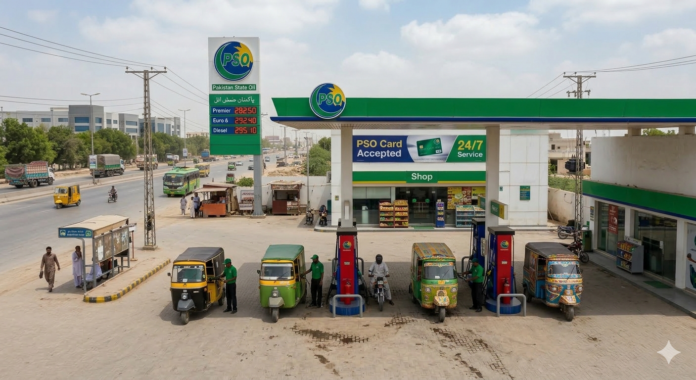
The federal government is actively working on a subsidized fuel scheme aimed at providing relief to motorcyclists and rickshaw drivers following a recent surge in petroleum prices. The proposed initiative is designed to reduce the financial burden on low-income commuters who rely heavily on fuel for their daily livelihoods.
The plan is currently under discussion at the policy level, with officials exploring ways to implement a targeted subsidy that benefits small vehicle users. Motorcycles and rickshaws are among the most widely used modes of transportation, particularly for working-class individuals, making them a key focus for relief measures.
Rising Fuel Prices Prompt Urgent Action
The move comes in response to a sharp increase in fuel prices, which has significantly impacted transportation costs and household budgets. The price hike is largely attributed to ongoing regional tensions and disruptions in global energy supply chains, which have pushed international oil prices higher.
As fuel costs rise, the effects are felt across multiple sectors of the economy, including transportation, logistics, and food supply. For daily wage earners and small-scale transport operators, the increase has made it increasingly difficult to sustain their operations.
The government’s proposed subsidy aims to cushion this impact by directly supporting those most affected by the price surge.
Focus on Low-Income and Vulnerable Groups
The planned subsidy scheme is expected to specifically target motorcyclists and rickshaw drivers, who represent a large segment of the population dependent on affordable fuel. These groups are particularly vulnerable to price fluctuations, as fuel expenses make up a significant portion of their daily earnings.
By focusing on small vehicle users, the government aims to ensure that relief measures are directed where they are needed most. This targeted approach is intended to maximize the effectiveness of the subsidy while minimizing fiscal pressure.
Officials are also reviewing models from provincial initiatives, which have implemented similar programs to provide relief to low-income transport users.
Fuel Reserves and Supply Situation
Amid concerns over rising prices, authorities have assured that the country currently has adequate fuel reserves to meet demand. Petrol stocks are sufficient for nearly four weeks, while diesel reserves can last for about three weeks under normal consumption levels.
In addition, supplies of jet fuel, crude oil, and liquefied natural gas are also available, although for shorter durations. These reserves are being carefully monitored to ensure uninterrupted supply and to prevent any potential shortages.
The government has emphasized that maintaining stable fuel availability remains a top priority, particularly in the face of global uncertainties.
Policy Adjustments to Ensure Availability
To further safeguard fuel supply, authorities have allowed the import of petroleum products that do not meet the highest environmental standards. This temporary measure is aimed at ensuring continuous availability of fuel in the domestic market during a period of heightened demand and supply disruptions.
While such imports may not align with long-term environmental goals, they are being considered necessary to address immediate challenges. The decision reflects a balance between maintaining supply stability and managing the economic impact of fuel shortages.
Officials have indicated that these measures are temporary and will be reviewed as the situation stabilizes.
Monitoring and Preventing Market Disruptions
The government is closely monitoring fuel stocks and market conditions to prevent hoarding and artificial shortages. Efforts are being made to ensure that supply chains remain smooth and that consumers have access to fuel at regulated prices.
Authorities have also taken steps to discourage hoarding, which can exacerbate price increases and create panic in the market. By maintaining strict oversight, the government aims to ensure transparency and fairness in fuel distribution.
Regular reviews of stock levels and consumption patterns are being conducted to anticipate potential challenges and respond proactively.
Energy Supply Challenges and LNG Disruptions
In addition to petroleum products, the country is facing challenges in the supply of liquefied natural gas. Disruptions in LNG imports have created uncertainty regarding future deliveries, raising concerns about energy availability for key sectors.
The reduction in gas supply to the power sector is already having an impact, potentially leading to increased reliance on alternative and more expensive energy sources. This situation could place additional pressure on the economy and further contribute to rising costs.
Officials are exploring options to secure additional LNG supplies, including spot market purchases, although these may come at a higher cost.
Economic Implications of Fuel Policies
The recent fuel price hike and the proposed subsidy plan highlight the complex nature of energy policy and its impact on the economy. While higher prices are sometimes necessary to manage supply and discourage hoarding, they can also place a heavy burden on consumers.
The introduction of a targeted subsidy represents an effort to strike a balance between economic realities and social welfare. By supporting vulnerable groups, the government aims to mitigate the negative effects of price increases while maintaining overall market stability.
However, the success of the subsidy program will depend on its implementation and the ability to ensure that benefits reach the intended recipients.
Future Outlook for Fuel Prices and Relief Measures
As global energy markets remain volatile, the outlook for fuel prices continues to be uncertain. The government is expected to closely monitor international developments and adjust its policies accordingly.
The proposed subsidy for motorcyclists and rickshaw drivers is likely to play a crucial role in providing short-term relief. At the same time, long-term strategies will be needed to reduce dependence on external energy sources and enhance domestic resilience.
By combining immediate support measures with broader policy reforms, the government aims to navigate current challenges and ensure sustainable energy management in the future.
Read More
Rice Exports Fall 35% in February Despite Government Subsidies