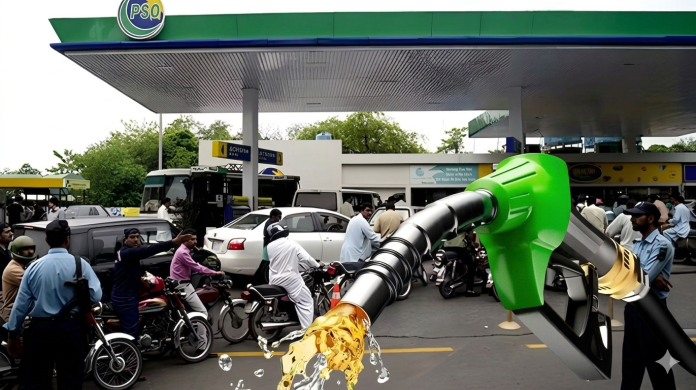

The government is generating significant daily revenue following the recent increase in the petrol levy. With fuel consumption remaining high across the country, the higher levy on petrol has become an important source of government income. The adjustment in the levy structure has created a noticeable impact on national revenue collection, particularly because petrol remains one of the most widely used fuel products.
Rising fuel demand across transportation, logistics, and personal travel continues to support strong petrol consumption levels. As a result, the government is able to collect millions of rupees each day through the increased levy applied to petrol prices.
Fuel Consumption Trends in Pakistan
Fuel consumption in Pakistan remains consistently high due to the country’s growing population, expanding transport sector, and increased economic activity. Daily consumption of petroleum products across the country reaches tens of millions of litres.
Petrol accounts for a significant portion of this consumption. Each day, thousands of tonnes of petrol are used by private vehicles, motorcycles, ride-hailing services, and commercial transport operations. This heavy reliance on petrol makes it one of the most critical energy products in the domestic market.
High-speed diesel also contributes a large share to total fuel consumption, especially in sectors such as agriculture, heavy transport, and industrial operations. However, petrol usage remains comparatively higher in urban areas where personal transportation dominates.
Increase in Petrol Levy
The recent revision in fuel pricing has resulted in a notable increase in the petrol levy. The government raised the levy on petrol by a substantial margin, increasing the amount collected per litre of fuel sold in the market.
This change means that every litre of petrol purchased by consumers now contributes a higher amount toward government revenue. Given the massive daily consumption of petrol nationwide, even a small increase in the levy can translate into millions of additional rupees collected each day.
The adjustment in the levy structure is part of broader fiscal efforts aimed at strengthening revenue streams and managing economic pressures. Fuel levies have historically served as a major component of government income due to the consistent demand for petroleum products.
Impact of Higher Petrol Consumption
The high demand for petrol is playing a crucial role in increasing government revenue after the levy adjustment. Since petrol consumption exceeds diesel consumption in many areas, the higher levy applied to petrol is generating substantial daily financial gains.
Urban transportation patterns largely depend on petrol-powered vehicles, including cars, motorcycles, and small commercial vehicles. This widespread use ensures that petrol sales remain steady even during periods of economic fluctuation.
Because of this sustained demand, the increased levy has amplified the revenue impact. Each litre of petrol sold contributes directly to the government’s income, making fuel consumption a key factor in fiscal performance.
Reduction in Diesel Levy
While the levy on petrol has been raised, the levy on high-speed diesel has been reduced. This adjustment aims to balance fuel costs in sectors where diesel plays a critical role, particularly in agriculture, freight transport, and industrial operations.
Lowering the diesel levy may help reduce operational costs for industries that depend heavily on diesel-powered machinery and transportation. This move is expected to ease financial pressure on sectors that contribute significantly to economic productivity.
By adjusting levies on different fuels, the government is attempting to manage revenue generation while also addressing economic needs across multiple sectors.
Economic Implications of Fuel Levies
Fuel levies remain one of the most consistent and reliable sources of government revenue. Because petroleum products are consumed daily across nearly every sector of the economy, levies on fuel generate steady income for public finances.
However, changes in fuel taxation can also influence transportation costs, inflation levels, and overall consumer spending. Higher petrol levies can increase operating costs for businesses and affect household budgets, particularly for individuals who rely heavily on personal vehicles.
At the same time, governments often rely on such levies to fund public services, infrastructure projects, and development programs. This makes fuel taxation an important but often debated component of economic policy.
Future Outlook
With fuel consumption expected to remain strong in the coming months, the increased petrol levy will likely continue contributing significantly to government revenue. As transportation demand grows and economic activity expands, petrol usage is expected to stay at high levels.
Future adjustments in fuel pricing and taxation will depend on economic conditions, energy market trends, and fiscal policy priorities. For now, the increased levy on petrol has become a major factor in boosting daily government revenue and supporting financial stability.
The continued reliance on fuel levies highlights the important role that energy consumption plays in shaping national economic policy and revenue generation.
Read More
Fareed Ahmed Tarrar Selected to Lead Competition Commission of Pakistan