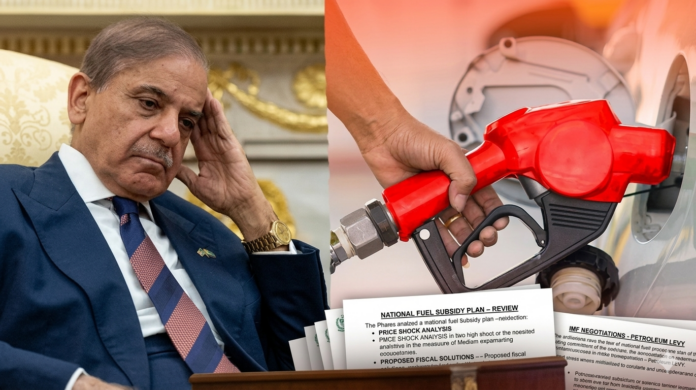

Government Keeps Fuel Prices Steady for Another Week
The federal government has once again decided to maintain petrol and diesel prices at existing levels, marking the second consecutive week of stability in fuel rates. This decision comes at a time when global oil markets remain highly volatile, placing significant pressure on domestic pricing policies. By holding prices steady, authorities aim to provide temporary relief to consumers already burdened by rising living costs.
Petrol will continue to be available at Rs. 321.17 per litre, while high-speed diesel remains priced at Rs. 335.86 per litre. The revised rates came into effect immediately from Saturday, ensuring no change for consumers despite strong upward pressure from international markets.
Decision Taken Despite Sharp Price Hike Recommendations
The move to keep fuel prices unchanged was made despite substantial recommendations for increases. Relevant authorities had proposed a significant hike, suggesting an increase of Rs. 95 per litre for petrol and Rs. 203 per litre for diesel. These proposed adjustments reflected the rising cost of imported fuel and the impact of global oil price fluctuations.
However, the leadership opted to reject these recommendations, prioritizing public relief over immediate fiscal adjustments. This decision highlights a deliberate effort to cushion consumers from sudden and steep increases that could further strain household budgets.
Massive Subsidy Burden on Government
To maintain the current fuel prices, the government has decided to absorb a subsidy of Rs. 56 billion. This financial burden reflects the gap between actual fuel import costs and the prices charged to consumers. While this approach provides short-term relief, it also raises concerns about long-term fiscal sustainability.
Since the introduction of weekly price revisions, the cumulative subsidy provided has reached approximately Rs. 125 billion. This substantial figure underscores the scale of financial support being extended to keep fuel prices stable amid challenging economic conditions.
Balancing Public Relief and Economic Pressures
The decision to maintain fuel prices is part of a broader effort to balance economic stability with public welfare. Rising fuel costs have a direct impact on transportation, food prices, and overall inflation. By controlling fuel prices, the government aims to prevent a ripple effect across various sectors of the economy.
At the same time, maintaining subsidies places additional pressure on public finances. Authorities must carefully manage this balance to ensure that short-term relief does not lead to long-term economic challenges.
Previous Price Freeze Provided Temporary Relief
A similar decision was made in the previous week when fuel prices were kept unchanged as part of a broader relief effort during a major festive period. This move was widely seen as an attempt to ease financial stress on households during a time of increased spending.
Despite ongoing global trade disruptions and rising energy costs, the government chose to prioritize stability. The continuation of this approach into a second week signals a consistent policy stance aimed at supporting consumers.
Recent Trends in Fuel Price Adjustments
Over the past several review cycles, fuel prices have shown a mixed trend. Out of the last five price reviews, rates were increased in three instances, reflecting the upward pressure from international markets. These increases highlight the challenges faced in maintaining stable prices in a rapidly changing global environment.
The decision to pause further increases for two consecutive weeks indicates a temporary shift in approach, focusing on relief rather than immediate cost recovery.
Impact of Global Market Volatility
Global oil price fluctuations continue to play a significant role in shaping domestic fuel pricing decisions. Supply chain disruptions, geopolitical tensions, and changes in demand have all contributed to uncertainty in energy markets. These factors have made it increasingly difficult to maintain stable prices without government intervention.
As a result, policymakers are forced to continuously evaluate pricing strategies to respond effectively to external pressures while minimizing the impact on consumers.
Challenges of Sustaining Subsidy Policies
While subsidies offer immediate relief, they are not a sustainable long-term solution. The growing financial burden associated with maintaining lower fuel prices can strain government resources and limit spending in other critical areas such as infrastructure, health, and education.
Experts suggest that while short-term measures are necessary during periods of economic stress, a more balanced and sustainable approach will be required in the future. This may include gradual price adjustments, improved energy efficiency, and diversification of energy sources.
Outlook for Future Fuel Pricing Decisions
Looking ahead, fuel pricing decisions will likely remain influenced by global market conditions and domestic economic priorities. The government may continue to adopt a cautious approach, weighing the benefits of public relief against the need for fiscal discipline.
As economic conditions evolve, policymakers will need to explore strategies that ensure both affordability for consumers and long-term financial stability. The coming weeks will be crucial in determining whether the current trend of price stability can be maintained or if adjustments will become unavoidable.
Overall, the decision to keep petrol and diesel prices unchanged for a second consecutive week reflects a strong commitment to consumer relief, even as economic challenges continue to mount.
Read More
Pakistan-Tajikistan Trade Agreement Faces Further Delay Due to Customs Issues