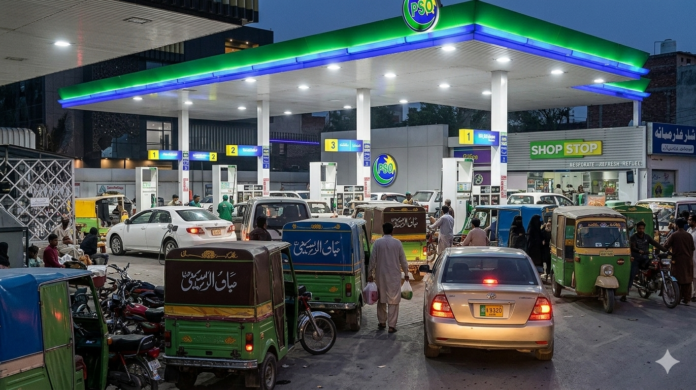

BOLD GOVERNMENT MOVES TO EASE FUEL BURDEN ON COMMON COMMUTERS
The government is working on a major relief plan aimed at reducing the financial pressure of rising fuel prices on bikers and rickshaw drivers. As global oil prices continue to climb, authorities are exploring ways to cushion the impact on daily commuters who rely heavily on two- and three-wheeled vehicles for transportation and income. This initiative reflects a broader effort to provide targeted support to segments of the population most affected by increasing fuel costs.
The proposal focuses on offering direct relief to motorcyclists and rickshaw owners, who form a significant portion of the country’s transport network. These groups are particularly vulnerable to fuel price fluctuations, as their daily earnings and mobility depend heavily on affordable petrol.
BOLD MASSIVE SUBSIDY PLAN UNDER CONSIDERATION
At the center of the proposal is a large-scale subsidy program estimated to cost around Rs. 300 billion over a six-week period. The government has reached out to provincial administrations for financial support to help implement this ambitious plan. Provinces have been asked to contribute a substantial share of the required funds, highlighting the scale and urgency of the initiative.
The subsidy is being designed as a short-term relief measure to address immediate economic pressures. By distributing the financial burden across federal and provincial levels, the government aims to make the program more sustainable while ensuring timely implementation.
BOLD TARGETED RELIEF FOR TWO- AND THREE-WHEELERS
The proposed subsidy program is expected to focus initially on motorcycles and auto-rickshaws. This targeted approach ensures that assistance reaches those who need it the most, rather than applying a broad subsidy that could strain public finances. By narrowing the scope, policymakers aim to maximize the impact of the relief while maintaining fiscal discipline.
Motorcycle users and rickshaw drivers represent a large segment of the working population, including daily wage earners, delivery workers, and small business operators. Providing them with fuel relief could help stabilize incomes and reduce the overall cost of transportation services.
BOLD TWO KEY OPTIONS UNDER REVIEW
Officials are currently evaluating two main approaches to address rising fuel prices. The first option involves passing the full impact of international oil price increases directly to consumers. While this approach aligns with market-based pricing, it could significantly increase the financial burden on ordinary citizens.
The second option under consideration is a targeted subsidy system that would provide limited quantities of fuel at reduced rates. Under this plan, motorcyclists could receive subsidized quotas of up to 20 litres, while rickshaw drivers could benefit from up to 30 litres. This method aims to balance affordability with fiscal responsibility by limiting the amount of subsidized fuel per user.
Each option presents its own advantages and challenges, and the final decision will depend on economic feasibility, budgetary constraints, and the overall impact on the public.
BOLD HIGH-LEVEL DECISION EXPECTED SOON
A final decision on the subsidy program is expected after a high-level meeting involving top government leadership and provincial representatives. This meeting will play a crucial role in determining the structure, scale, and implementation timeline of the relief package.
The involvement of key stakeholders indicates the importance of the issue and the need for a coordinated approach. The outcome of these discussions will shape the government’s strategy for managing fuel prices and supporting vulnerable groups in the coming weeks.
BOLD ADEQUATE FUEL RESERVES PROVIDE TEMPORARY RELIEF
In addition to the proposed subsidy, official data suggests that current fuel reserves are sufficient to meet domestic demand for the near future. This provides some breathing room for policymakers as they finalize the details of the relief plan.
Having adequate reserves ensures that supply disruptions are unlikely in the short term, allowing the government to focus on addressing pricing concerns rather than availability. This stability is essential for maintaining public confidence and preventing panic in the market.
BOLD ECONOMIC IMPACT AND PUBLIC EXPECTATIONS
The proposed subsidy program is expected to have a significant impact on the economy, particularly in terms of reducing transportation costs and supporting small-scale earners. Lower fuel expenses can translate into more affordable goods and services, benefiting a wide range of consumers.
However, the plan also raises questions about long-term sustainability and fiscal management. Balancing immediate relief with economic stability will be a key challenge for policymakers. Ensuring that the subsidy reaches the intended beneficiaries without misuse will also be critical to the program’s success.
BOLD A CRUCIAL STEP TOWARD TARGETED RELIEF
The government’s initiative to provide fuel relief to bikers and rickshaw drivers represents a focused effort to address the challenges posed by rising energy costs. By considering targeted subsidies and engaging provincial partners, authorities are working toward a solution that supports vulnerable groups while managing financial constraints.
As discussions continue and a final decision approaches, the proposed plan stands as a significant step toward easing the burden on millions of commuters and workers who depend on affordable fuel for their livelihoods.
Read More
FBR to Examine Its Own Reward Rs. 48.4 Crore Payments After AGP Raises Concerns