
Government Moves Forward with Digital Fuel Subsidy Initiative
In a significant step toward addressing the ongoing energy crisis, the government is advancing plans to roll out a nationwide fuel subsidy system powered by a dedicated mobile application. As part of this initiative, authorities are set to procure 24,000 mobile phones that will be deployed across petrol pumps to manage and distribute subsidized fuel efficiently. This move reflects a broader strategy to leverage technology in delivering targeted relief to consumers while maintaining transparency and control over fuel distribution.
The introduction of a digital system aims to streamline subsidy delivery, reduce misuse, and ensure that benefits reach eligible individuals in a structured manner. By integrating mobile technology into the process, the government is seeking to modernize traditional fuel distribution methods and bring greater accountability to the system.
Large-Scale Procurement to Support Nationwide Rollout
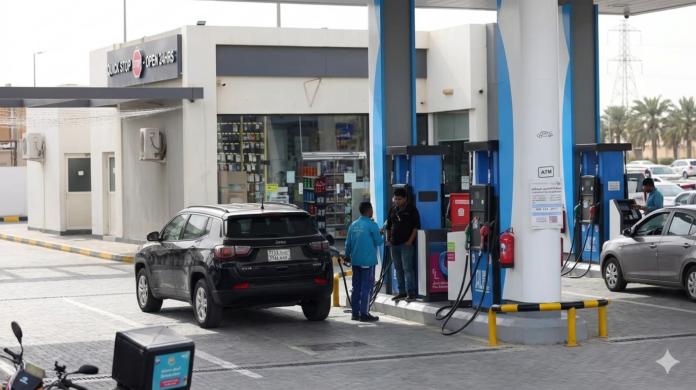
To support the implementation of the fuel subsidy application, a large-scale procurement of mobile devices is being planned. A total of 24,000 phones will be distributed across approximately 12,000 petrol pumps nationwide. Each pump will be equipped with two devices, corresponding to designated fuel nozzles that will handle subsidized petrol transactions.
These devices will play a critical role in ensuring that the subsidy program operates smoothly. They will be used by fuel station staff to verify user eligibility, process transactions, and manage digital vouchers issued through the system. The requirement that all devices must meet regulatory approval standards ensures compatibility, security, and reliability throughout the network.
Role of Institutions in Implementation
The implementation of this initiative involves coordination among multiple stakeholders. The National IT Board has been tasked with determining the pricing and technical specifications of the mobile devices, ensuring that they meet operational requirements while remaining cost-effective.
Meanwhile, oil marketing companies will take responsibility for procuring the devices and distributing them to petrol pumps. This collaborative approach ensures that both the technological and operational aspects of the program are managed efficiently. By involving key industry players, the government aims to create a seamless system that integrates technology with existing fuel distribution infrastructure.
Fuel Subsidy App Nearing Completion
The mobile application at the center of this initiative has already been developed and is currently undergoing final testing. Once launched, it will serve as the primary platform for managing the subsidy program. The app is designed to issue digital vouchers to eligible users, allowing them to access subsidized fuel in a controlled and transparent manner.
Through this system, users will receive allocations based on predefined criteria, and transactions will be recorded digitally to prevent misuse. The use of digital vouchers eliminates the need for manual processes, reducing the chances of fraud and ensuring accurate tracking of subsidy distribution.
Proposed Subsidy Structure for Consumers
The government is considering a structured approach to fuel subsidies, with a focus on supporting motorcycle owners. Under the proposed plan, eligible users may receive up to 20 liters of subsidized petrol per month. This measure is intended to provide relief to a large segment of the population that relies on motorcycles for daily commuting.
Discussions are also ongoing بشأن extending the subsidy to small cars with engine capacities up to 800cc. However, a final decision on this aspect has yet to be made. Regardless of the category, strict limits will be enforced to ensure that users do not exceed their allocated quotas, maintaining fairness and sustainability within the program.
Ensuring Transparency and Accountability
One of the key objectives of the fuel subsidy app is to enhance transparency in the distribution process. To achieve this, monitoring mechanisms have already been put in place at petrol pumps across the country. These measures are designed to track transactions, verify compliance, and identify any irregularities in real time.
The use of mobile devices and digital records allows authorities to maintain a comprehensive overview of the system. This level of oversight is expected to minimize the risk of corruption and ensure that subsidies are distributed fairly among eligible users.
Addressing the Energy Crisis with Innovative Solutions
The launch of this initiative comes at a time when the country is facing significant energy challenges. Rising fuel prices and supply constraints have created economic pressure on both consumers and businesses. In response, the government is exploring multiple strategies to manage the situation and provide relief where possible.
The fuel subsidy app represents one such solution, combining technology with targeted assistance to address immediate concerns. By focusing on efficiency and accountability, the program aims to maximize the impact of available resources while minimizing waste.
Contingency Planning for Future Challenges
In addition to immediate measures, authorities are also preparing contingency plans to address potential future disruptions. These plans are particularly important in light of regional uncertainties that could further impact energy supplies and prices.
By developing flexible strategies and leveraging digital tools, the government aims to remain prepared for a range of scenarios. This proactive approach is essential for maintaining stability in an unpredictable environment and ensuring that critical services continue without interruption.
Digital Transformation in Public Service Delivery
The introduction of a mobile-based fuel subsidy system highlights the growing role of digital transformation in public service delivery. By adopting technology-driven solutions, the government is not only addressing current challenges but also laying the groundwork for more efficient systems in the future.
This shift toward digital platforms can improve service accessibility, reduce administrative burdens, and enhance user experience. It also aligns with broader efforts to modernize infrastructure and promote innovation across sectors.
Conclusion: A Step Toward Smarter Subsidy Management
The plan to procure 24,000 mobile phones for the fuel subsidy app rollout marks a significant step in modernizing subsidy distribution and addressing the ongoing energy crisis. By integrating technology into the process, the government is aiming to create a system that is efficient, transparent, and responsive to consumer needs.
As the initiative moves closer to full implementation, its success will depend on effective coordination, user adoption, and continuous monitoring. If executed well, this program could serve as a model for future digital solutions in public policy, helping to deliver targeted relief while ensuring accountability and sustainability.
Read More
World Bank Alerts on Rising Commodity Prices Amid Middle East Conflict