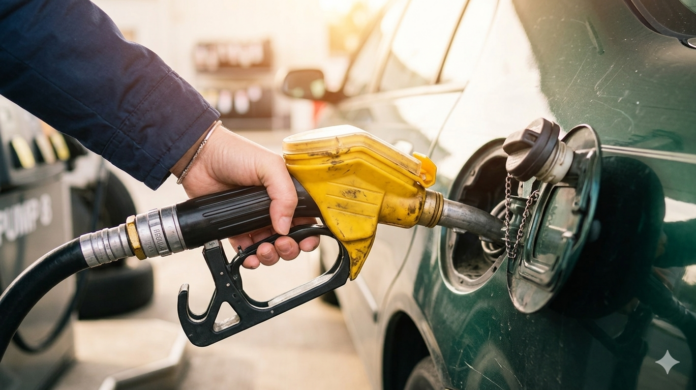

Govt Moves Toward Digital Fuel Rationing System
The federal government is preparing to roll out a digital system aimed at regulating the distribution of petrol and diesel through a dedicated mobile application. This initiative marks a significant shift toward technology-driven governance, designed to manage rising fuel consumption while controlling the growing financial burden of subsidies. The move comes at a time when increasing fuel demand and fiscal constraints are pushing policymakers to explore smarter and more sustainable solutions.
The proposed system will allow authorities to monitor and regulate fuel usage more effectively by assigning specific quotas to registered users. By digitizing the allocation process, the government aims to bring transparency, efficiency, and accountability to the fuel distribution mechanism.
Mobile Application to Assign Fuel Quotas to Consumers
Under the proposed plan, consumers will be required to register on the mobile application using their vehicle registration number and national identity card details. Once registered, users will be allocated a daily petrol or diesel quota based on their usage patterns, vehicle type, and fuel availability.
This quota-based system is intended to ensure fair distribution while preventing excessive consumption. Users will only be able to purchase fuel within their assigned limits, making the process more structured and controlled. The digital platform will also help authorities track real-time data on fuel usage, enabling better policy decisions and resource management.
Rising Fuel Consumption Drives Policy Shift
The decision to introduce a digital fuel rationing system follows an in-depth review of petroleum consumption trends over the past year. Despite rising fuel prices, overall consumption has continued to increase, placing additional strain on imports and government finances.
This trend has raised concerns among policymakers, as higher consumption not only increases the country’s import bill but also amplifies the cost of subsidies. The digital quota system is therefore being seen as a necessary step to curb unnecessary usage while promoting more responsible consumption habits among the public.
Government Seeks Broader Financial Support for Subsidies
Alongside the digital initiative, the government is also working to expand the financial responsibility of fuel subsidies by involving provincial administrations. Discussions are underway to create a shared framework in which provinces contribute to the overall subsidy pool, reducing the financial pressure on the federal government.
This approach reflects a collaborative strategy aimed at distributing the economic burden more evenly across different levels of government. By engaging provincial stakeholders, authorities hope to build a more sustainable subsidy model that can withstand ongoing fluctuations in global fuel prices.
Significant Subsidy Spending Highlights Urgency
The government has already allocated a substantial amount in fuel subsidies to support consumers amid rising costs. While these measures have provided short-term relief, they have also significantly impacted national finances.
The increasing subsidy expenditure underscores the urgency of implementing reforms that can reduce dependency on broad-based financial support. The digital fuel quota system is expected to play a key role in achieving this objective by ensuring that subsidies are utilized more efficiently and targeted toward those who need them most.
Technology-Driven Transparency and Accountability
One of the key advantages of the proposed mobile application is its potential to enhance transparency in fuel distribution. By maintaining a centralized digital record of all transactions, the system can minimize misuse and ensure that allocated quotas are used appropriately.
Additionally, the app will provide valuable insights into consumption patterns, helping authorities identify trends and adjust policies accordingly. This data-driven approach is expected to improve overall governance and make the fuel management system more responsive to changing economic conditions.
Balancing Consumer Needs and Economic Stability
The introduction of fuel quotas represents a delicate balancing act between protecting consumers and maintaining economic stability. While the system may impose limits on daily fuel purchases, it is designed to ensure equitable access for all users, particularly during periods of supply constraints or price volatility.
At the same time, the initiative aims to reduce the fiscal burden associated with uncontrolled subsidies, allowing the government to allocate resources more effectively across other critical sectors. This balanced approach is crucial for achieving long-term economic sustainability.
Potential Impact on Daily Life and Mobility
The implementation of a digital fuel quota system is likely to have a noticeable impact on daily life, particularly for individuals who rely heavily on private transportation. Consumers may need to plan their travel more carefully to stay within their allocated limits.
However, the system could also encourage more efficient fuel usage and promote alternative modes of transportation. Over time, this shift may contribute to reduced congestion, lower emissions, and a more sustainable energy landscape.
Future Outlook for Digital Fuel Management
As the government moves forward with its plans, the success of the digital fuel quota system will depend on effective implementation, user adoption, and continuous monitoring. Ensuring ease of use and accessibility for all segments of society will be critical to achieving the desired outcomes.
The initiative represents a forward-looking approach to managing energy resources in a challenging economic environment. By leveraging technology and adopting targeted policies, the government aims to create a more resilient and efficient fuel distribution system that can adapt to future demands.
Read More