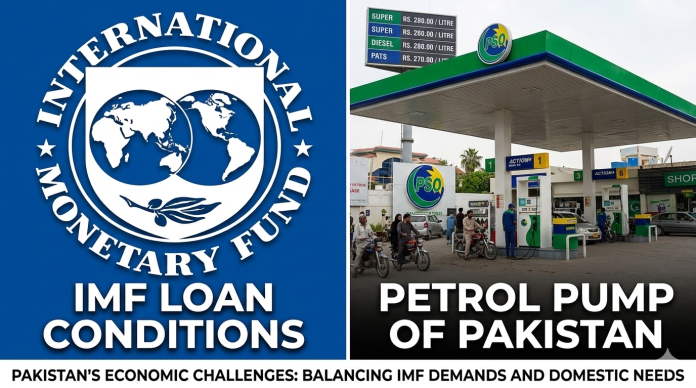

Pakistan is facing increasing pressure to reflect rising fuel costs directly in domestic prices as global energy markets remain volatile. During recent discussions with international financial authorities, the government was advised to immediately pass on higher petroleum prices to consumers instead of introducing subsidies on petrol and diesel.
The recommendation comes at a time when Pakistan is closely monitoring global energy trends and assessing how rising prices and supply disruptions may affect the country’s economy. Authorities are also reviewing policies aimed at maintaining fiscal discipline while managing the potential impact on consumers.
Officials involved in the discussions emphasized the importance of allowing domestic fuel prices to adjust according to global market movements. This approach is intended to prevent additional financial pressure on the national budget.
Focus on Petroleum Levy Collection
Another key topic during the discussions was Pakistan’s progress in collecting revenue through the petroleum development levy. The government has set a target of collecting Rs. 1.468 trillion through the levy by the end of the fiscal year.
According to available figures, the country has already collected approximately Rs. 822 billion during the first half of the fiscal year, covering the period from July to December. This amount represents more than sixty percent of the annual target.
Meeting this revenue goal is considered an important part of the government’s financial planning. The levy plays a significant role in generating funds that support fiscal stability and government spending commitments.
Officials stressed the need for consistent policy implementation to ensure the remaining target is achieved by the end of the financial year.
Discussions on Energy Conservation Measures
Alongside fuel pricing policies, authorities also discussed possible strategies to reduce energy consumption across the country. These measures are being evaluated as part of broader efforts to limit fuel usage and manage pressure on the current account.
One of the proposals under consideration involves shifting schools and colleges to online classes during the initial phase of a fuel conservation plan. By reducing daily transportation requirements, the measure could help lower overall fuel consumption.
Another proposal involves introducing flexible or smart working arrangements for universities and government offices. Such policies could reduce commuting and decrease demand for fuel in major urban centers.
These measures are currently under review, and authorities are evaluating their feasibility and potential impact before making final decisions.
Possible Restrictions on Business Operating Hours
Officials are also considering the introduction of fixed operating hours for shops and markets as part of the broader fuel-saving strategy. By limiting business hours, the government hopes to reduce energy consumption associated with transportation, lighting, and other commercial activities.
In addition, restaurants and grocery stores may be encouraged to expand delivery services. This approach could reduce the number of individual trips made by consumers while ensuring that businesses continue to operate efficiently.
Such changes are intended to help manage energy demand during a period of uncertainty in global fuel supplies.
Global Energy Uncertainty Raises Concerns
The discussions come at a time when international energy markets are facing heightened uncertainty. Escalating tensions in the Middle East have disrupted shipping routes and created concerns about the stability of global oil supplies.
One of the most critical maritime routes for energy shipments carries a significant portion of the world’s seaborne crude oil as well as large quantities of liquefied natural gas. Any disruption along this route can have a major impact on global energy prices and supply chains.
For countries that rely heavily on imported fuel, these developments pose significant economic challenges. Pakistan is closely monitoring the situation to determine how potential supply disruptions might affect its energy security.
Work-From-Home Option Under Review
As part of the national fuel conservation plan, policymakers are also considering introducing work-from-home arrangements for certain sectors. Remote work policies could help reduce daily commuting and decrease fuel demand across major cities.
If global energy supply disruptions intensify, authorities may implement these measures on a broader scale. The goal would be to reduce fuel consumption while maintaining productivity in key government and institutional functions.
A detailed strategy outlining these potential measures is expected to be presented to the government in the near future. The plan will likely include various options aimed at conserving fuel, stabilizing energy consumption, and managing the economic impact of rising global energy prices.
Outlook for Fuel Policy
Pakistan’s fuel pricing and energy management strategies will play a crucial role in the coming months as global market conditions remain uncertain. By aligning domestic prices with international trends and implementing conservation measures, policymakers hope to maintain economic stability while navigating external challenges.
The government is expected to continue consultations with relevant institutions and experts as it finalizes its approach to fuel pricing, energy efficiency, and fiscal management in the evolving global energy environment.
Read More