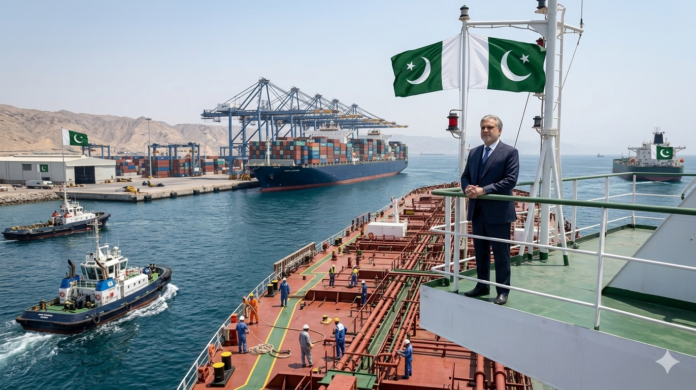

BOLD DIPLOMATIC BREAKTHROUGH IN STRATEGIC WATERS
Iran has granted clearance for 20 Pakistan-flagged ships to cross the Strait of Hormuz, marking a significant diplomatic and economic development amid ongoing regional tensions. The decision reflects a carefully measured approach, allowing friendly nations to maintain access to one of the world’s most important maritime routes while ensuring strategic control over regional waters. At a time when global shipping has faced disruptions due to conflict, this move stands out as a positive signal for cooperation and stability.
BOLD STRUCTURED TRANSIT PLAN ENSURES SMOOTH PASSAGE
The arrangement outlines a structured system under which two Pakistani vessels will be allowed to pass through the strait each day. This controlled flow helps prevent congestion while maintaining oversight in a region that has recently experienced heightened security concerns. The Strait of Hormuz is a crucial passage for global oil shipments, connecting major energy-producing regions to international markets. Any disruption in this narrow waterway can have widespread consequences for global trade and energy prices. By implementing a phased transit plan, the authorities aim to balance operational efficiency with regional security needs.
BOLD POSITIVE SIGNAL FOR REGIONAL STABILITY AND COOPERATION
This development is being viewed as a constructive and forward-looking gesture that could help ease tensions in the region. Allowing Pakistani vessels to pass safely indicates a willingness to engage diplomatically and maintain economic cooperation despite broader geopolitical challenges. Such actions are often seen as confidence-building measures that can encourage further dialogue among nations. Stability in this strategic corridor is essential not only for nearby countries but also for the global economy, as it directly impacts oil supply chains and international shipping routes.
BOLD SUCCESSFUL TRANSITS HIGHLIGHT PRACTICAL IMPACT
The agreement is already producing tangible results, with at least two Pakistani ships successfully navigating the strait since the conflict began. One vessel transported a large shipment of crude oil from the United Arab Emirates to Pakistan, ensuring continuity in energy supply. Another ship carried oil from Saudi Arabia to Pakistan, demonstrating that the arrangement is actively supporting trade operations. These successful crossings highlight the effectiveness of coordination efforts and reinforce confidence among shipping operators who depend on safe and reliable passage through the region.
BOLD CRUCIAL BOOST FOR ENERGY SECURITY AND ECONOMIC STABILITY
For Pakistan, uninterrupted access to energy supplies is critical for sustaining economic growth and meeting domestic demand. The clearance of these vessels ensures that essential imports, particularly crude oil, continue to reach the country without major delays. This helps prevent supply shortages and stabilizes fuel prices, which can otherwise fluctuate sharply during periods of uncertainty. On a broader scale, maintaining steady traffic through the Strait of Hormuz contributes to global energy security by ensuring that oil continues to flow to international markets without significant disruption.
BOLD DIPLOMATIC ENGAGEMENT PAVES THE WAY FOR FUTURE PROGRESS
The decision also reflects ongoing diplomatic engagement and effective communication between the concerned countries. It underscores the importance of maintaining dialogue even during challenging times, as such efforts can lead to practical solutions that benefit all parties involved. As international discussions continue regarding safe navigation in the region, this arrangement could serve as a model for future agreements aimed at protecting global shipping interests. It demonstrates that cooperation remains possible and that strategic compromises can lead to mutually beneficial outcomes.
BOLD A STEP TOWARD RESTORING CONFIDENCE IN GLOBAL SHIPPING
The clearance granted to Pakistan-flagged ships represents more than just a logistical adjustment; it is a meaningful step toward restoring confidence in one of the world’s most vital trade routes. By facilitating controlled and secure passage, the move supports economic resilience, strengthens regional ties, and contributes to broader efforts aimed at maintaining peace and stability. While uncertainties remain, this development offers a hopeful indication that collaborative approaches can help navigate complex geopolitical challenges and ensure the continued flow of global trade.
Read More
Pakistan Secures Staff-Level Deal With IMF for $1.2 Billion Funding Tranche