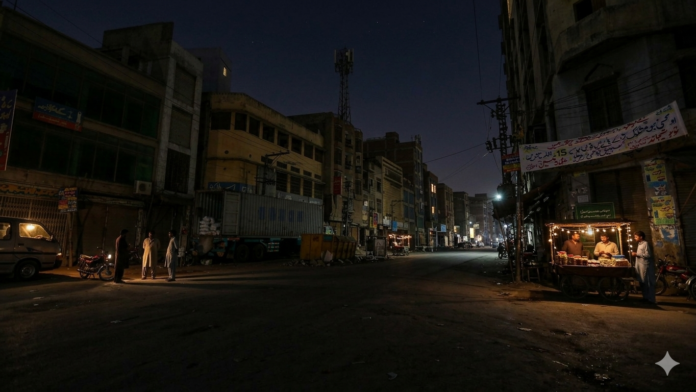

PAKISTAN FACES MOUNTING ENERGY CRISIS AHEAD OF SUMMER
Pakistan is preparing for a challenging summer as a significant shortage of liquefied natural gas threatens to disrupt electricity generation and strain the national power system. With demand expected to surge during the hotter months, authorities are evaluating emergency measures including rolling blackouts, higher electricity tariffs, and strict energy conservation policies.
The situation has been exacerbated by geopolitical tensions affecting fuel supply routes, creating uncertainty around energy imports. As a result, the country’s power sector is under increasing pressure to maintain stability while managing limited resources.
DECLINING LNG SUPPLIES RAISE SERIOUS CONCERNS
Liquefied natural gas plays a crucial role in Pakistan’s energy mix, contributing more than one-fifth of total electricity generation. However, imports are projected to fall sharply, potentially reaching near zero in the coming months. This sudden drop is expected to leave a substantial gap in power production capacity, especially during peak demand periods.
The decline in LNG availability comes at a time when the country is already facing constraints in other fuel sources. Imported and domestic coal supplies, which together make up a significant portion of electricity generation, are also expected to remain limited. These overlapping shortages are intensifying concerns about the reliability of power supply during the summer season.
RELIANCE ON COSTLY ALTERNATIVE FUELS INCREASES BURDEN
To compensate for the LNG shortfall, authorities are turning to furnace oil as an alternative fuel for electricity generation. While this option provides a temporary solution, it comes at a significantly higher cost. Electricity generated from furnace oil is considerably more expensive compared to LNG and coal, putting additional financial strain on the power sector.
Recent disruptions in key global oil supply routes have further driven up furnace oil prices, making it an even less sustainable option. The increased reliance on such expensive fuels is expected to lead to higher electricity tariffs, which could impact both households and businesses.
High-speed diesel, another potential backup fuel, remains largely impractical for power generation due to its extremely high cost. Its demand in essential sectors such as transport and agriculture further limits its availability for electricity production.
UNDERUTILIZED POWER PLANTS AND RISING COST PRESSURES
A major concern arising from the LNG shortage is the underutilization of several high-efficiency power plants designed to run on gas. These facilities, with a combined capacity of around 5,000 megawatts, may remain idle or operate below optimal levels due to fuel unavailability.
This inefficiency not only reduces overall electricity generation but also increases the cost per unit of power produced. As a result, fuel cost adjustments are expected to rise significantly, adding further pressure on consumers already dealing with inflation and rising living expenses.
Passing these increased costs fully onto consumers may prove difficult, particularly for industries that rely heavily on affordable electricity to remain competitive. Export-oriented sectors could face additional challenges if energy costs continue to escalate.
PEAK DEMAND EXPECTED TO STRAIN POWER SYSTEM
Electricity demand in Pakistan typically rises sharply during the summer, reaching peak levels of up to 28,000 megawatts. In contrast, current demand levels remain much lower, highlighting the scale of the challenge ahead.
While the growing adoption of rooftop solar systems has helped reduce daytime demand on the national grid, it has not eliminated the problem. Evening peak hours continue to place heavy pressure on the system, especially when solar generation declines.
To manage this imbalance, authorities are preparing to implement controlled load-shedding, with outages potentially lasting several hours per day depending on fuel availability. These measures are aimed at preventing a complete system breakdown while ensuring a minimum level of supply across regions.
GAS SUPPLY SHORTAGES ADD TO THE CHALLENGE
The shortage of natural gas is another critical factor contributing to the energy crisis. Supplies allocated for power generation are expected to decline significantly, further limiting the ability of gas-based plants to operate efficiently.
To address this issue, the government is considering reallocating gas from other sectors. This may include suspending supply to certain industries and diverting resources from sectors such as fertilizers to prioritize electricity generation.
Such decisions, while necessary, could have ripple effects across the economy, affecting industrial output and agricultural productivity.
COAL SUPPLY DISRUPTIONS THREATEN ADDITIONAL CAPACITY
In addition to LNG and gas shortages, logistical challenges in coal transportation are posing further risks to power generation. Disruptions in rail transport have affected the delivery of coal to major power plants, reducing their operational capacity.
Some facilities have limited fuel reserves, sufficient for only a few days of operation. Any further delays in supply could result in additional load-shedding, compounding the existing power shortfall.
Efforts are being made to shift coal transportation to alternative methods such as trucking, but these solutions are expected to increase costs. Higher logistics expenses will likely translate into increased electricity tariffs for consumers.
GOVERNMENT PREPARES EMERGENCY MEASURES
To navigate the crisis, the government is developing a comprehensive strategy that includes load management, fuel diversification, and demand-side controls. These measures are designed to balance supply and demand while minimizing disruptions to daily life and economic activity.
Mandatory energy conservation campaigns may be introduced to encourage reduced consumption, particularly during peak hours. At the same time, adjustments to electricity tariffs through fuel cost mechanisms are expected to reflect the rising cost of generation.
CONCLUSION
Pakistan is heading into a critical period as energy shortages threaten to disrupt power supply during the peak summer season. The decline in LNG imports, combined with constraints in other fuel sources, has created a complex challenge for the country’s power sector.
While the government is taking steps to manage the situation, the likelihood of higher tariffs and load-shedding remains high. Addressing these challenges will require not only short-term measures but also long-term strategies to ensure a more resilient and sustainable energy system.
Read More
Engro Holdings Announces Plan to Repurchase Up to 45 Million Shares