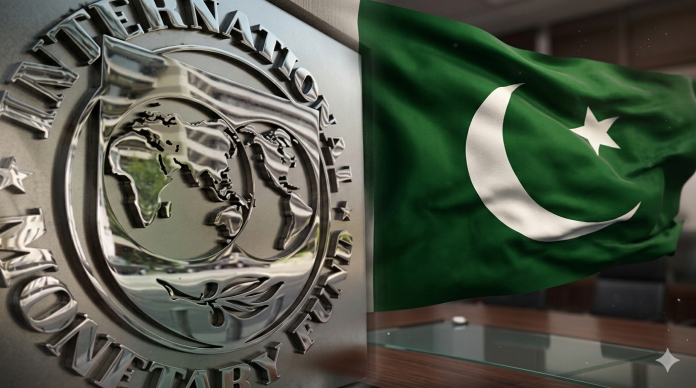

Pakistan has declined an offer from the International Monetary Fund (IMF) to send a technical assistance mission to support the implementation of 142 governance and anti-corruption reforms tied to the country’s $7 billion bailout program. The decision was conveyed during the ongoing review of the financial assistance package, with officials stating that the country has sufficient internal capacity to execute the reforms independently.
Government Confident in Internal Capacity
Officials from the Finance Ministry informed the IMF that Pakistan’s institutions and administrative structure are capable of implementing the agreed reform agenda without external technical support. While acknowledging the IMF’s offer, authorities maintained that domestic expertise and oversight mechanisms are adequate to carry forward the governance overhaul.
The reform plan includes 59 priority actions and 83 additional measures that the government has committed to complete over the next three years. These reforms stem from a Governance and Corruption Diagnostic Assessment conducted as part of the bailout arrangement. The plan was formally unveiled by Prime Minister Shehbaz Sharif as a central pillar of the broader economic stabilization strategy.
Limited External Assistance Sought
Although Pakistan rejected the IMF’s technical mission, the government has sought assistance from the United Kingdom’s Foreign and Commonwealth Development Office for selected components of the reform agenda. This suggests a preference for targeted support rather than broad-based external oversight.
The implementation process is being supervised by a dedicated government team that includes Musharraf Rasool Cyan, who is responsible for coordinating efforts across relevant ministries and departments.
Delayed Diagnostic Report and Loan Conditions
The corruption diagnostic report that forms the foundation of the reform agenda was released approximately two months later than initially expected. Its publication became a necessary condition before the IMF approved further loan disbursements under the bailout arrangement.
Under the terms of the program, Pakistan must demonstrate measurable progress on governance reforms to secure successive financial tranches. The reform commitments are considered critical to restoring macroeconomic stability, strengthening investor confidence, and improving fiscal management.
Formation of Oversight Committees
To ensure effective monitoring and coordination, the government has established three separate committees focused on economic management, tax administration, and anti-corruption and anti-money laundering efforts. These committees are chaired by Planning Minister Ahsan Iqbal, the finance minister, and the law minister, respectively.
Their mandate includes tracking implementation progress, addressing institutional bottlenecks, and ensuring alignment with international best practices. By distributing responsibility across specialized committees, the government aims to strengthen accountability and maintain reform momentum.
Concerns Over Enforcement
An assessment by the Global Think Tank Network described the diagnostic report as analytically strong but raised concerns about weak enforcement mechanisms. The review noted that some politically sensitive reforms appeared diluted, potentially limiting their long-term effectiveness.
Such concerns highlight the broader challenge of translating policy commitments into concrete and sustained action, particularly in areas where political and bureaucratic resistance may arise.
Strengthening Transparency and AML Framework
As part of its commitments, Pakistan has pledged to enhance money laundering investigations, improve suspicious transaction reporting systems, and increase institutional transparency. One key initiative includes publishing asset declarations of senior civil servants starting in 2026, with a system of risk-based verification to ensure compliance and credibility.
These measures are intended to align Pakistan’s governance standards with global norms and improve public trust in state institutions.
Ongoing Virtual Discussions
Talks between Pakistan and the IMF are currently being held virtually after the IMF review mission departed from the country due to security concerns. During discussions, the IMF urged the government to publish quarterly progress reports detailing reform implementation. However, officials have indicated that they may instead release progress updates twice a year on the ministry’s official website.
As negotiations continue, Pakistan’s approach reflects an effort to balance reform commitments with institutional autonomy while maintaining access to critical financial support.
Read More
Pakistan Moves Swiftly to Secure Gas After Qatar LNG Supply Disruption