
Pakistan Moves to Lift Longstanding Diesel Import Restrictions
Pakistan has temporarily lifted a nearly decade-long ban on the import of lower-grade high-speed diesel in a strategic move to ensure sufficient fuel availability ahead of the crucial harvest season. The decision reflects growing concerns over supply constraints, rising international prices, and the urgent need to support agricultural activities during peak demand months.
Authorities have taken this step to stabilize the fuel market and avoid potential disruptions that could impact farming operations. With the harvest season approaching, diesel consumption is expected to surge, particularly in rural areas where agricultural machinery heavily depends on fuel availability.
Approval of Lower-Grade Diesel to Address Supply Challenges
The key development involves granting an exemption for diesel with higher sulphur content, commonly categorized under older fuel standards. This lower-grade diesel is significantly cheaper compared to the cleaner and more refined variants currently used in the country.
The decision comes at a time when higher-quality diesel is both expensive and limited in availability in global markets. By allowing the import of this more affordable alternative, authorities aim to bridge the gap between demand and supply while keeping costs under control.
This move is expected to provide immediate relief to importers and distributors who have been struggling with elevated procurement costs. It also offers a practical solution to ensure that fuel remains accessible during a period when demand peaks.
Rising Demand Ahead of the Harvest Season
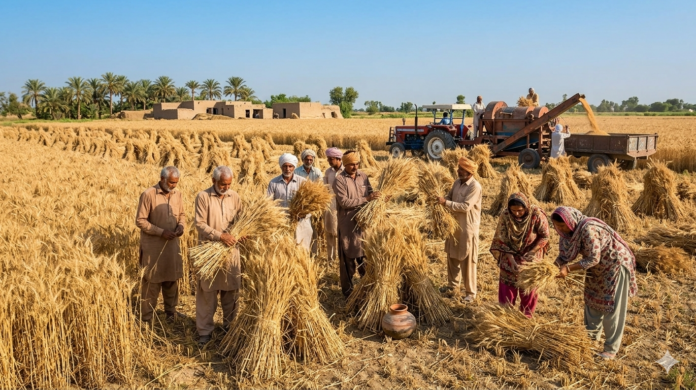
The timing of the policy shift is closely linked to the agricultural calendar. During the harvest months, diesel consumption typically increases as farmers rely on machinery such as tractors, harvesters, and irrigation systems.
A shortage of fuel during this period could have severe consequences, including delays in crop harvesting and increased operational costs for farmers. By proactively addressing the supply situation, the government aims to support agricultural productivity and prevent disruptions in the food supply chain.
Ensuring adequate fuel availability is also essential for maintaining price stability in agricultural markets. Any delays or inefficiencies in the harvest process could lead to higher food prices, adding to the broader inflationary pressures already affecting the economy.
Cost Advantages and Market Impact
One of the primary advantages of importing lower-grade diesel is its significantly lower cost compared to higher-quality alternatives. The price difference in international markets makes it a more viable option for meeting short-term demand without placing excessive financial strain on the economy.
Lower import costs can also translate into reduced financial pressure on fuel suppliers and distributors. This, in turn, helps maintain smoother operations across the supply chain, from import terminals to retail outlets.
The availability of a more affordable fuel option may also discourage illegal practices such as hoarding or black-market sales, which tend to emerge during periods of scarcity. By ensuring a steady supply, authorities can maintain better control over the market and prevent price manipulation.
Strengthening Supply Routes and Logistics
In addition to easing import restrictions, authorities are taking steps to improve the logistics and security of fuel shipments. Efforts are underway to ensure smoother passage for oil tankers through critical maritime routes, which play a vital role in the country’s energy supply chain.
Securing safe and cost-effective shipping routes can significantly reduce transportation expenses, including insurance premiums. This not only lowers the overall cost of imports but also ensures timely delivery of fuel cargoes.
Improved logistics planning is particularly important in a volatile global energy environment, where disruptions in supply chains can have immediate and far-reaching impacts on domestic markets.
Monitoring Stocks and Preventing Shortages
Current diesel reserves are considered sufficient for short-term needs, but authorities are taking proactive measures to maintain adequate stock levels. Continuous monitoring of inventory is being carried out to ensure that supplies remain stable throughout the high-demand period.
Officials are also focusing on preventing speculative stockpiling, which can artificially create shortages and drive up prices. By closely overseeing distribution channels, the government aims to ensure that fuel reaches all regions without delay.
Maintaining transparency in supply management is critical for building trust among consumers and industry stakeholders. It also helps prevent panic buying, which can further strain the system.
Balancing Environmental Concerns with Economic Needs
While the use of lower-grade diesel raises environmental concerns due to higher emissions, the decision reflects a temporary compromise to address immediate economic and logistical challenges. Authorities appear to be prioritizing energy security and agricultural productivity over stricter fuel standards in the short term.
This balancing act highlights the complexity of energy policy decisions, where environmental goals must often be weighed against economic realities. In this case, ensuring sufficient fuel supply during a critical period has been deemed the more pressing priority.
However, the temporary nature of the decision suggests that long-term commitments to cleaner fuel standards are likely to remain in place once market conditions stabilize.
Conclusion: A Strategic Move to Secure Energy Supply
The decision to lift the ban on low-grade diesel imports marks a significant policy shift aimed at addressing immediate supply challenges. By allowing a more affordable fuel option into the market, authorities are taking proactive steps to support the agricultural sector and prevent potential shortages.
As the harvest season approaches, the focus remains on ensuring uninterrupted fuel availability, stabilizing prices, and maintaining efficient supply chains. While the move may come with trade-offs, it underscores the importance of adaptability in managing energy resources during periods of uncertainty.
In the coming months, the effectiveness of this decision will depend on how well supply levels are maintained and whether the market remains stable. For now, the priority is clear: ensuring that the country has the fuel it needs to support its economy during a critical time.
Read More