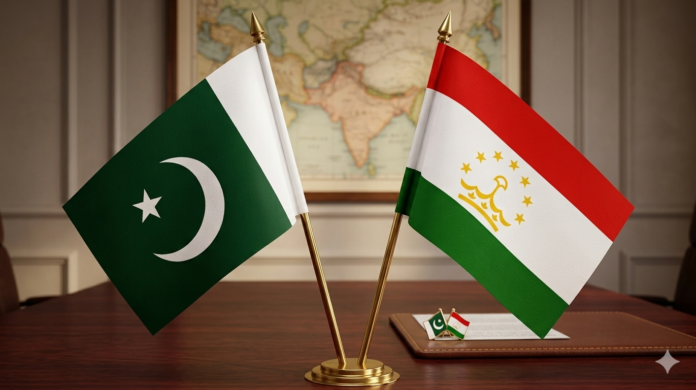

Trade Agreement Faces Continued Delays
The proposed Preferential Trade Agreement between Pakistan and Tajikistan has once again been delayed, reflecting ongoing challenges in finalizing economic cooperation between the two countries. Despite multiple rounds of discussions over the years, both sides have yet to reach a consensus, with recent talks highlighting unresolved fiscal and procedural concerns. This latest delay underscores the complexities involved in negotiating trade agreements, particularly when both economies are navigating their own financial priorities and policy frameworks.
Fiscal Concerns Slow Down Progress
A key reason behind the delay is the concern raised by Tajik authorities regarding potential revenue losses. Officials expressed hesitation about moving forward with the agreement at this stage, citing the need to carefully evaluate its fiscal impact. Trade liberalization under such agreements often involves reduced tariffs, which can affect government revenues, especially for economies that rely heavily on import duties. These concerns have prompted Tajikistan to adopt a more cautious approach before committing to the proposed framework.
Call for a Mid-Term Economic Roadmap
Instead of proceeding directly with the agreement, Tajikistan has proposed the development of a mid-term roadmap for economic cooperation. This approach is intended to build stronger foundations for trade relations before entering into a formal preferential trade arrangement. A structured roadmap would allow both countries to align their economic strategies, address existing gaps, and create a more balanced and sustainable trade environment. This shift in approach indicates a preference for gradual progress rather than immediate commitments.
Renewed Dialogue After Long Gap
The issue was revisited during the third session of the Joint Working Group on Trade, Investment, and Transport, which was held virtually after a gap of four years. The meeting provided an opportunity for both sides to review past discussions, assess current challenges, and explore new areas of cooperation. The long interval between sessions highlights the slow pace of progress and the need for more consistent engagement to move negotiations forward.
Differences in Trade Data Raise Questions
Another point of concern during the discussions was the discrepancy in reported trade figures between the two countries. Pakistan estimated bilateral trade at approximately 29 million dollars for the fiscal year 2024 to 2025, while Tajikistan reported a higher figure of over 43 million dollars for 2025. Such inconsistencies can complicate negotiations, as accurate data is essential for assessing trade potential, identifying imbalances, and designing effective policies. Addressing these discrepancies will be crucial for building mutual trust and ensuring transparency.
Regional Connectivity Remains a Priority
Beyond the trade agreement itself, both countries emphasized the importance of improving regional connectivity. Discussions focused on a proposed road corridor linking Pakistan, China, and Tajikistan, which could play a significant role in facilitating trade and reducing transportation costs. However, progress on this front has been slow, with key agreements and formal commitments still pending. Enhanced connectivity is seen as a critical factor in unlocking the full potential of bilateral trade.
Customs Procedures and Transit Issues
Customs procedures emerged as another major hurdle in advancing the trade relationship. Tajik authorities have called for greater clarity and standardization in customs processes before moving forward with broader agreements. Efficient and transparent customs systems are essential for reducing delays, lowering costs, and improving the ease of doing business. Without addressing these issues, the benefits of any trade agreement may be limited.
Additionally, the lack of full participation in regional transit frameworks has further complicated matters. Streamlined transit arrangements are necessary to ensure smooth cross-border movement of goods, and both countries will need to work closely to resolve these challenges.
Exploring Sectoral Cooperation Opportunities
Despite the delays, both sides have shown interest in expanding cooperation across several key sectors. Discussions highlighted opportunities in pharmaceuticals, textiles, and agriculture, which are considered areas of mutual benefit. Proposals for joint ventures and the establishment of an agro-logistics center were also explored, aiming to enhance value chains and improve market access.
These initiatives demonstrate that, even in the absence of a finalized trade agreement, there is significant potential for collaboration. By focusing on sector-specific partnerships, both countries can gradually strengthen their economic ties and build momentum for future agreements.
Strengthening Digital and Institutional Links
Another important outcome of the discussions was the agreement to enhance digital connectivity through improved data exchange systems. Strengthening digital infrastructure can facilitate smoother trade operations, improve transparency, and support better decision-making. Regular institutional engagement and continued dialogue were also emphasized as essential for sustaining progress and addressing emerging challenges.
Future Outlook for Trade Relations
While the delay in finalizing the trade agreement may be seen as a setback, it also provides an opportunity for both countries to address underlying issues more effectively. By focusing on fiscal stability, improving customs procedures, and enhancing connectivity, Pakistan and Tajikistan can create a stronger foundation for long-term economic cooperation.
The path forward will require sustained commitment, regular engagement, and a willingness to adapt to evolving economic conditions. If these challenges are successfully managed, the eventual agreement could unlock new trade opportunities, boost regional integration, and contribute to broader economic growth for both nations.
Read More
Govt Considers Daily Fuel Price Adjustments Amid Critical IMF Talks