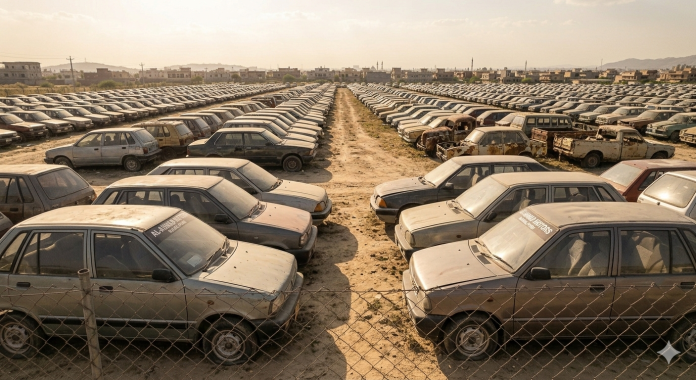

Imported used vehicles caused an estimated Rs. 60 billion loss to Pakistan’s domestic automobile industry in FY25 and displaced more than 40,000 potential jobs, according to a recent study by the Competition Commission of Pakistan (CCP). The findings have raised serious concerns about the long-term sustainability of local car manufacturing amid growing inflows of second-hand vehicles.
The Commission’s assessment highlights how increasing used car imports are undermining domestic assembly operations, discouraging investment, and threatening the broader industrial ecosystem built around the automotive sector.
Surge in Used Car Imports
During FY2025, more than 38,000 used cars were imported into Pakistan. These vehicles accounted for nearly one-fourth of total passenger vehicle sales during the fiscal year, signaling a major shift in market dynamics.
According to the report, schemes originally designed to facilitate overseas Pakistanis — such as Gift, Transfer of Residence, and Baggage categories — are increasingly being used for commercial trading purposes. While these schemes were intended to allow expatriates to bring vehicles for personal use, their growing commercial application has effectively created an alternative import channel.
This trend has weakened local manufacturing by diverting demand away from domestically assembled vehicles.Impact on Local Manufacturing and Employment
The study emphasizes that each imported used vehicle effectively replaces the demand for a locally assembled car. This substitution effect extends beyond vehicle assembly plants to the entire supply chain, including vendors and manufacturers of locally produced components.
As a result, the domestic industry suffered an estimated Rs. 60 billion loss in FY25. More critically, over 40,000 potential jobs were displaced due to reduced local production volumes.
Pakistan’s auto sector supports a wide network of parts manufacturers, service providers, and skilled labor. A decline in production not only impacts assembly lines but also small and medium-sized enterprises involved in component manufacturing.
The report warns that continued reliance on used car imports could erode the industrial base that has been gradually developed through localization policies and long-term investment.
Threat to Localization Efforts
Localization has been a key policy objective for Pakistan’s automotive industry. Increasing domestic production of parts reduces reliance on imports and enhances value addition within the country.
However, sustained inflows of used vehicles threaten these gains. When demand shifts toward imported second-hand cars, local assemblers face shrinking production volumes. Lower volumes reduce economies of scale and discourage further investment in localized manufacturing.
Over time, this dynamic could slow technological advancement and weaken the industry’s competitiveness.
Broader Economic Risks
Beyond the industrial impact, the study highlights broader macroeconomic concerns. A sustained drop in local production would expand the structural import bill, placing additional pressure on foreign exchange reserves.
At a time when Pakistan is working to stabilize its external accounts, increased dependence on vehicle imports could heighten economic vulnerability. Reduced domestic production also weakens the multiplier effect associated with manufacturing, limiting broader economic growth.
The automotive sector plays a significant role in employment generation, tax revenue, and industrial development. Prolonged disruption could therefore have wide-ranging economic consequences.
Importance of the Auto Parts Industry
The report underscores that Pakistan’s auto parts industry currently saves approximately USD 1.25 billion annually through import substitution. By manufacturing components locally, the sector reduces the need for expensive imports and strengthens domestic industrial capacity.
However, this protective cushion could diminish if used vehicle imports continue to rise unchecked. Lower production of locally assembled vehicles would directly reduce demand for domestically manufactured parts, undermining years of progress.
Need for Policy Reassessment
While imported used vehicles may provide consumers with more affordable options, the findings suggest policymakers must carefully balance consumer benefits with long-term industrial sustainability.
The study calls for a comprehensive review of existing import schemes to ensure alignment with national industrial objectives. Without corrective measures, rising used car imports could pose a lasting challenge to Pakistan’s automotive manufacturing sector.
Read More
IMF Begins Second Review Through Online Meetings From Türkiye