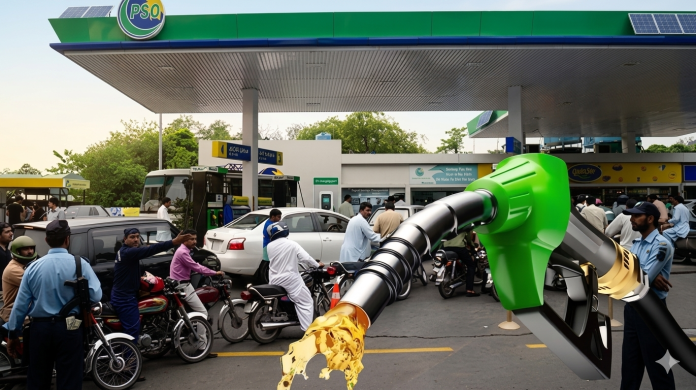

Fuel prices have witnessed a significant increase, with petrol and high-speed diesel becoming substantially more expensive for consumers. The government has raised domestic fuel prices by Rs. 55 per litre, pushing petrol to Rs. 321.17 per litre and high-speed diesel to Rs. 335.86 per litre. This sharp rise has been attributed to a combination of global market pressures, increasing crude oil prices, and adjustments in domestic taxation.
The new prices came into effect on March 7, 2026, and the increase is expected to have a noticeable impact on transportation costs, goods prices, and overall inflation in the country.
Impact of Rising Global Oil Prices
One of the primary factors behind the surge in fuel prices is the sharp rise in international crude oil prices. Global oil markets have been experiencing volatility as geopolitical tensions and supply concerns continue to push prices higher.
Crude oil prices have climbed above 90 dollars per barrel, reflecting fears of potential supply disruptions. When global oil prices rise, countries that rely heavily on imported petroleum products face higher import costs. These increased costs eventually translate into higher domestic fuel prices.
For countries with limited local oil production, fluctuations in global energy markets often have a direct and immediate impact on fuel pricing.
Changes in Ex-Refinery Prices
Another major contributor to the increase is the rise in ex-refinery prices. The ex-refinery price refers to the cost of petroleum products before taxes, transportation charges, and dealer margins are added.
In the latest price adjustment, the ex-refinery price of petrol increased by Rs. 36.29 per litre. For high-speed diesel, the increase was even more significant, with the ex-refinery price rising by Rs. 78.24 per litre.
These increases reflect higher costs faced by oil refineries due to expensive crude oil imports and rising processing expenses.
Adjustments in Petroleum Levy
Taxation also played a key role in determining the final retail prices of fuel. The petroleum levy on petrol was increased by Rs. 20.97, bringing the total levy to Rs. 105.37 per litre. This contributed to the overall rise in petrol prices for consumers.
However, in the case of high-speed diesel, the levy was reduced by Rs. 20.97 to Rs. 55.24 per litre. Despite this reduction, the substantial increase in the ex-refinery price resulted in an overall price hike of Rs. 55 per litre for diesel as well.
These adjustments show how both global market conditions and domestic fiscal measures influence the final fuel prices paid by consumers.
Impact of Regional Conflict on Oil Markets
The ongoing tensions in the Middle East have also played a major role in disrupting global energy markets. Conflicts in the region have raised concerns about the security of oil supply routes and the stability of global production.
As a result, shipping costs for transporting oil have increased significantly. Oil tankers operating in the region are facing higher insurance premiums due to security risks, which has pushed transportation costs upward.
These additional costs are eventually reflected in the price of petroleum products imported by oil-dependent countries.
Disruptions in Key Oil Supply Routes
Another important factor contributing to the rise in fuel prices is the disruption of shipping routes used for transporting crude oil. A major global energy corridor has been affected by security concerns, leading to slower traffic and higher shipping risks.
This route carries a substantial portion of the world’s oil supply, and any disruption in its operations can have a major impact on global oil markets. The uncertainty surrounding the safe passage of oil shipments has further contributed to rising crude prices and freight rates.
For countries that import large quantities of oil, such disruptions can quickly lead to higher domestic fuel prices.
Possible Future Adjustments
Officials have indicated that the current fuel prices may change again depending on developments in global oil markets and the evolving geopolitical situation. If crude oil prices continue to rise or supply disruptions worsen, further adjustments in domestic fuel prices may be necessary.
On the other hand, any improvement in global supply conditions or easing of regional tensions could help stabilize or reduce fuel prices in the future.
Conclusion
The recent increase of Rs. 55 per litre in petrol and diesel prices is the result of multiple factors, including rising international oil prices, adjustments in domestic taxes, and growing geopolitical tensions affecting global energy supply chains.
As global markets remain uncertain, fuel prices may continue to fluctuate in the coming months. Consumers and businesses alike will likely feel the effects of these increases through higher transportation costs and rising prices of goods and services across the economy.
Read More