
FBR Introduces Major Policy Shift in Use of Confiscated Vehicles
A significant development has emerged in Pakistan’s enforcement and anti-smuggling framework as authorities have approved the operational use of confiscated luxury vehicles. This decision marks a shift in how seized assets are utilized, transforming them from idle inventory into active tools for enforcement agencies.
The policy, effective from April 2026, allows the use of vehicles with engine capacities above 1800 cc that have been confiscated due to irregularities. These vehicles, previously considered difficult to dispose of due to tampering issues, will now play a direct role in strengthening anti-smuggling operations across the country.
This move is expected to enhance the mobility and operational capacity of enforcement units, particularly in remote and high-risk areas.
Focus on Strengthening Enforcement in Hard Areas
One of the primary objectives of the policy is to improve operational efficiency in challenging terrains and border regions. Enforcement formations operating in difficult and remote areas often face logistical challenges due to limited access to reliable transport.
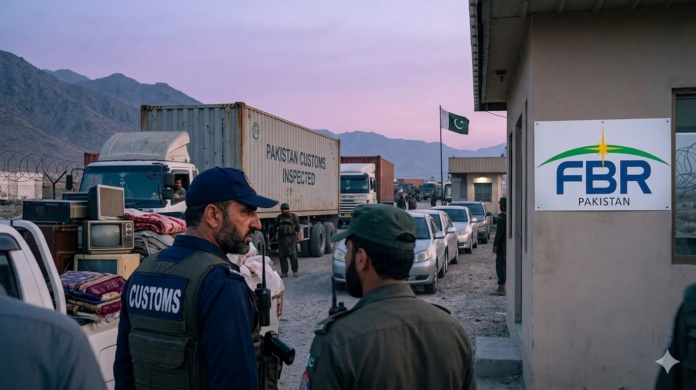
Under the new framework, confiscated vehicles will be allocated to formations working in regions such as border posts, remote districts, and transit routes. These areas are critical for monitoring cross-border trade and curbing smuggling activities.
By providing high-capacity vehicles to these units, authorities aim to improve response times, increase patrol coverage, and strengthen surveillance in areas that require constant monitoring.
Expanding Operational Use Across Multiple Formations
The policy extends beyond anti-smuggling units and includes various formations within the customs and enforcement structure. Appraisement formations operating in hard areas will also be authorized to use these vehicles where necessary.
This broader allocation strategy ensures that resources are distributed efficiently based on operational needs rather than remaining unused. It reflects a coordinated effort to maximize the utility of seized assets while addressing the transportation requirements of multiple departments.
The inclusion of transit trade formations and other strategic units highlights the comprehensive nature of the initiative.
Clear Guidelines for Allocation and Justification
To ensure transparency and accountability, the policy introduces a structured process for the allocation of confiscated vehicles. Departments seeking vehicles must submit detailed proposals outlining their operational requirements.
These proposals must include justifications based on factors such as staffing levels, geographic coverage, and the nature of enforcement activities. This requirement ensures that vehicle allocation is based on actual need rather than arbitrary distribution.
A central committee will review these proposals and make final decisions on allocation. This oversight mechanism is designed to maintain fairness and prevent misuse of resources.
Strict Restrictions on Private Use and Sale
A key aspect of the policy is the strict prohibition on the sale of confiscated vehicles to individuals. Vehicles with tampered or altered identification features cannot be transferred for personal use under any circumstances.
Instead, these vehicles may only be allocated to government or semi-government organizations. This restriction is intended to prevent misuse and ensure that such vehicles are used solely for public purposes.
The policy also allows certain categories of institutions, including educational, medical, and scientific organizations, to acquire these vehicles through a regulated process.
Transparent Disposal Mechanism Introduced
In addition to operational use, the policy establishes a clear framework for the disposal of confiscated vehicles. This includes guidelines for sale, transfer, and eventual dismantling.
Vehicles that cannot be allocated or sold within a specified timeframe will be dismantled according to approved procedures. This ensures that no asset remains unused indefinitely.
The structured disposal mechanism aims to eliminate ambiguity and create a consistent approach across all departments.
Digital Tracking System for Enhanced Accountability
A major innovation introduced under the policy is the development of a digital system to track confiscated vehicles. This system will record comprehensive details of each vehicle, including its condition, documentation, and legal status.
Information such as forensic reports, identification data, and photographs will be stored in a centralized database. This will allow authorities to monitor the lifecycle of each vehicle from seizure to final disposal.
Access to this system will be extended to relevant government bodies, ensuring transparency and enabling better oversight.
Regular Review of Operational Requirements
To maintain efficiency, departments will be required to conduct periodic reviews of their vehicle needs. These reviews will assess whether the allocated vehicles are sufficient, underutilized, or require replacement.
In cases where vehicles become unfit for use or are no longer required, departments can submit revised requests or return them for reallocation.
This dynamic approach ensures that resources are continuously optimized and aligned with changing operational demands.
Support for Public Institutions Through Vehicle Transfers
The policy also includes provisions to support public sector institutions that may benefit from access to vehicles. Certain categories of vehicles, particularly those unsuitable for enforcement use, may be transferred to educational, medical, and scientific institutions.
These transfers will be carried out with proper approvals, ensuring that assets are utilized for public benefit rather than remaining idle.
This aspect of the policy reflects a broader commitment to maximizing the value of confiscated assets across different sectors.
End-of-Life Management and Dismantling Procedures
Vehicles that reach the end of their operational life will be subject to controlled dismantling. Departments using these vehicles must return them to the authorities once they are no longer roadworthy.
The dismantling process will follow standardized procedures to ensure compliance with regulatory requirements. This final stage completes the lifecycle of confiscated vehicles under the new system.
By establishing clear end-of-life protocols, the policy ensures that all assets are managed responsibly from acquisition to disposal.
A Strategic Move Toward Resource Optimization
The decision to utilize confiscated luxury vehicles for operational purposes represents a strategic shift toward resource optimization. Instead of allowing valuable assets to remain unused, authorities are integrating them into active service.
This approach not only enhances enforcement capabilities but also reduces the need for additional expenditure on new vehicles. It reflects a practical and cost-effective solution to existing logistical challenges.
Conclusion: Turning Seized Assets Into Operational Strength
The new policy marks a significant step forward in strengthening Pakistan’s anti-smuggling efforts and improving resource management. By converting confiscated vehicles into operational assets, authorities are addressing both enforcement needs and efficiency concerns.
The introduction of clear guidelines, digital tracking systems, and transparent procedures ensures that the initiative is implemented effectively and responsibly.
As this framework takes shape, it has the potential to enhance operational performance, improve accountability, and set a new standard for the management of seized assets in the country.
Read More