
Emerging Reports Spark Global Attention
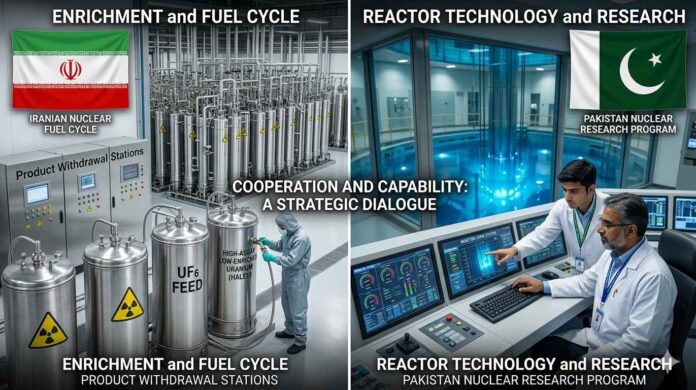
A wave of fresh speculation has emerged surrounding Iran’s nuclear program, with recent reports suggesting that Tehran may be considering transferring its enriched uranium stockpile to Pakistan. The claim, attributed to unnamed sources, has quickly gained traction amid heightened geopolitical tensions and ongoing negotiations over Iran’s nuclear activities.
According to these reports, the proposal is being discussed as part of broader diplomatic and technical considerations linked to international demands regarding Iran’s nuclear program. The idea of relocating enriched uranium to another country is not entirely unprecedented in global nuclear diplomacy, but such a move would carry significant political, legal, and strategic implications.
At this stage, however, there has been no official confirmation from either Iran or Pakistan. Both governments have remained silent on the matter, leaving analysts and observers to interpret the situation cautiously.
Context: Rising Tensions and Nuclear Negotiations
The timing of these reports is critical. They come amid renewed tensions in the Middle East and ongoing disputes involving global powers over Iran’s nuclear ambitions. Efforts to revive or renegotiate nuclear agreements have faced repeated setbacks, leading to increased uncertainty about the future of Iran’s nuclear program.
International stakeholders have long pushed for stricter controls on Iran’s enriched uranium stockpile, viewing it as a key component in preventing nuclear proliferation. In this context, the idea of transferring uranium to a third country could be seen as a potential compromise aimed at reducing immediate concerns while allowing negotiations to continue.
However, such arrangements typically require extensive oversight, transparency, and multilateral agreement. Without these elements, any proposal of this nature would face serious skepticism from the international community.
Pakistan’s Potential Role in a Sensitive Arrangement
The mention of Pakistan as a potential destination for Iran’s enriched uranium has added a new layer of complexity to the situation. Pakistan is a nuclear-armed state with its own established nuclear infrastructure, and its involvement in any arrangement related to nuclear material would inevitably attract global scrutiny.
From a strategic perspective, Pakistan’s geographic location and diplomatic relationships could make it a relevant player in regional security discussions. However, accepting or even being considered for such a role would carry significant risks, including potential diplomatic pressure and increased international oversight.
It is also important to note that Pakistan has consistently maintained a policy of responsible nuclear stewardship. Any decision involving foreign nuclear material would require careful consideration of international obligations, security concerns, and national interests.
Lack of Official Confirmation Raises Questions
Despite the widespread attention these reports have received, the absence of official confirmation remains a critical factor. Neither Iranian nor Pakistani authorities have publicly acknowledged any such proposal, and no formal statements have been issued to support the claim.
In the world of international diplomacy, especially when it comes to nuclear matters, unofficial reports and anonymous sources are not uncommon. However, they often require verification before being treated as credible developments.
This lack of confirmation suggests that the reported proposal may still be at a very early stage of discussion, or it may represent speculative or exploratory ideas rather than a concrete plan. Until official statements are made, the situation remains uncertain.
Strait of Hormuz Tensions Add to the Crisis
Complicating the situation further are escalating tensions in the Strait of Hormuz, a critical global shipping route for oil and gas. Reports indicate that the waterway has once again become a flashpoint, with disruptions affecting maritime traffic.
The closure of this strategic route has intensified concerns about global energy supply and regional stability. Some reports have suggested that oil tankers attempting to pass through the strait have faced hostile conditions, forcing them to retreat.
These developments highlight the broader geopolitical environment in which the nuclear speculation is unfolding. The intersection of energy security, military tensions, and nuclear diplomacy creates a highly volatile situation with far-reaching implications.
Global Implications of a Uranium Transfer Proposal
If such a proposal were to materialize, its implications would extend well beyond the immediate region. Transferring enriched uranium from one country to another involves complex legal, technical, and political considerations.
International frameworks governing nuclear materials are designed to prevent proliferation and ensure that nuclear technology is used for peaceful purposes. Any deviation from established norms would likely trigger intense scrutiny from global institutions and major powers.
Moreover, the involvement of multiple countries in such an arrangement would require a high level of trust and cooperation. Without clear agreements and oversight mechanisms, the risks associated with transferring nuclear material would be significant.
Diplomatic Strategy or Strategic Signal?
Some analysts view the reported proposal as a potential diplomatic maneuver rather than a concrete plan. By introducing the idea of transferring its uranium stockpile, Iran may be attempting to signal flexibility in negotiations or to shift the dynamics of ongoing discussions.
In complex geopolitical negotiations, such signals are often used to test reactions, gauge international responses, and explore possible compromises. Whether this is the case here remains uncertain, but it underscores the strategic nature of such reports.
At the same time, the lack of official endorsement suggests that any such proposal, if it exists, is still far from being finalized or implemented.
Challenges and Risks Involved
Even if the idea were to gain traction, numerous challenges would need to be addressed. These include ensuring the safe transport and storage of nuclear material, establishing robust verification mechanisms, and securing international approval.
There are also significant political risks. Any country involved in such an arrangement would face intense scrutiny and potential pressure from global powers. Public perception and domestic considerations would also play a crucial role in shaping decisions.
Additionally, the technical complexities of handling enriched uranium cannot be underestimated. Ensuring safety, security, and compliance with international standards would require extensive planning and coordination.
Current Status: Unconfirmed and Uncertain
As of now, the reported proposal remains unconfirmed. While it has generated considerable discussion, there is no concrete evidence to suggest that Iran has formally decided to transfer its enriched uranium stockpile to Pakistan or any other country.
Both Iran and Pakistan have yet to comment publicly on the matter, and international organizations have not issued any statements regarding such a development. This leaves the situation in a state of uncertainty, with more questions than answers.
Observers are closely monitoring developments, but until official confirmation is provided, the reports should be treated with caution.
Conclusion: A Story Still Unfolding
The possibility of Iran transferring its enriched uranium stockpile to Pakistan is a topic that has captured global attention, but it remains firmly in the realm of speculation. The absence of official confirmation, combined with the complex geopolitical context, makes it difficult to draw definitive conclusions.
What is clear, however, is that the situation reflects the broader challenges of managing nuclear programs in a highly interconnected and often volatile world. As tensions continue to evolve, so too will the narratives surrounding them.
For now, the reported proposal serves as a reminder of the intricate balance between diplomacy, security, and global stability. Whether it develops into a concrete initiative or fades as speculation will depend on the actions and decisions of the key players involved in the coming weeks.
Read More
SBP Governor Predicts Quicker-Than-Expected Surge in Forex Reserves by June