

Pakistan’s Forex Reserves Set for Strong Recovery in 2026
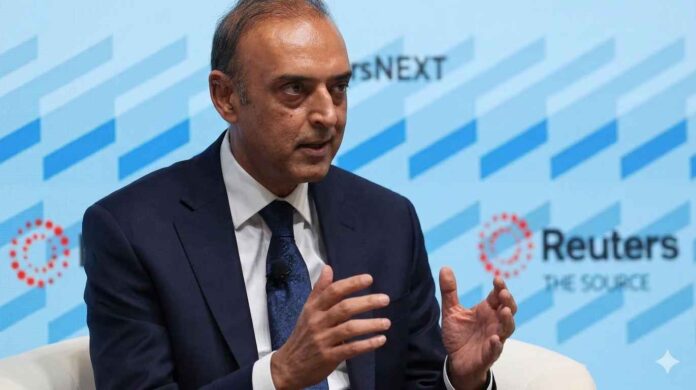
Pakistan’s economic outlook is showing clear signs of improvement, with foreign exchange reserves expected to recover faster than previously anticipated. According to the Governor of the State Bank of Pakistan, the country’s reserves are projected to rise to approximately $18 billion by the end of June 2026. This optimistic forecast reflects a combination of strategic dollar purchases, improving macroeconomic indicators, and anticipated inflows from bilateral and multilateral sources.
The central bank’s confidence comes at a time when global economic conditions remain uncertain. Despite external pressures, Pakistan’s economic management has demonstrated resilience, enabling a steady rebuilding of foreign exchange buffers. This projected rise in reserves is not only a positive signal for financial markets but also a key indicator of strengthening economic stability.
Global Financial Leaders Briefed on Pakistan’s Economic Progress
The outlook was shared during high-level discussions with senior executives from leading global financial institutions and credit rating agencies. These engagements took place on the sidelines of international financial meetings held in April 2026, where Pakistan presented its economic progress and reform agenda to global stakeholders.
The briefing highlighted the country’s ongoing efforts to stabilize the economy and rebuild investor confidence. By engaging directly with international investors and financial experts, Pakistan aims to strengthen its position in global markets and attract sustainable foreign investment.
These interactions also serve as a platform to communicate policy consistency, reform progress, and long-term economic planning, all of which are essential for maintaining credibility in international financial circles.
Macroeconomic Indicators Show Faster-Than-Expected Improvement
Pakistan’s economic recovery has exceeded earlier expectations, with key indicators showing notable progress. Inflation, which had been a major concern in recent years, has moderated significantly. During the first nine months of the fiscal year, inflation averaged 5.7 percent, indicating a successful containment strategy through coordinated monetary and fiscal policies.
At the same time, the external current account has remained in surplus, reflecting improved export performance, controlled imports, and steady remittance inflows. This surplus plays a critical role in supporting foreign exchange reserves and reducing external vulnerabilities.
The central bank’s proactive approach to managing the foreign exchange market has also contributed to reserve accumulation. Strategic dollar purchases from the interbank market have helped build reserves without creating excessive pressure on the currency.
Foreign Exchange Reserves Driven by Strategic Interventions
A major factor behind the rise in reserves has been the central bank’s active participation in the foreign exchange market. By purchasing dollars during periods of stability, the central bank has strengthened its reserve position while maintaining exchange rate stability.
This approach reflects a shift toward more disciplined and forward-looking reserve management. Rather than reacting to crises, the strategy focuses on building buffers during favorable conditions, ensuring the country is better prepared to handle external shocks.
In addition to market operations, official inflows from bilateral partners and international institutions are expected to further boost reserves. These inflows are part of broader financial cooperation agreements aimed at supporting economic stability and development.
Economic Growth Gains Momentum Across Key Sectors
Pakistan’s real economic activity has also picked up pace, contributing to overall recovery. Real GDP growth reached 3.8 percent during the first half of the fiscal year, a significant improvement compared to 1.8 percent during the same period last year.
This growth reflects a gradual revival across multiple sectors, including agriculture, industry, and services. Improved business confidence, better energy availability, and supportive government policies have played a role in this expansion.
Sustainable economic growth is crucial for maintaining long-term stability. It not only generates employment but also enhances revenue collection, reduces fiscal deficits, and strengthens the country’s ability to manage external obligations.
Stronger Economic Fundamentals Compared to Past Crises
One of the key points emphasized by policymakers is that Pakistan’s economic fundamentals are now stronger than during previous global shocks. During earlier crises, such as the global disruptions seen in recent years, the country faced significant challenges due to weaker reserves and higher inflation.
Today, the situation is markedly different. Improved fiscal discipline, a more independent monetary policy framework, and structural reforms have strengthened the economic foundation. These changes have made the economy more resilient to external pressures.
This improved resilience is particularly important given the ongoing geopolitical tensions and their impact on global markets. While uncertainties remain, Pakistan is better positioned to navigate these challenges compared to the past.
Impact of Global Uncertainty and Middle East Tensions
Despite positive domestic indicators, global developments continue to pose risks. Rising geopolitical tensions in the Middle East have led to increased energy prices, higher freight costs, and elevated insurance premiums.
These factors can exert pressure on import bills and inflation, potentially affecting economic stability. However, policymakers have acknowledged these risks and emphasized their commitment to managing them through timely interventions.
The central bank and government are closely monitoring global trends and stand ready to adjust policies as needed. This proactive approach is essential for maintaining stability in an increasingly volatile global environment.
Balanced Monetary and Fiscal Policies Drive Stability
A key reason behind the improving economic outlook is the effective coordination between monetary and fiscal policies. The central bank has maintained a cautious stance, ensuring that interest rates remain supportive of stability while controlling inflation.
The real policy rate has remained positive, which helps anchor inflation expectations and encourages savings. At the same time, the government has maintained fiscal discipline by achieving primary surpluses and implementing targeted expenditure measures.
These efforts have been complemented by demand-management strategies aimed at reducing unnecessary imports and controlling inflationary pressures. Together, these policies have created a stable macroeconomic environment conducive to growth.
IMF Engagement and Reform Momentum Strengthen Confidence
Pakistan’s engagement with international financial institutions has also played a crucial role in stabilizing the economy. Progress in ongoing financial programs has reinforced confidence among investors and global stakeholders.
Recent developments, including staff-level agreements for program reviews and continued reform implementation, signal a strong commitment to economic discipline. These agreements not only provide financial support but also serve as an endorsement of the country’s policy direction.
Credit rating agencies have also taken note of these improvements, reaffirming their assessments and highlighting the progress made in economic stabilization. Such validation is important for attracting foreign investment and reducing borrowing costs.
Remittances and Digital Accounts Boost External Stability
Another significant contributor to Pakistan’s external stability is the steady inflow of remittances. Overseas Pakistanis continue to play a vital role in supporting the economy through consistent financial transfers.
Innovative initiatives such as digital banking platforms for non-residents have further strengthened this trend. These platforms have attracted substantial inflows, with total contributions surpassing billions of dollars across hundreds of thousands of accounts.
Recent regulatory enhancements, including the inclusion of non-resident entities, are expected to expand participation and attract a broader range of investors. These measures are part of a broader strategy to integrate Pakistan more effectively into global financial systems.
Future Outlook: Sustained Growth and Stability
Looking ahead, Pakistan’s economic outlook appears cautiously optimistic. The projected increase in foreign exchange reserves, combined with stable inflation and improving growth, provides a strong foundation for continued progress.
However, sustaining this momentum will require ongoing policy discipline and structural reforms. Addressing challenges such as energy efficiency, export diversification, and fiscal sustainability will be critical for long-term success.
The government and central bank have reaffirmed their commitment to maintaining stability and supporting growth through prudent decision-making. By staying focused on reforms and adapting to global changes, Pakistan aims to build a more resilient and competitive economy.
Conclusion: A Turning Point for Pakistan’s Economy
The projected surge in foreign exchange reserves represents more than just a numerical milestone. It reflects a broader transformation in Pakistan’s economic management and policy framework.
With improved macroeconomic indicators, stronger institutional coordination, and renewed investor confidence, the country is moving toward a more stable and sustainable economic path. While challenges remain, the progress achieved so far provides a solid foundation for future growth.
As Pakistan continues to navigate a complex global landscape, its ability to maintain stability and build resilience will be key to unlocking long-term economic potential.
Read More
Trump Praises Asim Munir and PM Shehbaz After Strait of Hormuz Reopens


