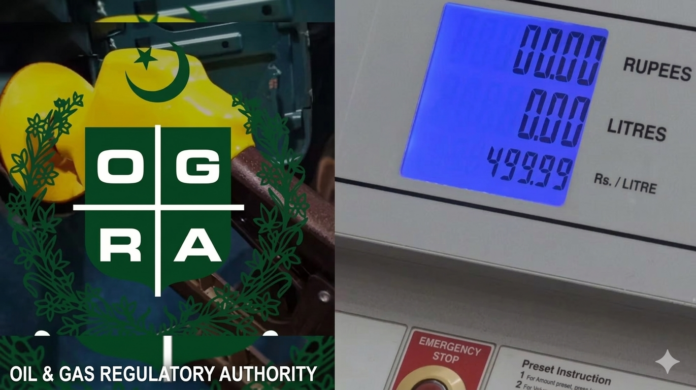

Govt Removes OGRA Chief Over Failure to Defend Petrol Price Increases
The federal government has taken a decisive and unexpected step by removing the acting head of the country’s oil and gas regulator amid growing concerns over fuel pricing, transparency, and supply chain management. The move comes at a time when the petroleum sector is under intense scrutiny due to rising fuel prices and questions surrounding the availability and distribution of essential energy resources.
The sudden reshuffle has drawn attention across financial and policy circles, as it highlights deeper structural issues within the regulatory framework governing the petroleum industry. With fuel prices directly impacting inflation and economic stability, the leadership change signals an attempt by authorities to regain control over the narrative and restore public confidence.
New Leadership Appointed on Interim Basis
Following the removal, a senior government official has been assigned the additional charge of leading the regulatory authority on a temporary basis. This appointment is set for a limited duration, with the understanding that a permanent head will be selected in due course.
The decision to appoint an interim leader reflects the urgency of the situation. The government appears to be prioritizing immediate administrative control and operational continuity while it works toward a long-term solution. However, the continued reliance on temporary leadership raises concerns about consistency in policymaking and execution.
Mounting Pressure Over Fuel Pricing Transparency
One of the primary reasons behind the leadership change is the growing criticism regarding the regulator’s inability to clearly explain fuel pricing mechanisms. As fuel prices surged, questions emerged about how costs were calculated, particularly in relation to diesel pricing structures.
Officials and stakeholders expressed dissatisfaction over the lack of clarity and communication. The inability to justify price increases effectively created a gap between policymakers and the public, fueling uncertainty and mistrust. This communication breakdown became a central issue, ultimately contributing to the decision to remove the acting chief.
Concerns Over Supply Chain Management and Automation
In addition to pricing concerns, the regulator faced criticism over slow progress in modernizing the petroleum supply chain. Efforts to introduce automation, improve stock visibility, and integrate supply chain systems have reportedly lagged behind expectations.
Efficient supply chain management is critical in ensuring the smooth distribution of petroleum products, especially during periods of high demand or market volatility. Delays in implementing digital systems and real-time monitoring tools have raised concerns about inefficiencies and potential vulnerabilities in the system.
The lack of comprehensive data visibility makes it difficult to track fuel availability accurately, increasing the risk of supply disruptions and market manipulation.
Allegations of Hoarding and Market Manipulation
The petroleum sector has also been under scrutiny due to concerns about hoarding and artificial shortages. Rising fuel prices often create incentives for market players to manipulate supply, leading to localized shortages and further price pressures.
Authorities have expressed concerns that the absence of effective monitoring mechanisms has allowed such practices to persist. Without proper oversight and real-time data, it becomes challenging to identify irregularities and enforce compliance across the supply chain.
The recent developments suggest that the government is taking these concerns seriously and is moving to strengthen oversight and accountability within the sector.
Joint Monitoring Teams Deployed to Ensure Transparency
In response to the ongoing challenges, the government has decided to deploy joint monitoring teams to oversee fuel distribution and stock levels at selected locations. These teams include representatives from multiple departments and are tasked with ensuring transparency and compliance at retail outlets.
The initiative aims to improve real-time monitoring of fuel stocks, prevent hoarding, and ensure that supply reaches consumers without disruption. By adopting a coordinated approach, authorities hope to address gaps in enforcement and restore confidence in the system.
This move also reflects a shift toward more proactive governance, where multiple agencies collaborate to tackle complex challenges in the energy sector.
Petroleum Supply Position Remains Stable
Despite the controversy and leadership changes, officials have maintained that the overall supply of petroleum products remains stable. Current stock levels are reportedly sufficient to meet existing demand, providing a degree of reassurance to consumers and businesses.
Diesel reserves are said to cover several weeks of consumption, while petrol supplies are adequate for ongoing needs. Crude oil stocks also remain within manageable levels, reducing the likelihood of immediate shortages.
This stability is crucial in preventing panic and ensuring that market conditions remain controlled, even as structural reforms are being implemented.
Long-Term Challenges in Regulatory Governance
The recent developments highlight broader challenges within the regulatory framework of the petroleum sector. The absence of a permanent leadership structure for an extended period has raised questions about governance and accountability.
Operating under temporary arrangements can limit the ability to implement long-term reforms and maintain strategic direction. Consistent leadership is essential for driving policy initiatives, improving operational efficiency, and ensuring regulatory compliance.
The government’s next steps in appointing a permanent head will be critical in shaping the future of the sector and addressing existing weaknesses.
Impact on Economy and Public Confidence
Fuel prices play a significant role in shaping economic conditions, influencing transportation costs, industrial activity, and overall inflation. Any uncertainty in the petroleum sector can have far-reaching consequences for businesses and consumers alike.
The removal of the regulator’s head is likely to have both immediate and long-term implications. In the short term, it signals accountability and a willingness to address concerns. In the long term, it underscores the need for structural reforms to ensure transparency, efficiency, and stability.
Restoring public confidence will require clear communication, consistent policies, and visible improvements in supply chain management.
Conclusion
The decision to remove the acting head of the oil and gas regulator marks a critical moment for the country’s energy sector. Driven by concerns over fuel pricing, supply chain inefficiencies, and lack of transparency, the move reflects an urgent need for reform and accountability.
While interim measures have been put in place to stabilize the situation, the focus must now shift toward long-term solutions. Strengthening regulatory governance, enhancing technological integration, and improving communication with the public will be essential in building a more resilient and transparent petroleum sector.
As the government navigates these challenges, the outcome will play a key role in shaping economic stability and public trust in the months ahead.
Read More
Islamabad Set for Key Talks as JD Vance and Iran’s Speaker Likely to Meet Friday