
OIL PRICES SURGE AGAIN AS GEOPOLITICAL TENSIONS INTENSIFY
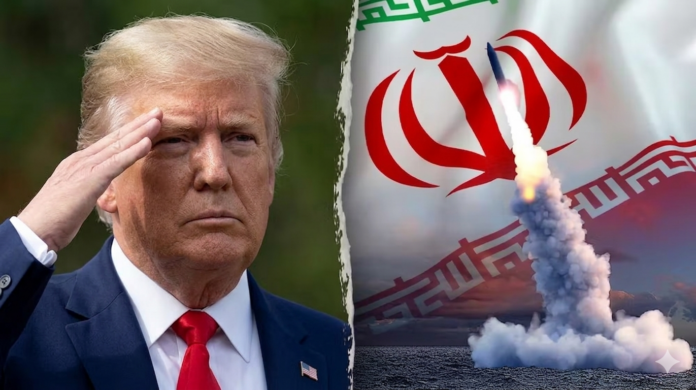
Global oil markets are once again experiencing upward pressure as prices climb closer to the critical $100 per barrel mark. The renewed surge comes amid escalating geopolitical tensions in the Middle East, triggered by strong rhetoric and military warnings that have unsettled investors and traders worldwide. The latest developments have injected fresh uncertainty into an already fragile market, pushing crude prices higher and reviving concerns about long-term energy stability.
The recent price rally reflects a shift in market sentiment, where fears of disruption are outweighing earlier optimism about de-escalation. Traders are increasingly factoring in the risk of conflict spreading across key regions, particularly those vital to global oil supply chains.
RENEWED THREATS SPARK MARKET ANXIETY
Market volatility has surged following renewed warnings of military action in the region. The possibility of direct confrontation has raised alarms among investors, leading to increased speculation and rapid price adjustments. Such geopolitical developments often act as a catalyst for oil price spikes, as uncertainty over supply routes and production capabilities creates panic-driven buying.
The situation has been further complicated by conflicting reports and statements, adding to confusion in the market. While some officials have attempted to downplay the severity of the situation, traders remain cautious, choosing to prepare for worst-case scenarios rather than relying on assurances.
STRAIT OF HORMUZ CONCERNS DRIVE PRICE MOMENTUM
One of the biggest factors influencing the current oil price surge is the growing concern over potential disruptions in the Strait of Hormuz. This narrow waterway is one of the most critical transit routes in the world, responsible for transporting a significant portion of global crude oil supplies.
Any threat to shipping through this passage immediately triggers strong reactions in the oil market. Even the possibility of restricted access or temporary closure can send prices soaring, as it directly impacts supply availability on a global scale. Recent warnings regarding potential disruptions have intensified fears, leading traders to push prices upward in anticipation of supply shortages.
OIL PRICES RECOVER AFTER BRIEF DIP
Just days earlier, oil prices had experienced a temporary decline, falling below the $100 threshold following reports of a potential ceasefire. That brief period of optimism, however, proved to be short-lived. As new risks emerged and doubts grew about the durability of the truce, the market quickly reversed course.
By early Thursday trading, benchmark crude prices had rebounded strongly, climbing to the high $90 range. Both major oil benchmarks recorded gains of nearly three percent compared to the previous session, reflecting the rapid shift in sentiment. This sharp rebound highlights how sensitive oil markets are to geopolitical developments, especially when they involve key energy-producing regions.
MARKET SENTIMENT SHIFTS TOWARD RISK PRICING
The current rally in oil prices is largely driven by risk pricing, a common phenomenon in commodity markets during times of uncertainty. Instead of reacting solely to actual supply disruptions, traders begin to price in the possibility of future events. This forward-looking approach often results in sudden and significant price movements.
In this case, the fear of escalating conflict and its potential impact on oil supply has become a dominant factor. Traders are no longer waiting for concrete disruptions; instead, they are acting on the expectation that such disruptions could occur. This shift has amplified volatility and pushed prices closer to the $100 mark once again.
MILITARY PRESENCE SIGNALS LONG-TERM UNCERTAINTY
Another factor contributing to rising oil prices is the continued military presence in the region. The indication that forces will remain deployed until a lasting agreement is reached suggests that tensions may persist for an extended period. This prolonged uncertainty adds another layer of risk for global markets.
Energy traders tend to react strongly to any signs of prolonged instability, as it increases the likelihood of supply chain interruptions. The longer the uncertainty continues, the greater the impact on investor confidence and market stability. This ongoing situation has reinforced the upward momentum in oil prices, as traders prepare for a potentially extended period of volatility.
GLOBAL ECONOMIC IMPACT OF RISING OIL PRICES
The rise in oil prices has far-reaching implications beyond the energy sector. Higher crude prices often translate into increased fuel costs, which can affect transportation, manufacturing, and overall economic activity. Consumers may experience rising costs for goods and services, while businesses face higher operational expenses.
Inflationary pressures could also intensify as energy costs rise, creating challenges for policymakers and central banks. In many economies, sustained increases in oil prices can slow growth and reduce purchasing power, making it a critical issue for both developed and emerging markets.
ENERGY MARKET FACES CONTINUED VOLATILITY
Looking ahead, the oil market is likely to remain highly volatile as geopolitical tensions continue to evolve. Any new developments, whether diplomatic breakthroughs or further escalations, will have an immediate impact on prices. Traders will remain focused on key indicators, including military activity, shipping conditions, and official statements.
The situation underscores the fragile balance that governs global energy markets. Even minor disruptions or threats can lead to significant price swings, highlighting the importance of stability in major oil-producing regions.
CONCLUSION: A MARKET DRIVEN BY UNCERTAINTY
Oil prices climbing toward $100 once again reflects the powerful influence of geopolitical risk on global markets. The current surge is not just about supply and demand fundamentals but also about fear, speculation, and uncertainty. As tensions remain unresolved, the market is likely to stay on edge, with prices reacting swiftly to every new development.
For now, the path of oil prices will largely depend on how the situation unfolds. Whether tensions ease or escalate further will determine whether prices stabilize or continue their upward trajectory. Until clarity emerges, volatility is expected to remain a defining feature of the global oil market.
Read More
Islamabad Set for Key Talks as JD Vance and Iran’s Speaker Likely to Meet Friday