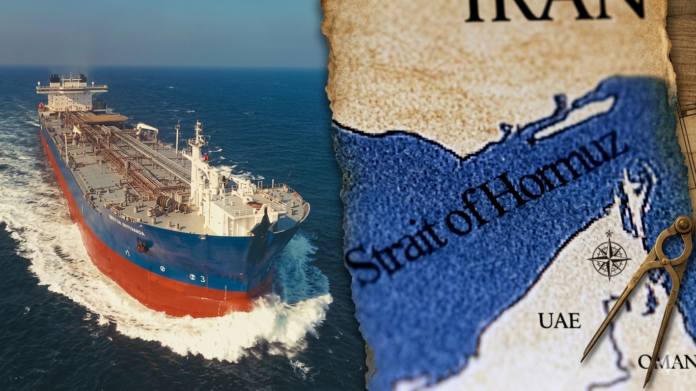

Tensions Rise as Oil Tankers Reverse Course in Key Global Chokepoint
A sudden shift in maritime activity has drawn global attention as multiple oil tankers reversed course near one of the world’s most critical shipping routes. The unexpected maneuver came shortly after the conclusion of high-stakes negotiations between the United States and Iran, raising fresh concerns about stability in the region.
The Strait of Hormuz, a narrow yet vital passage connecting major oil-producing regions to global markets, has once again become a focal point of geopolitical tension. The abrupt change in tanker movements reflects growing uncertainty and heightened caution among shipping operators navigating these waters.
Strategic Importance of the Strait of Hormuz
The Strait of Hormuz is widely regarded as one of the most important energy corridors in the world. A significant portion of global oil exports passes through this narrow waterway, making it essential for international energy supply chains.
Any disruption in this region has immediate implications for oil prices, shipping costs, and global economic stability. As a result, even minor incidents or shifts in maritime behavior can trigger widespread concern among markets and policymakers.
The recent tanker movements highlight how sensitive this route remains to geopolitical developments.
Sudden U-Turns Signal Growing Uncertainty
Recent vessel tracking data revealed that several large crude carriers approached the strait from the Gulf of Oman before making unexpected changes in direction. Two of these tankers, initially heading toward their respective destinations, reversed course near waters close to key islands in the region.
Such maneuvers are highly unusual under normal circumstances, especially when vessels have already received clearance for transit. The sudden decision to turn back indicates that conditions in the area were perceived as uncertain or potentially risky.
While no official statements have been issued by the shipping companies involved, the actions themselves suggest a cautious response to evolving developments.
Mixed Movements Reflect Divided Risk Assessment
Not all vessels responded in the same way. While some tankers chose to reverse course, others continued their journey through designated shipping corridors.
This mixed response highlights differing assessments of risk among operators. Some appear willing to proceed under current conditions, while others are opting for caution until greater clarity emerges.
Such divergence underscores the complexity of navigating a region where security concerns can change rapidly.
Aftermath of Diplomatic Breakdown
The timing of these maritime developments is closely linked to the conclusion of recent diplomatic engagements. The end of discussions between major powers has introduced a new layer of uncertainty, particularly regarding the status of a fragile ceasefire.
Without clear assurances of stability, shipping companies are forced to make real-time decisions based on incomplete information. This often leads to precautionary measures such as route changes or delays.
The ripple effects of diplomatic outcomes are therefore not limited to political arenas but extend directly into global trade and logistics.
Rising Caution Among Global Shipping Operators
Shipping companies operating in the region have been exercising increased caution in recent weeks. Reports of vessels altering routes, delaying entry, or aborting transit attempts have become more frequent.
This cautious approach is driven by the need to protect both crew and cargo, as well as to minimize potential financial losses. Even a minor disruption in such a critical corridor can have significant consequences for global supply chains.
The latest tanker movements are part of a broader pattern of heightened vigilance across the maritime industry.
Previous Incidents Add to Uncertainty
The recent U-turns are not isolated events. In the past weeks, multiple types of vessels, including container ships and gas carriers, have reportedly changed course while navigating the same route.
These incidents reflect an ongoing period of instability that has affected maritime confidence. While some days have seen smoother operations, the overall environment remains unpredictable.
This inconsistency makes it difficult for operators to plan routes with certainty, increasing reliance on real-time decision-making.
Impact on Global Oil Markets
Any disruption or uncertainty in the Strait of Hormuz has immediate implications for global oil markets. Even the perception of risk can lead to price volatility as traders respond to potential supply constraints.
If tanker movements continue to be affected, it could result in delays in oil deliveries, increased shipping costs, and higher insurance premiums. These factors can collectively influence energy prices worldwide.
The situation serves as a reminder of how interconnected global markets are with geopolitical developments.
Navigation Through High-Risk Waters
Navigating through the Strait of Hormuz requires strict adherence to designated shipping lanes and coordination with regional authorities. Under normal conditions, vessels pass through the corridor efficiently.
However, in times of tension, even routine navigation becomes more complex. Operators must consider not only technical and logistical factors but also security risks and political developments.
This added layer of complexity increases the likelihood of cautious decisions such as turning back or delaying transit.
Lack of Official Communication Adds to Speculation
One of the notable aspects of the recent developments is the absence of official statements from the companies operating the vessels. Without clear explanations, analysts and observers are left to interpret the situation based on available data.
This lack of communication can contribute to speculation and uncertainty, further influencing market sentiment and operational decisions.
In such scenarios, even limited information can have a significant impact on perceptions and reactions.
A Fragile Balance Between Risk and Continuity
The current situation reflects a delicate balance between maintaining the flow of global trade and managing potential risks. While some vessels continue to operate normally, others are choosing to err on the side of caution.
This balance is constantly shifting, influenced by real-time developments and evolving assessments of safety.
For the global economy, ensuring the continued flow of energy supplies through critical routes remains a top priority.
Conclusion: A Warning Signal for Global Energy Security
The sudden U-turns by oil tankers in the Strait of Hormuz serve as a powerful reminder of the region’s strategic importance and vulnerability. Even minor disruptions or uncertainties can have far-reaching consequences for global markets and supply chains.
As geopolitical tensions continue to evolve, the behavior of vessels navigating this key corridor will remain a closely watched indicator of stability.
For now, the cautious movements of these tankers highlight a broader reality: in a world dependent on interconnected systems, even a single chokepoint can influence the balance of global energy security.
Read More
India Turns to UAE After Missing Out on Key US-Iran Talks in Pakistan