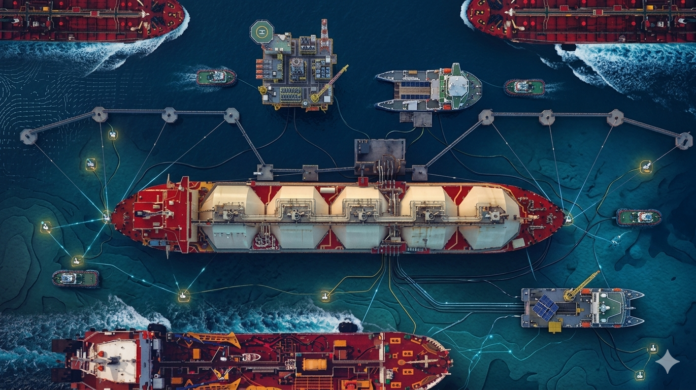

Pakistan’s energy sector is confronting a significant challenge as liquefied natural gas supplies for power generation have become unavailable under force majeure conditions. Officials revealed this development during a regulatory hearing, highlighting the growing risks to the country’s electricity supply system. The situation underscores how geopolitical tensions can directly impact domestic energy stability, particularly for countries heavily dependent on imported fuels.
Authorities explained that LNG shipments could not be utilized for electricity production due to circumstances beyond the control of suppliers and buyers. While such conditions are often temporary, they can create immediate pressure on power generation capacity, especially during periods of high demand. The announcement has raised concerns among policymakers, industry stakeholders, and consumers about the resilience of Pakistan’s energy infrastructure.
Heavy Dependence on LNG for Power Generation
Liquefied natural gas plays a critical role in Pakistan’s energy mix, particularly in electricity generation. LNG-based power plants contribute over 4,500 megawatts to the national grid, making them among the most efficient and reliable thermal assets available. These plants are designed to operate with higher efficiency and lower emissions compared to older fuel-based alternatives, which is why they have become central to the country’s energy strategy.
However, this reliance also exposes the system to external shocks. Any disruption in LNG supply chains can quickly translate into reduced electricity generation, forcing authorities to rely on alternative fuels that may be more expensive or less environmentally friendly. The current situation demonstrates the vulnerability of energy systems that depend heavily on imported resources.
Global Energy Market Volatility and Its Impact
The disruption in LNG supplies is closely linked to escalating tensions in the Gulf region, which have created uncertainty across global energy markets. Shipping routes have become increasingly volatile, particularly through critical maritime corridors that handle a significant portion of global energy trade. Any disruption in these routes can lead to delays, increased costs, and reduced availability of essential fuels.
In addition, production issues in major LNG-exporting countries have further tightened supply. Temporary halts in output from key facilities have reduced the volume of LNG available in international markets, intensifying competition among importing countries. This has made it more difficult for countries like Pakistan to secure timely deliveries at stable prices.
Alternative Fuels Provide Temporary Relief
Despite the LNG shortage, officials have emphasized that alternative fuel sources remain available to sustain electricity generation. Coal-fired power plants continue to operate with imported fuel supplies, primarily sourced from international markets. These plants provide an important backup during times of LNG scarcity, ensuring that the overall power supply remains stable.
However, reliance on coal is not without challenges. Logistics and transportation issues can affect the timely delivery of coal to power plants, leading to operational inefficiencies. Additionally, coal-based generation is generally more expensive and less environmentally sustainable compared to LNG, which makes it a less desirable long-term solution.
Authorities have acknowledged these challenges but remain confident that the existing supply chain for alternative fuels can help bridge the gap created by LNG disruptions in the short term.
Electricity Pricing and Consumer Impact
One of the key concerns arising from fuel supply disruptions is the potential impact on electricity prices. Officials have reassured consumers that near-term pricing adjustments are expected to remain stable. Minor changes in fuel cost adjustments are being managed in a way that prevents significant fluctuations in electricity tariffs.
This stability is crucial for both residential and industrial consumers, as sudden increases in electricity costs can have widespread economic consequences. For industries, in particular, energy costs are a major component of overall production expenses. Maintaining predictable pricing helps businesses plan their operations and remain competitive in international markets.
Efforts to Optimize Power Consumption
Policymakers are also working on strategies to improve energy efficiency and optimize electricity consumption patterns. One proposed initiative focuses on encouraging greater use of electricity during daytime hours, particularly when solar power generation is at its peak. By aligning consumption with periods of higher renewable energy availability, the country can reduce its reliance on imported fuels.
Such measures not only enhance energy security but also support the transition toward a more sustainable energy mix. Increasing the share of renewable energy in the overall system can help reduce exposure to global market fluctuations and improve long-term stability.
Industrial Sector Demands Predictable Tariffs
The industrial sector has called for the introduction of a fixed and all-inclusive electricity tariff structure. Industry representatives argue that a stable pricing framework, maintained over several years, is essential for boosting exports and attracting investment. Uncertainty in energy costs can discourage long-term planning and reduce the competitiveness of local manufacturers in global markets.
A predictable tariff system would provide businesses with greater confidence, allowing them to expand operations and explore new opportunities. It would also align with broader economic goals aimed at increasing exports and strengthening the industrial base.
Managing Circular Debt and Financial Stability
Another important aspect of the energy sector is the management of circular debt, which has historically been a major challenge. Recent efforts have led to improvements, with projections indicating a reduction in overall debt levels compared to previous years. This progress reflects better financial management, timely subsidy payments, and ongoing tariff reforms.
Reducing circular debt is critical for ensuring the sustainability of the power sector. High debt levels can limit the ability of energy companies to invest in infrastructure, maintain operations, and secure fuel supplies. Continued efforts to address this issue will play a key role in strengthening the sector’s resilience.
Looking Ahead: Strengthening Energy Security
The current LNG supply disruption serves as a reminder of the importance of energy diversification and strategic planning. To reduce vulnerability to external shocks, Pakistan will need to continue investing in alternative energy sources, improving infrastructure, and enhancing supply chain resilience.
Expanding renewable energy capacity, improving storage solutions, and exploring domestic energy resources can help create a more balanced and secure energy system. At the same time, maintaining strong international partnerships and securing long-term supply agreements will remain essential for ensuring consistent access to critical fuels.
As the situation evolves, policymakers and industry stakeholders will need to work together to navigate these challenges and build a more resilient energy future.
Read More
Pakistan’s Inflation Likely to Climb Back Into Double Digits