
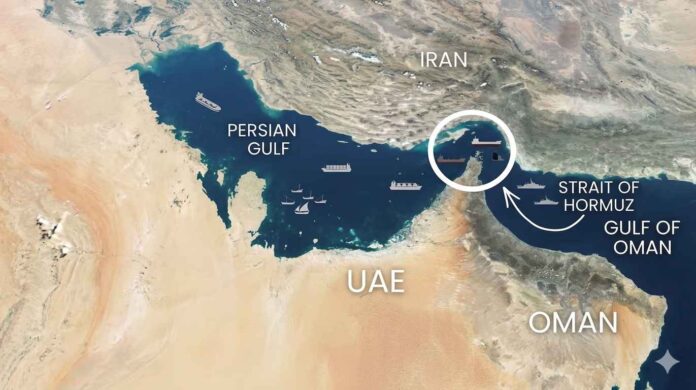

Shipping Activity Remains Stable Despite Regional Uncertainty
Pakistan’s maritime and energy supply chain has shown notable resilience as oil tankers continue to arrive at Karachi port despite ongoing tensions surrounding one of the world’s most critical shipping corridors. While global markets remain cautious and shipping routes face heightened scrutiny, the steady inflow of crude oil into Pakistan has provided a sense of stability during an otherwise uncertain period.
The continued arrival of oil tankers highlights the effectiveness of logistical planning and coordination among shipping operators and port authorities. It also reflects the importance of maintaining uninterrupted fuel supplies to support economic activity, transportation, and power generation across the country.
Consistent Crude Oil Deliveries Strengthen Energy Security
Crude oil shipments have remained consistent, with multiple tankers successfully docking and offloading their cargo. These deliveries are playing a crucial role in ensuring that Pakistan’s refineries and energy sector continue to operate without disruption.
The arrival of vessels carrying crude oil from regional hubs has helped maintain adequate supply levels. This steady flow is particularly important at a time when global shipping routes are experiencing volatility due to geopolitical developments.
Maintaining consistent oil imports is essential not only for immediate energy needs but also for building confidence in the country’s ability to manage external shocks effectively.
Key Tankers Support Ongoing Supply Chain Operations
Several oil tankers have played a vital role in sustaining Pakistan’s fuel supply. These vessels have successfully delivered crude oil shipments, contributing to the overall stability of the energy sector.
Additional tankers are scheduled to arrive in the coming days, ensuring that supply flows remain uninterrupted. The coordinated scheduling of these shipments demonstrates the efficiency of maritime logistics even under challenging conditions.
The ability to manage incoming shipments effectively is a testament to the preparedness of port authorities and the broader energy infrastructure.
LNG Delays Present Emerging Challenges
While crude oil shipments continue without major disruptions, the situation is more complex when it comes to liquefied natural gas. Some LNG cargoes remain delayed due to the evolving regional environment, creating potential risks for Pakistan’s energy mix.
LNG plays a significant role in electricity generation, and any prolonged delays could impact power supply, particularly during periods of high demand. The contrast between steady crude oil imports and uncertain LNG deliveries underscores the challenges of managing a diversified energy portfolio.
Authorities are closely monitoring the situation to mitigate potential impacts and ensure that alternative arrangements are in place if needed.
Balancing Energy Sources Amid Uncertainty
Pakistan’s energy sector relies on a combination of fuel sources, including crude oil, LNG, hydropower, and renewable energy. The current situation highlights the importance of maintaining a balanced energy mix to reduce vulnerability to external disruptions.
With LNG shipments facing delays, the continued availability of crude oil becomes even more critical. This balance allows the country to adapt to changing circumstances and maintain a stable supply of electricity and fuel.
Diversification of energy sources remains a key strategy for enhancing long-term resilience and reducing dependence on any single supply route.
Port Operations Reflect Strong Maritime Activity
Karachi port continues to operate at a high level of efficiency, handling a wide range of cargo alongside oil shipments. The port has maintained steady throughput, reflecting its capacity to manage increased activity even during periods of uncertainty.
Containerized cargo, bulk shipments, and liquid cargo operations have all remained active, demonstrating the robustness of the port’s infrastructure. This level of activity is essential for supporting trade, industry, and economic growth.
The ability to handle large volumes of cargo efficiently also reinforces Pakistan’s position as a key player in regional maritime trade.
Diverse Cargo Handling Highlights Operational Strength
In addition to crude oil, the port has managed a variety of other cargoes, including fuel oil, naphtha, ethanol, and agricultural products. This diversity of operations highlights the versatility and capability of the port to handle different types of shipments.
The handling of both inbound and outbound cargo reflects a balanced trade flow, with imports supporting domestic needs and exports contributing to economic activity. The smooth functioning of these operations is critical for maintaining supply chains and ensuring market stability.
Efficient cargo handling also minimizes delays and reduces costs, benefiting both businesses and consumers.
Export and Import Activities Continue Uninterrupted
Pakistan’s export and import activities have remained largely unaffected, with shipments of goods continuing to move through the port. Agricultural exports, such as rice, and industrial imports, including raw materials, have been processed efficiently.
This continuity is vital for sustaining economic momentum and supporting various sectors of the economy. It also demonstrates the resilience of Pakistan’s trade infrastructure in the face of external challenges.
Maintaining uninterrupted trade flows is essential for ensuring that businesses can operate smoothly and meet both domestic and international demand.
Strategic Importance of Maritime Routes
The current situation underscores the strategic importance of maritime routes for Pakistan’s economy. As a country that relies heavily on imported energy and international trade, secure and reliable shipping lanes are critical.
Any disruption in key routes can have immediate and far-reaching consequences, affecting everything from fuel supply to industrial production. The continued operation of these routes, despite tensions, is therefore of paramount importance.
Strengthening maritime security and enhancing logistical capabilities will be key to ensuring long-term stability.
Economic Implications of Stable Oil Supply
The steady arrival of oil tankers has positive implications for Pakistan’s economy. Reliable fuel supply helps stabilize prices, supports industrial activity, and ensures the smooth functioning of transportation networks.
In contrast, disruptions in energy supply can lead to increased costs, reduced productivity, and economic uncertainty. By maintaining consistent oil imports, Pakistan is better positioned to manage these risks.
This stability also contributes to investor confidence, as reliable energy supply is a key factor in economic decision-making.
Preparedness and Coordination Key to Success
The ability to maintain uninterrupted shipping activity is the result of effective coordination among various stakeholders, including shipping companies, port authorities, and energy sector participants.
Proactive planning and contingency measures have played a crucial role in ensuring that supply chains remain intact. This level of preparedness is essential for navigating complex and rapidly changing परिस्थितيات.
Continued collaboration and communication among stakeholders will be vital for sustaining this momentum and addressing any emerging challenges.
Future Outlook for Energy and Shipping Sectors
Looking ahead, the situation remains dynamic, with potential risks and opportunities for Pakistan’s energy and shipping sectors. While crude oil supplies are currently stable, the uncertainty surrounding LNG shipments highlights the need for ongoing vigilance.
Efforts to diversify energy sources, enhance storage capacity, and strengthen infrastructure will be critical for improving resilience. At the same time, maintaining strong maritime operations will ensure that the country can continue to meet its energy and trade needs.
Adapting to changing global conditions will require flexibility, innovation, and strategic planning.
Conclusion: Resilience Amid Regional Challenges
The continued arrival of oil tankers in Pakistan despite tensions in the region is a testament to the resilience of the country’s energy and maritime sectors. It demonstrates the قدرة to maintain stability even in the face of external pressures.
While challenges remain, particularly in relation to LNG supplies, the overall situation reflects a मजबूत foundation built on effective coordination and infrastructure. By continuing to prioritize energy security and operational efficiency, Pakistan can navigate current challenges and build a more resilient future.
The coming weeks will be crucial in determining how the situation evolves, but for now, the steady flow of oil shipments provides a reassuring sign of stability in uncertain times.
Read More
Trump Says U.S. Officials Set to Arrive in Pakistan for Iran Talks Tomorrow


