
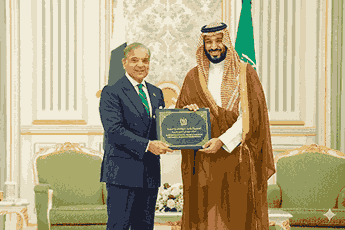

Major Financial Boost Strengthens Pakistan’s External Position
Pakistan has received the second tranche of $1 billion from Saudi Arabia as part of a broader $3 billion financial support arrangement, providing much-needed relief to the country’s external sector. The central bank confirmed that the funds were transferred on April 20, completing the full disbursement of the agreed package within a short timeframe.
The latest inflow follows the earlier receipt of $2 billion, which arrived just days prior, demonstrating a rapid and coordinated effort to strengthen Pakistan’s financial stability. This development comes at a critical moment when the country is navigating ongoing economic challenges, including pressure on foreign exchange reserves and external debt obligations.
The completion of the full $3 billion deposit package reflects continued financial cooperation and trust between the two nations. It also underscores the importance of strategic partnerships in helping Pakistan maintain economic balance during periods of fiscal strain.
Impact on Foreign Exchange Reserves
The arrival of the second $1 billion tranche is expected to significantly bolster Pakistan’s foreign exchange reserves. These reserves play a crucial role in maintaining the country’s ability to meet international payment obligations, stabilize the national currency, and support imports of essential goods such as fuel and food.
In recent months, Pakistan has faced persistent pressure on its reserves due to high external debt repayments, trade imbalances, and global economic uncertainties. The additional funds provide a buffer that enhances the country’s financial resilience and reassures markets about its ability to manage short-term liabilities.
A stronger reserve position also helps improve investor confidence, which is vital for attracting foreign investment and ensuring smoother access to international financial markets. The timely inflow of funds sends a positive signal to stakeholders about Pakistan’s ongoing efforts to stabilize its economy.
Support Amid Growing External Financing Needs
Pakistan continues to rely on financial assistance from friendly nations and international institutions to manage its external financing requirements. The latest deposit comes at a time when the country is dealing with significant repayment obligations, including a large outflow to the United Arab Emirates.
These financial commitments place additional strain on reserves, making external support crucial for maintaining stability. The $3 billion deposit package serves as a strategic tool to ease immediate pressures and create breathing space for policymakers to implement longer-term economic reforms.
The government has been actively engaging with international partners to secure funding, restructure debts, and strengthen fiscal discipline. This latest support aligns with those efforts and highlights the role of bilateral cooperation in addressing economic challenges.
Long-Term Commitment from Saudi Arabia
In addition to the recently completed $3 billion deposit, Saudi Arabia has indicated its willingness to extend further financial support. Authorities have confirmed that an additional $3 billion in deposits is expected to be provided, signaling a deepening of financial ties between the two countries.
Moreover, an existing $5 billion deposit will now remain in place for a longer duration rather than being rolled over annually. This shift provides greater stability and predictability for Pakistan’s financial planning, as it ensures continued access to a significant reserve buffer over the coming years.
Such long-term commitments are particularly valuable for countries facing recurring balance-of-payments challenges. They allow policymakers to focus on structural reforms rather than short-term crisis management, ultimately contributing to sustainable economic growth.
Historical Context of Financial Cooperation
Saudi Arabia has consistently played a pivotal role in supporting Pakistan during times of economic difficulty. Over the years, the partnership has evolved into a multifaceted relationship encompassing financial assistance, energy cooperation, and investment initiatives.
In 2018, Saudi Arabia announced a comprehensive assistance package that included both direct deposits and deferred oil payment facilities. These measures helped Pakistan manage its external account pressures and stabilize its economy during a challenging period.
Since then, financial cooperation has continued through various mechanisms, including deposits with the central bank and support for energy imports. This ongoing partnership reflects a shared commitment to economic stability and mutual growth.
Strengthening Balance of Payments Stability
One of the primary objectives of the Saudi deposit is to support Pakistan’s balance of payments. The balance of payments is a critical economic indicator that tracks the country’s transactions with the rest of the world, including trade, investments, and financial transfers.
A deficit in the balance of payments can lead to a depletion of reserves and increased vulnerability to external shocks. By providing direct financial support, Saudi Arabia is helping Pakistan bridge this gap and maintain stability in its external accounts.
The deposit also reduces the immediate need for costly borrowing from international markets, which can carry higher interest rates and stricter conditions. This, in turn, helps manage debt levels more effectively and reduces financial risks.
Economic Challenges and the Path Forward
Despite the positive impact of the recent inflows, Pakistan continues to face significant economic challenges. These include high inflation, fiscal deficits, and structural inefficiencies that limit growth potential.
Addressing these issues requires a comprehensive approach that combines financial support with policy reforms. The government has been working on measures to increase revenue collection, reduce unnecessary expenditures, and promote exports.
In addition, efforts are being made to improve the business environment and attract foreign investment. These initiatives aim to create a more sustainable economic model that reduces reliance on external assistance over time.
Role of Strategic Partnerships
The ongoing financial support highlights the importance of strong bilateral relationships in navigating economic uncertainties. Strategic partnerships provide not only financial resources but also opportunities for collaboration in areas such as trade, energy, and infrastructure development.
For Pakistan, maintaining and expanding these partnerships is essential for achieving long-term economic stability. By fostering mutual trust and cooperation, the country can secure the support needed to implement reforms and drive growth.
At the same time, diversifying sources of funding and strengthening domestic economic fundamentals remain key priorities. A balanced approach that combines external support with internal reforms will be critical for ensuring sustainable progress.
Market Confidence and Investor Sentiment
The receipt of the second $1 billion tranche is likely to have a positive impact on market sentiment. Financial markets closely monitor developments related to foreign exchange reserves and external financing, as these factors influence currency stability and investment decisions.
An increase in reserves can help stabilize the national currency by reducing volatility and enhancing confidence among investors. It also signals that the country has the resources needed to meet its obligations, which can improve credit ratings and reduce borrowing costs.
For businesses and investors, such developments create a more predictable economic environment, encouraging investment and economic activity. This, in turn, contributes to overall growth and development.
Conclusion: A Step Toward Stability
The completion of the $3 billion deposit package marks an important milestone in Pakistan’s efforts to strengthen its economic position. The timely receipt of funds provides immediate relief to the external sector while reinforcing confidence in the country’s financial management.
However, sustained progress will depend on the successful implementation of structural reforms and prudent economic policies. External support can provide a temporary cushion, but long-term stability requires addressing underlying challenges and building a resilient economic framework.
As Pakistan moves forward, the combination of international cooperation and domestic reform will play a crucial role in shaping its economic future. The recent financial support serves as both a lifeline and an opportunity to pursue lasting stability and growth.
Read More
Oil Tankers Continue Reaching Pakistan Amid Strait of Hormuz Tensions


