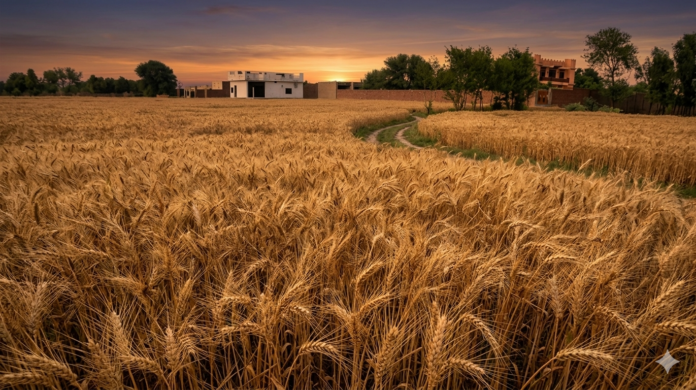

SEVERE WEATHER THREATENS PUNJAB’S WHEAT CROP
Punjab’s wheat production is under significant pressure as unseasonal weather conditions have hit the province during a critical stage of the harvesting season. Following an early March heatwave, farmers have faced strong winds and heavy rainfall, which have disrupted crop growth and raised concerns over reduced yields. The combination of extreme heat and stormy conditions has affected large swaths of farmland, threatening to impact national production targets this season.
Experts and farmer representatives are closely monitoring the situation as the agricultural sector grapples with these sudden climatic shifts. Early assessments indicate that weather-related damages could lead to a notable decline in overall wheat output.
ESTIMATED DECLINE IN WHEAT YIELDS
Current estimates suggest that wheat output in Punjab may decrease by 7 to 8 percent compared to earlier projections. Some internal assessments even warn that losses could rise as high as 10 percent if adverse conditions persist. Strong winds and heavy rainfall have caused widespread lodging, a phenomenon where standing wheat plants are flattened, making harvesting difficult and reducing grain quality.
Lodging is particularly damaging because it not only lowers the total yield but also increases the likelihood of grain rot and pest infestation. These factors directly impact both the quantity and quality of wheat, which could have further repercussions on food supply and pricing at a national level.
OFFICIAL AND FARMER PERSPECTIVES ON THE CROP
Despite the emerging risks, government officials maintain a cautiously optimistic outlook. Punjab Agriculture Secretary highlighted that the province could still produce a bumper wheat crop this year, although no updated official production figures were released in the recent briefing. Previously, the Agriculture Department had projected total wheat production at 22.5 million tons, reflecting confidence in achieving robust harvest levels.
In contrast, farmer groups have expressed much more cautious expectations. According to their observations, the unusual weather has severely affected crop prospects, making it difficult to meet the official targets. Maize crops and mango orchards have also suffered due to the same weather patterns, adding to broader concerns about the impact on agricultural productivity in the region.
REVISED PRODUCTION ESTIMATES
Internal reviews indicate that Punjab’s wheat production may now settle closer to 21 million tons, significantly below the earlier target of 22.5 million tons. Some departmental officials believe that total output may not exceed 21.5 million tons, bringing official projections more in line with farmer concerns.
This revised estimate reflects the tangible impact of extreme weather on crop performance. Reduced yields in Punjab could influence national wheat supply, as the province contributes a substantial portion of the country’s total wheat output. Any shortfall may require adjustments in procurement strategies and contingency planning.
IMPACT OF LODGING AND WEATHER DAMAGE
The most visible effect of the severe weather has been widespread lodging. Flattened wheat plants create major harvesting challenges, slowing down collection and increasing operational costs. Lodged crops are also more susceptible to moisture absorption from rainfall, which can lead to mold and reduce overall grain quality.
In addition, strong winds can physically damage the wheat stalks and heads, further decreasing potential yields. When combined with unseasonal rain, the stress on crops intensifies, increasing the risk of production shortfalls. These conditions also make it harder for machinery to operate efficiently in the fields, adding additional logistical challenges for farmers.
WHEAT PROCUREMENT TARGETS AND PREPARATIONS
In response to the potential shortfall, the government has set a wheat procurement target of 3 million tons, with official operations scheduled to begin from April 15. Authorities are finalizing district-wise harvesting cost estimates to ensure a smooth collection process despite the challenging field conditions.
Procurement operations will play a critical role in stabilizing the market and securing supplies for strategic reserves. By purchasing wheat directly from farmers, the government can mitigate the impact of price fluctuations and ensure a steady supply for domestic consumption.
FARMER CONCERNS AND MARKET IMPLICATIONS
Farmers are closely watching both weather patterns and government interventions as they plan their harvesting activities. While some hope that crop losses remain within manageable limits, others are worried that continued adverse conditions could further reduce output.
Reduced wheat production in Punjab could have significant ripple effects across the food supply chain, influencing prices for flour, bakery products, and other wheat-based goods. Market analysts are monitoring the situation to anticipate potential price adjustments and ensure adequate measures are taken to prevent shortages.
LONG-TERM AGRICULTURAL CHALLENGES
The current situation in Punjab highlights broader challenges for agriculture in the face of increasingly unpredictable weather patterns. Heatwaves, unseasonal rain, and strong winds are becoming more frequent, underscoring the need for resilient farming practices and adaptive crop management strategies.
Officials are emphasizing the importance of crop monitoring, irrigation planning, and risk mitigation measures to reduce the impact of extreme weather. Investments in technology and infrastructure, such as early warning systems and improved storage facilities, could help farmers manage future risks more effectively.
CONCLUSION: MONITORING AND MITIGATION ARE KEY
Punjab’s wheat crop faces a delicate balance between achieving official production targets and mitigating losses caused by severe weather. With estimates now suggesting a potential 9 percent decline, authorities and farmers alike must navigate the challenges carefully to maintain both yield and quality.
Government procurement operations, strategic planning, and close monitoring of weather and crop conditions will be critical in managing this situation. While the province may still produce a substantial harvest, the current conditions serve as a reminder of the vulnerability of agriculture to extreme weather events and the importance of preparedness and resilience in the sector.
The coming weeks will be decisive in determining the final output, with both domestic and national stakeholders keeping a close eye on developments in Punjab’s wheat fields.
Read More
Gold Prices Drop Below Rs. 500,000 in Pakistan After Yesterday’s Surge