
GULF WAR SENDS SHOCKWAVES THROUGH GLOBAL FASHION INDUSTRY
The global fashion industry is facing a major disruption as escalating tensions in the Gulf region begin to impact one of its most lucrative markets. The ongoing conflict has triggered a sharp decline in luxury retail activity across the United Arab Emirates, a region long considered a key growth hub for high-end brands.
What was once a thriving marketplace fueled by tourism and high consumer spending is now experiencing a sudden slowdown. The ripple effects are being felt not only across the Middle East but throughout the global fashion ecosystem, which relies heavily on strong international demand.
This downturn highlights how geopolitical instability can quickly reshape consumer behavior, disrupt supply chains, and weaken confidence in even the most resilient luxury markets.
SHARP DECLINE IN SALES ACROSS MAJOR RETAIL DESTINATIONS
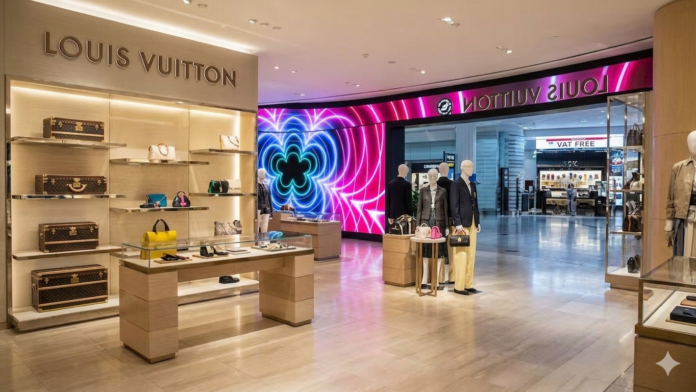
Luxury retailers have reported a steep drop in sales across major shopping destinations in Dubai and Abu Dhabi. The decline has been particularly evident in high-profile malls that typically attract both affluent residents and international tourists.
In one of the region’s most prominent shopping centers, sales fell dramatically during the month of March compared to the same period last year. Reports indicate that several luxury brands experienced declines ranging between 30 percent and 50 percent, reflecting a sudden and significant contraction in demand.
Other leading brands across the region have also reported double-digit declines, with average sales dropping by around 15 percent. These figures point to a widespread slowdown affecting multiple segments of the luxury market, from fashion and accessories to watches and jewelry.
TOURISM DECLINE DEALS A MAJOR BLOW TO RETAIL
A key factor behind the drop in luxury sales is the sharp decline in tourist traffic. Dubai, in particular, has built its retail success on attracting international visitors who contribute significantly to overall spending.
Recent data suggests that footfall in some of the largest retail hubs has fallen by nearly half. This dramatic reduction in visitor numbers has had a direct impact on sales, as tourists typically account for a large portion of high-value purchases.
With fewer travelers visiting the region due to safety concerns and uncertainty, retailers are facing reduced demand and lower conversion rates. The absence of tourist spending is creating a noticeable gap that local consumption alone cannot fill.
ABU DHABI ALSO FEELS THE IMPACT
While Dubai has experienced the most visible decline, Abu Dhabi has not been immune to the effects of the regional conflict. Retail centers in the capital have also reported a drop in sales, though the decline has been somewhat less severe.
The reduction in consumer activity reflects a broader trend of cautious spending behavior among residents and visitors alike. Even in markets that are less dependent on tourism, uncertainty surrounding the geopolitical situation is influencing purchasing decisions.
This slowdown underscores the interconnected nature of the region’s economy, where developments in one area can quickly influence market conditions elsewhere.
MIDDLE EAST LOSES STATUS AS A GROWTH ENGINE
For years, the Middle East has been regarded as one of the most promising growth regions for the global luxury industry. Strong economic conditions, high disposable incomes, and a steady influx of tourists have made it a key contributor to industry expansion.
However, the current conflict has disrupted this trajectory. The region, once seen as a reliable source of growth, is now facing declining sales and uncertain prospects. This shift is particularly concerning for brands that have invested heavily in expanding their presence across Gulf markets.
The loss of momentum in such a critical region adds to existing challenges faced by the global fashion industry, which has already been dealing with slowing demand in other parts of the world.
GLOBAL FASHION MARKET UNDER PRESSURE
The impact of the Gulf war extends beyond regional markets, placing additional pressure on the global fashion industry as a whole. The sector, valued at approximately $400 billion, relies on a delicate balance of demand across multiple regions.
With sales declining in a key market, brands are facing increased difficulty in maintaining growth targets. This is especially challenging at a time when the industry has already experienced a slight contraction in overall sales in the previous year.
The combined effect of geopolitical tensions, economic uncertainty, and shifting consumer behavior is creating a challenging environment for luxury brands worldwide.
HIGH PROFITABILITY OF UAE MARKET HEIGHTENS IMPACT
Although the Middle East accounts for a relatively small share of global luxury consumption, it remains one of the most profitable markets for high-end brands. Factors such as low taxation, high spending power, and strong retail performance per square meter have made it exceptionally attractive.
The decline in sales in this region therefore has a disproportionate impact on overall profitability. Losing revenue from such a high-margin market can significantly affect financial performance, even if the volume of sales is smaller compared to other regions.
This dynamic makes the current downturn particularly concerning for global fashion houses, many of which rely on the Middle East to boost earnings.
RECOVERY MAY TAKE TIME DESPITE DIPLOMATIC EFFORTS
Even if diplomatic efforts lead to a resolution of the conflict, the path to recovery is unlikely to be immediate. Consumer confidence, once shaken, can take time to rebuild, especially in markets heavily influenced by tourism.
Travel patterns may take months to normalize, and retailers may need to implement new strategies to attract customers back to stores. Promotional campaigns, enhanced digital experiences, and localized marketing efforts could play a role in driving recovery.
However, the speed and extent of the rebound will largely depend on how quickly stability returns to the region and whether consumers regain confidence in traveling and spending.
A DEFINING MOMENT FOR THE LUXURY RETAIL SECTOR
The current downturn in UAE luxury sales represents a defining moment for the global fashion industry. It highlights the vulnerability of even the most successful markets to external shocks and underscores the importance of diversification.
Brands may need to reassess their strategies, focusing on resilience and adaptability in an increasingly unpredictable global environment. Expanding into new markets, strengthening online channels, and reducing reliance on specific regions could become key priorities.
As the situation continues to evolve, the industry will be closely watching how events unfold. The lessons learned from this disruption could shape the future of global fashion retail for years to come.
In the meantime, the sharp decline in UAE sales serves as a stark reminder of the far-reaching impact of geopolitical instability on global commerce and consumer behavior.
Read More
Global Pistachio Rates Hit 8-Year Peak Amid US-Iran War Supply Shock