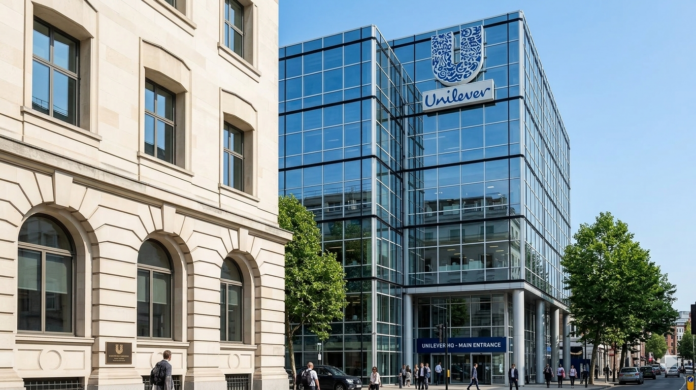

Unilever Pakistan Faces Ownership Uncertainty After Global Deal
A major global business transaction has placed the future ownership structure of Unilever Pakistan in focus, as developments at the parent company level are expected to cascade down to its local operations. The announcement signals a potential shift in control, raising questions about how the company’s structure, strategy, and market positioning may evolve in the coming months.
The development stems from a large-scale international agreement involving the global food business of the parent company, which is set to merge with another major player in the food and flavor industry. While the deal is still subject to regulatory approvals and final conditions, its implications are already being assessed at multiple levels, including within Pakistan.
Global Transaction Sparks Structural Changes
The global deal involves the combination of a major international food division with another leading company specializing in flavors, condiments, and packaged food products. The transaction is expected to create a significantly larger entity with a strong global footprint and a diversified portfolio of consumer brands.
This new combined group is projected to generate substantial annual revenue, positioning it as a dominant force in the global food industry. By bringing together well-known food brands under one umbrella, the deal aims to enhance operational efficiencies, expand market reach, and strengthen product innovation.
Such large-scale mergers often lead to restructuring across regional subsidiaries, and Pakistan is no exception. As a result, the ownership and control of local operations may undergo adjustments once the global transaction is finalized.
Impact on Local Shareholding Structure
Unilever Pakistan’s current ownership structure includes a majority stake held by a foreign parent entity. With the parent company entering into a merger arrangement, the ultimate beneficial ownership of this stake is expected to change.
This means that while the local company will continue its operations, the entity controlling its shares at the highest level may be different after the deal is completed. Such transitions are common in multinational corporate structures, where local subsidiaries are directly influenced by global strategic decisions.
The expected shift in ownership could have implications for governance, decision-making processes, and long-term strategic direction. However, these changes are typically implemented gradually to ensure continuity and stability in operations.
Evaluation of Local Impact Underway
At present, the company is carefully evaluating how the global deal will affect its local business. This includes assessing potential changes in corporate structure, management oversight, and operational strategy.
While no immediate changes have been announced, the company has indicated that it will provide further updates once more clarity is received from the parent organization. This approach reflects a cautious and measured response, aimed at minimizing uncertainty for stakeholders, including investors, employees, and customers.
The evaluation process is crucial in determining how best to align local operations with the objectives of the new global entity while maintaining efficiency and market competitiveness.
Strategic Importance of the Food Business
The food segment represents a significant part of the company’s global operations, encompassing a wide range of products such as seasonings, sauces, and packaged foods. By combining resources with another major player in the industry, the new entity aims to strengthen its leadership in the global food market.
For Pakistan, the food business has been an important contributor to growth, driven by strong consumer demand and a well-established brand presence. Any changes at the ownership level could influence future investment decisions, product development strategies, and market expansion plans.
However, the core business fundamentals are expected to remain intact, as the local market continues to offer significant growth opportunities.
Potential Opportunities from the Deal
While ownership changes may create uncertainty in the short term, they can also open up new opportunities. The formation of a larger global entity could lead to increased investment, access to advanced technologies, and enhanced product offerings.
Local operations may benefit from improved supply chains, better research and development capabilities, and stronger global integration. These advantages can help drive innovation and improve competitiveness in the domestic market.
Additionally, being part of a larger organization may provide greater resilience against economic fluctuations and industry challenges, ensuring long-term sustainability.
Challenges and Considerations
Despite the potential benefits, the transition also presents certain challenges. Integrating operations across different regions and aligning corporate strategies can be complex and time-consuming.
There may be concerns related to regulatory approvals, changes in management structures, and adjustments in business priorities. Ensuring a smooth transition will require careful planning and effective communication among all stakeholders.
For the local market, maintaining stability during the transition period will be essential. Any disruptions in operations or supply chains could impact consumer confidence and market performance.
Future Outlook for Unilever Pakistan
The future of Unilever Pakistan will largely depend on how the global transaction unfolds and how effectively the company adapts to the new ownership structure. While uncertainties remain, the overall outlook appears stable, given the company’s strong market position and established brand portfolio.
As more details emerge, stakeholders will gain a clearer understanding of the long-term impact of the deal. In the meantime, the company’s focus is likely to remain on maintaining operational efficiency, meeting consumer demand, and ensuring business continuity.
Conclusion: A Transformational Phase Ahead
The potential ownership shift marks a significant moment for Unilever Pakistan, reflecting the broader impact of global corporate strategies on local markets. While the transition may bring changes in control and structure, it also offers opportunities for growth and innovation.
By carefully navigating this phase and leveraging the strengths of the new global entity, Unilever Pakistan can continue to play a leading role in the country’s consumer goods sector. The coming months will be critical in shaping the company’s future direction and defining its position within the evolving global food industry.
Read More
Cement Sales Remain Stable in March Amid Middle East Conflict