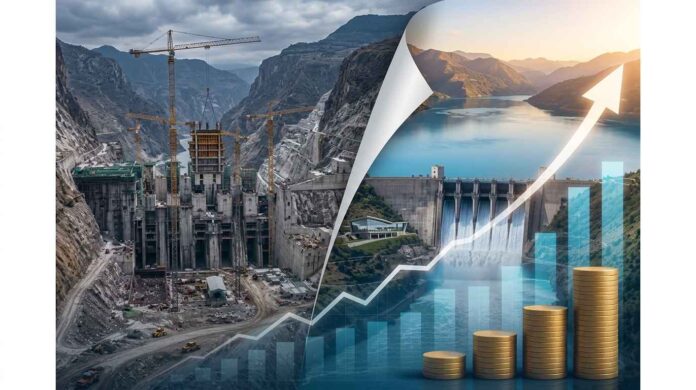

Pakistan’s two largest hydropower infrastructure projects, Mohmand Dam and the Dasu Hydropower Project, have experienced a massive increase in construction costs, with combined estimates rising by nearly Rs. 1.607 trillion. The sharp escalation has pushed the total projected cost of both projects from around Rs. 800 billion to approximately Rs. 2.4 trillion, highlighting the growing financial burden associated with large-scale energy and water infrastructure development in the country.
The revised figures reflect not only inflationary pressures and project delays but also expanded compensation packages, increased development spending for affected communities, technical adjustments, and rising construction expenses over time.
The significant jump in project costs has renewed discussions about Pakistan’s long-term infrastructure financing strategy, fiscal pressures, energy security plans, and the challenges associated with executing mega hydropower initiatives.
Despite the cost escalation, both projects remain strategically important for Pakistan’s future economic growth, water management, flood control, and energy generation capacity. Authorities continue to view the dams as critical investments aimed at reducing reliance on imported fuels while strengthening the country’s renewable energy infrastructure.
Massive Increase in Mohmand Dam Project Cost
The Mohmand Dam Hydropower Project has witnessed a substantial upward revision in its estimated cost. The project’s cost has increased from approximately Rs. 309.558 billion to Rs. 665.743 billion, reflecting a rise of over Rs. 356 billion.
The revised estimates represent more than double the original projected cost approved during the early stages of the project.
The increase highlights the financial complexities involved in constructing large multi-purpose dams in difficult terrain while addressing environmental, technical, and social considerations.
Officials have indicated that the original estimate was approved under the project’s initial planning framework at the time construction contracts were awarded. However, revised calculations have become necessary due to changing economic conditions, updated engineering requirements, inflation in construction materials, and additional development components introduced during implementation.
The updated project estimate is currently awaiting approval under the revised planning framework.
The sharp increase in Mohmand Dam’s cost reflects broader trends affecting infrastructure projects globally, where prolonged timelines, rising material prices, currency depreciation, and logistical challenges often lead to major revisions in budget projections.
Dasu Hydropower Project Records Even Larger Cost Escalation
While Mohmand Dam’s revised cost is significant, the Dasu Hydropower Project has experienced an even larger increase in projected expenditures.
According to revised estimates, the cost of the Dasu project has surged from approximately Rs. 486.093 billion under its original planning framework to nearly Rs. 1.737 trillion. This represents an increase of around Rs. 1.251 trillion.
The Dasu project is considered one of Pakistan’s most ambitious hydropower developments and is expected to play a major role in addressing the country’s long-term electricity requirements.
The enormous cost escalation reflects the scale and complexity of the project, which involves extensive engineering works, transportation infrastructure, power generation facilities, and resettlement programs.
Revised cost estimates for the project have already received formal approval under updated planning arrangements, signaling the government’s continued commitment to completing the project despite mounting financial requirements.
Economic analysts say the rising cost of Dasu illustrates the immense financial challenges associated with mega infrastructure projects in developing economies, especially amid inflationary pressures and currency instability.
Why Hydropower Projects Are Becoming More Expensive
The dramatic rise in costs for both projects can be attributed to multiple factors affecting Pakistan’s construction and infrastructure sectors.
One of the most significant drivers has been inflation in construction materials, including cement, steel, fuel, machinery, and imported equipment. Rising global commodity prices and currency depreciation have increased the cost of both local and imported materials required for dam construction.
Delays in project implementation have also contributed heavily to rising expenditures. Large infrastructure projects often experience timeline extensions due to land acquisition issues, environmental reviews, legal processes, technical adjustments, and financing constraints.
As project timelines expand, labor costs, operational expenses, and administrative overhead continue increasing.
Security measures, transportation infrastructure, geological challenges, and additional engineering modifications have further added to financial pressures.
In addition, updated compensation packages and development allocations for local communities affected by the projects have significantly increased total spending requirements.
Experts believe that future infrastructure planning in Pakistan may require more realistic cost forecasting models and stronger risk management frameworks to minimize large budget escalations.
Strategic Importance of Mohmand Dam for Pakistan
Despite rising costs, Mohmand Dam remains one of Pakistan’s most strategically important infrastructure projects due to its multiple long-term benefits.
The dam is designed as a multi-purpose project capable of supporting flood mitigation, irrigation, drinking water supply, and electricity generation.
Flood control remains a critical objective because Pakistan has repeatedly faced devastating floods causing widespread economic and human losses. Improved water storage capacity through projects like Mohmand Dam can help reduce flood risks and improve water management during extreme weather events.
The project is also expected to support agricultural productivity by improving irrigation supplies for farming areas dependent on consistent water availability.
Water scarcity remains a growing concern for Pakistan due to population growth, climate change, and increasing pressure on existing water resources. Additional reservoir capacity could play a vital role in strengthening national water security.
The electricity generation component of Mohmand Dam is equally important, as Pakistan continues seeking affordable and sustainable alternatives to imported fossil fuels.
Hydropower projects provide renewable energy with lower long-term operating costs compared to thermal power plants dependent on imported oil or gas.
Dasu Project Seen as Key to Pakistan’s Energy Future
The Dasu Hydropower Project is considered one of the most critical components of Pakistan’s future energy infrastructure.
The project is expected to generate substantial electricity capacity capable of helping reduce power shortages, stabilize energy supply, and lower dependence on imported fuels.
Pakistan’s economy has long struggled with energy shortages, expensive fuel imports, and electricity sector inefficiencies. Rising fuel import bills have placed significant pressure on foreign exchange reserves and public finances.
Hydropower projects like Dasu are viewed as essential long-term solutions because they provide relatively low-cost renewable electricity once operational.
The project also aligns with broader efforts to increase the share of renewable energy within Pakistan’s power generation mix.
Energy experts believe expanding hydropower capacity could help improve energy affordability, strengthen industrial productivity, and reduce exposure to international fuel price volatility.
The Dasu project is also expected to contribute to economic activity through infrastructure development, employment generation, and regional connectivity improvements.
Rising Community Compensation and Development Allocations
One notable aspect of the revised project costs is the substantial increase in allocations for local communities affected by construction activities.
For the Mohmand Dam project, development funding for local communities increased from around Rs. 160 million to approximately Rs. 4.5 billion.
Similarly, allocations for communities affected by the Dasu project increased dramatically from Rs. 7 billion to nearly Rs. 57 billion.
The sharp rise reflects growing recognition of the social and economic impact of mega infrastructure projects on surrounding populations.
Large dam projects often require land acquisition, relocation programs, infrastructure adjustments, and environmental mitigation measures that directly affect local residents.
Improved compensation and development funding are intended to support rehabilitation, housing, public services, education, healthcare, roads, and economic opportunities for displaced or affected communities.
Analysts believe stronger community support programs are essential for reducing social tensions and ensuring smoother project implementation.
However, the expanded compensation packages have also contributed significantly to rising project expenditures.
Hydropower Development Critical for Energy Security
Pakistan’s growing population and expanding industrial sector continue increasing demand for reliable electricity supplies.
At the same time, dependence on imported fuels has exposed the country to international energy price shocks and foreign exchange pressures.
Hydropower development is increasingly viewed as one of the most viable long-term solutions for improving energy security and reducing electricity generation costs.
Unlike imported fuel-based power plants, hydropower projects provide domestically generated renewable electricity with lower operational expenses after construction is completed.
Pakistan possesses substantial untapped hydropower potential, particularly in northern regions with favorable river systems and mountainous terrain.
Authorities believe investments in projects like Dasu and Mohmand are necessary to support future economic growth while transitioning toward more sustainable energy sources.
Energy diversification through hydropower can also help improve environmental sustainability by reducing dependence on fossil fuel consumption.
Financial Challenges Facing Mega Infrastructure Projects
The rising cost of major infrastructure projects presents serious financial challenges for Pakistan’s economy and public finances.
Large hydropower projects require extensive long-term financing arrangements involving government funding, international lenders, development institutions, and external partners.
As project costs increase, financing requirements also expand, creating additional fiscal pressures.
Debt servicing obligations associated with infrastructure borrowing may place further strain on public finances if projects experience prolonged delays or cost overruns.
Economic experts stress the importance of transparent project management, efficient procurement systems, and strict monitoring mechanisms to control future expenditures.
Infrastructure experts also recommend improved planning methodologies, realistic budgeting, and stronger contingency frameworks for mega projects.
Balancing infrastructure investment needs with fiscal sustainability remains one of the biggest policy challenges facing developing economies like Pakistan.
Climate Change and Water Security Increasing Importance of Dams
Climate change has made water management and flood control increasingly important for Pakistan.
The country has experienced severe floods, changing rainfall patterns, glacier melting, and water shortages in recent years, creating urgent demand for improved water infrastructure.
Large dams can help regulate river flows, store water during wet seasons, and improve resilience against droughts and extreme weather events.
Mohmand Dam’s flood mitigation role is particularly important given Pakistan’s vulnerability to seasonal flooding.
Additional reservoir capacity may also support agricultural resilience by improving irrigation reliability during periods of water scarcity.
Water experts argue that climate adaptation strategies will require continued investment in modern water infrastructure, including dams, reservoirs, canals, and water conservation systems.
Economic Benefits Expected Despite Cost Escalation
Although rising project costs have raised concerns, authorities continue emphasizing the long-term economic benefits expected from both hydropower projects.
Improved electricity generation capacity could support industrial growth, reduce production costs, and improve economic competitiveness.
Reliable energy supplies are essential for manufacturing, exports, technology sectors, and business development.
Additional water storage capacity may strengthen agriculture, which remains a major contributor to Pakistan’s economy and employment.
Infrastructure development associated with the projects may also create jobs, improve regional connectivity, and stimulate local economic activity.
Experts argue that while initial construction costs are substantial, long-term economic returns from renewable energy generation and improved water management could justify the investments over time.
Future Outlook for Pakistan’s Hydropower Expansion
Pakistan’s long-term energy and water security strategies continue relying heavily on hydropower development despite rising project costs.
Authorities view large-scale infrastructure projects as essential investments for supporting future population growth, industrial expansion, and climate resilience.
However, the financial pressures associated with mega projects highlight the need for stronger project planning, efficient execution, and sustainable financing strategies.
Future hydropower expansion will likely depend on Pakistan’s ability to attract investment, secure international financing, and improve project governance frameworks.
The experience of Mohmand and Dasu may also influence how future infrastructure projects are planned and managed.
While cost escalations remain a major concern, both projects continue to represent critical pillars of Pakistan’s broader efforts to achieve energy independence, improve water security, and strengthen long-term economic stability.
As construction progresses, the success of these projects will be closely watched as indicators of Pakistan’s ability to deliver large-scale strategic infrastructure capable of shaping the country’s economic future for decades to come.
Read More
Pakistan Suffers Rs. 860 Billion Annual Losses Due to Intellectual Property Violations