
The Asian Development Bank (ADB) has approved a major $400 million regional financing facility to improve border crossing points across 11 countries in the Central Asia Regional Economic Cooperation (CAREC) region, including Pakistan.
The new funding is aimed at making borders faster, more modern, and better connected. It will support the improvement of roads, rail links, digital systems, and border inspection facilities. The overall goal is to reduce the time people and goods spend at border crossings and lower the cost of trade and transport.
For Pakistan, the development could support its larger goal of improving regional trade links and strengthening connections with neighbouring countries and Central Asian markets.
The ADB has introduced the financing facility under its Border Upgrades for Integration, Logistics, and Development (BUILD) programme. The programme is expected to help CAREC countries deal with outdated border facilities, long delays, rising transport costs, and other problems that make cross-border trade difficult.
A Major Investment in Regional Connectivity
The $400 million facility has been approved to support border improvements across the CAREC region. The region includes Pakistan, Afghanistan, Azerbaijan, China, Georgia, Kazakhstan, the Kyrgyz Republic, Mongolia, Tajikistan, Turkmenistan, and Uzbekistan.
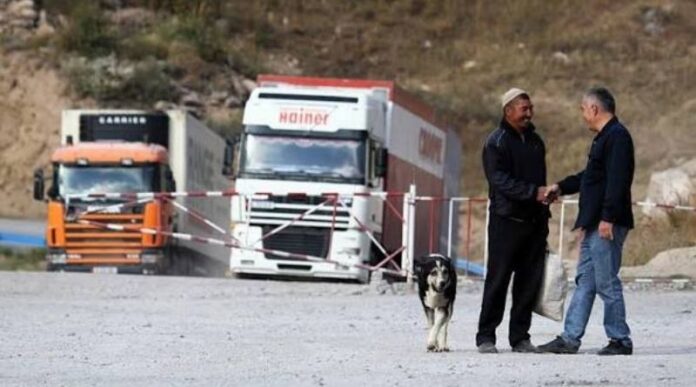
These countries have different economic needs and geographical conditions, but many of them face similar problems at their borders. Trucks carrying goods can face long waiting times, passengers may experience delays, and old systems can make trade slower and more expensive.
Modern border infrastructure can play an important role in solving these issues.
The new ADB financing will help participating countries upgrade important border crossing points. The focus will be on improving both physical infrastructure and the systems used to manage the movement of people and goods.
The programme is expected to support improvements in road and rail border points, depending on the needs of individual countries and projects.
What Will the $400 Million Be Used For?
The BUILD programme will support several important areas related to border management and regional trade.
One major focus will be the modernisation of infrastructure. This could include improvements to roads leading to border crossings, better facilities for cargo handling, upgraded rail connections, and other essential infrastructure.
The programme will also support the introduction of modern digital systems.
Digital technology can make border processes faster by reducing paperwork and improving coordination between different government departments and agencies. In many cases, traditional manual procedures can cause unnecessary delays.
Modern digital systems can help authorities process information more quickly and improve the tracking of cargo and transport vehicles.
Another important part of the programme will be advanced inspection and screening equipment.
Modern scanning and inspection systems can help authorities check goods more efficiently. This can improve security while also reducing the amount of time vehicles and cargo spend waiting at border points.
The goal is not only to make borders more secure but also to make the legal movement of people and goods easier and faster.
Reducing Delays at Border Crossings
Long delays at borders can create serious problems for businesses, transport companies, traders, and passengers.
When trucks carrying goods remain stuck for several hours or even days, transport costs can increase. Perishable goods can be damaged, delivery schedules can be affected, and businesses may lose money.
Small businesses can be affected more severely because they often have fewer resources to deal with high transport and logistics costs.
The ADB believes that modern border facilities can help reduce these problems.
By improving infrastructure and introducing better systems, the programme is expected to reduce border-crossing times. Faster movement can also help lower transport and logistics costs across the region.
This could make regional trade more attractive and improve the ability of local businesses to sell their products in other countries.
For Pakistan, easier movement of goods could create new opportunities for exporters, transport companies, and businesses involved in regional trade.
Pakistan’s Importance in the CAREC Region
Pakistan has an important geographical position within the CAREC region.
The country connects South Asia with Central Asia and can provide important trade routes to landlocked countries in the region. Pakistan also has access to seaports, which can create opportunities for regional trade and transport.
Better border infrastructure can strengthen Pakistan’s position as a trade and transit route.
Pakistan is already working to improve its transport network and regional connections. Roads, highways, railways, ports, and border facilities are all important for the movement of goods.
However, good roads alone are not enough.
If cargo reaches a modern highway but remains stuck for long periods at a border crossing, the benefits of the transport infrastructure can be reduced. This is why efficient border management is considered an important part of regional connectivity.
The new ADB facility could help participating countries improve the weak points in the movement of goods and people across borders.
Improving Trade Between CAREC Countries
One of the main goals of the programme is to increase trade within and beyond the CAREC region.
Trade can help countries expand their markets and create new opportunities for businesses. A company that sells its products only in the local market has limited customers. Access to regional and international markets can allow businesses to grow.
However, high transport costs and border delays can make cross-border trade difficult.
A product may be competitive in price when it leaves a factory, but long delays, additional transport costs, and complicated border procedures can make it more expensive by the time it reaches another country.
Improving border systems can help reduce these extra costs.
The BUILD programme is expected to support stronger economic corridors and better links between countries. It could help create smoother transport routes for goods moving between Central Asia, South Asia, China, the Caucasus, and other markets.
For Pakistan, stronger regional links may support efforts to increase exports and expand trade with neighbouring and Central Asian countries.
More Opportunities for Small and Medium Businesses
The new border financing facility is also expected to benefit small and medium-sized businesses.
Large companies usually have more resources to manage complicated transport systems and border procedures. Smaller businesses may find it more difficult to deal with long delays and high logistics costs.
If border crossings become faster and more efficient, smaller businesses may find it easier to take part in cross-border trade.
This could allow companies to reach new customers outside their home countries.
Small and medium-sized enterprises play an important role in creating jobs and supporting economic activity. Better access to regional markets can help these businesses grow.
For Pakistani businesses, improved regional trade systems could create more opportunities to export products and services.
Sectors such as agriculture, textiles, food products, manufacturing, and logistics may benefit from better trade connections.
Modern Borders Need Modern Technology
Technology will be an important part of the ADB-backed programme.
In the modern world, efficient border management is increasingly dependent on digital systems.
Paper-based procedures can be slow and may require businesses to submit the same information to several different departments. Digital systems can help reduce unnecessary paperwork and improve communication.
Electronic data sharing can also help border authorities process information before a truck or shipment arrives at the border.
This can save time and reduce delays.
Modern screening equipment can also make inspections faster and more accurate.
Instead of manually checking every shipment in the same way, authorities may be able to use technology and risk-based systems to focus more attention on suspicious or high-risk cargo.
Such improvements can support both security and trade facilitation.
A good border system should protect a country while also allowing legal trade and travel to move efficiently.
A 10-Year Regional Programme
The ADB financing facility has been designed to support projects over a period of 10 years.
Under the facility, qualifying border projects can receive financing for priority investments.
The programme is expected to make it easier for participating countries to move forward with smaller but important border infrastructure projects.
According to the approved framework, ADB financing for an individual qualifying project can be limited to $50 million.
This approach can allow the facility to support multiple projects across the region instead of focusing all available funding on one major development.
Different countries can have different needs.
One country may require a better road connection to a border crossing. Another may need modern cargo inspection equipment. A different location may need digital systems or improved railway facilities.
The financing structure allows projects to focus on local requirements while working toward the larger goal of better regional connectivity.
The Countries Included in the Programme
The CAREC region covered by the new financing includes 11 countries.
These are Pakistan, Afghanistan, Azerbaijan, China, Georgia, Kazakhstan, the Kyrgyz Republic, Mongolia, Tajikistan, Turkmenistan, and Uzbekistan.
The region covers an important area linking several parts of Asia.
Better cooperation among these countries can improve the movement of goods and people across long distances.
Many CAREC countries depend heavily on land transport and cross-border trade. Some are landlocked and need reliable transport routes through neighbouring countries to reach international markets and seaports.
This makes efficient regional connectivity especially important.
Improved border facilities can help reduce some of the challenges created by distance and geography.
Better Borders Can Support Economic Growth
Border infrastructure may not always receive the same attention as major highways, ports, or airports, but it plays a major role in trade and economic activity.
A modern highway is useful only when goods can move smoothly from one country to another.
Long border delays can reduce the benefits of large investments in roads and transport networks.
This is why the new programme focuses on border points as an important part of regional economic development.
Faster and more reliable trade routes can help businesses plan better.
Transport companies can improve their schedules when border waiting times become more predictable. Exporters can deliver products more quickly, while importers can receive important goods with fewer delays.
Consumers may also benefit when lower logistics costs help businesses control their expenses.
Pakistan’s Potential Benefits
Pakistan could benefit from the new facility in several ways.
Improved border infrastructure may support the country’s plans to increase regional trade and strengthen connections with Central Asia.
Pakistan can serve as an important route between Central Asian countries and international markets through its transport networks and seaports.
Better border management could also support Pakistan’s export sector by reducing delays in the movement of goods.
Transport and logistics companies may also benefit from smoother and faster cross-border operations.
The programme may further support Pakistan’s wider efforts to improve digital trade systems and modernise border procedures.
As regional trade grows, efficient border crossings will become even more important.
Pakistan’s location gives it the potential to become a stronger transport and trade link between different parts of Asia. However, achieving this potential will require continued investment in roads, railways, ports, technology, and border facilities.
A Step Towards Faster and Smarter Regional Trade
The ADB’s approval of the $400 million financing facility is an important development for the CAREC region.
The programme aims to move away from slow and outdated border systems and support faster, smarter, and more efficient crossings.
The focus on physical infrastructure, digital systems, and modern inspection equipment shows that improving borders requires more than simply building new facilities.
Modern trade needs good infrastructure as well as efficient systems.
For Pakistan and the other CAREC countries, the programme could help reduce some of the barriers that make regional trade slow and costly.
Faster border crossings could improve transport routes, support businesses, create new market opportunities, and strengthen economic links between countries.
The success of the programme will depend on how effectively the projects are selected and implemented over the coming years.
If the planned improvements are completed properly, the $400 million BUILD facility could help make border crossings across the CAREC region more efficient and better prepared for future growth.
For Pakistan, this could support its long-term goal of becoming more closely connected with regional markets and playing a stronger role in trade between South Asia, Central Asia, China, and other parts of the region.
With trade volumes expected to grow over time, the need for modern and efficient borders will also increase.
The ADB-backed programme is therefore not only about improving border buildings or installing new machines. It is part of a larger effort to make the movement of goods and people easier, reduce unnecessary costs, and bring the economies of the region closer together.
For businesses, traders, transport companies, and ordinary people, faster and better-managed borders could eventually mean more opportunities, lower costs, and stronger regional connections.
The new $400 million facility represents another step towards building a more connected CAREC region, with Pakistan expected to be among the countries that could benefit from improved border infrastructure and stronger trade links in the years ahead.
Read Also: check