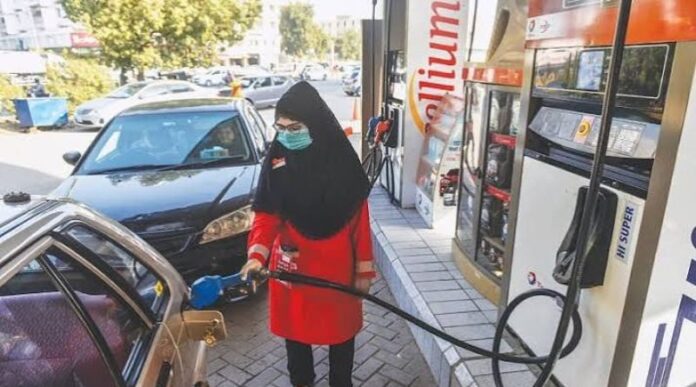

The federal government has once again increased the prices of petrol and high-speed diesel, adding more pressure to people already struggling with the rising cost of living in Pakistan. The latest change comes as fuel prices continue to move up and down because of changes in international oil markets and other costs linked to petroleum products.
Under the new revision, the price of petrol has been increased by Rs0.39 per litre, while high-speed diesel has become more expensive by Rs2.40 per litre. Following the latest increase, petrol is now priced at Rs341.98 per litre, while high-speed diesel is available at Rs370.69 per litre.
The revised rates took effect on August 25, 2026. The new prices were announced under the government’s petroleum pricing mechanism after the Oil and Gas Regulatory Authority revised the ex-depot prices of petroleum products.
Another Increase Adds to Public Pressure
Although the latest increase in petrol is small, the repeated changes in fuel prices are becoming a major concern for ordinary citizens. Petrol and diesel are used in almost every part of daily life, either directly or indirectly.
People who use motorcycles and cars have to spend more money on fuel. Transporters also face higher operating costs, especially when diesel prices increase. Since diesel is widely used in trucks, buses, agricultural machinery and goods transport, an increase in its price can affect the cost of moving people and products across the country.
For many families, even a small increase in fuel prices matters. When petrol becomes expensive, people who travel daily to work, colleges, universities or markets may see their monthly transport expenses rise. Similarly, higher diesel prices can increase the cost of public transport and the movement of goods.
This is why frequent changes in petroleum prices are closely watched by the public and businesses.
Latest Petrol and Diesel Prices
According to the latest official revision, petrol has increased from Rs341.59 per litre to Rs341.98 per litre. This means an increase of Rs0.39 per litre.
At the same time, the price of high-speed diesel has increased from Rs368.29 per litre to Rs370.69 per litre. The latest increase in diesel is therefore much larger than the increase in petrol.
The new prices are part of a series of recent fuel price adjustments. The government has been changing petroleum prices frequently under its current pricing mechanism, which takes international market conditions and other cost factors into account.
Fuel Prices Have Changed Several Times Recently
The latest increase is not the first fuel price change in recent days. Petrol and diesel prices have been revised several times as the government continues to respond to changing market conditions.
Before the latest revision, the government had increased the price of petrol by Rs3.81 per litre and high-speed diesel by Rs3.59 per litre. That increase took petrol to Rs341.59 per litre and diesel to Rs368.29 per litre.
Just before that, petrol had gone up by Rs0.27 per litre, while high-speed diesel had increased by Rs1.64 per litre.
These frequent changes mean that fuel prices can rise or fall within a short period. For consumers, this makes it difficult to predict how much they will spend on fuel in the coming days.
Why Petrol and Diesel Prices Matter So Much
Fuel prices have a direct impact on Pakistan’s economy and the daily lives of millions of people. Petrol is mainly used by private vehicles, motorcycles and many small commercial vehicles. Diesel, on the other hand, plays an important role in transportation, agriculture and industry.
A rise in petrol prices directly affects car and motorcycle owners. In Pakistan, motorcycles are one of the most common forms of transport, especially for middle-class and working families. Therefore, even a small increase in the price of petrol can increase monthly expenses.
Diesel prices can have an even wider effect on the economy. Trucks and other heavy vehicles use diesel to transport food, raw materials and other goods from one city to another. When transport costs increase, businesses may pass some of the extra cost to customers.
Farmers can also feel the impact of higher diesel prices. Diesel is used in tractors, tube wells and other agricultural machinery. Higher fuel costs can increase the overall cost of farming, which may later affect food prices.
Impact on Transport Costs
The transport sector is among the first to feel the effects of rising fuel prices. Bus operators, goods transport companies and other transport businesses have to spend more money when petrol or diesel becomes expensive.
If fuel costs continue to increase, transporters may eventually raise fares to cover their expenses. This can affect workers, students and other people who depend on public transport every day.
The movement of goods can also become more expensive. Pakistan’s markets depend heavily on road transport to move fruits, vegetables, food items, clothing and other products between cities.
When transport companies face higher fuel bills, the cost of delivering goods may increase. This can add pressure to businesses and consumers.
Possible Effect on Food and Other Prices
One of the biggest concerns about higher fuel prices is their possible impact on inflation. Fuel is connected to many parts of the economy. From agriculture and factories to shops and delivery services, transportation is needed at almost every stage.
For example, vegetables and fruits have to be transported from farms to markets. Goods produced in factories must also be delivered to different cities. When transportation becomes more expensive, businesses may increase prices to manage their costs.
However, the effect may not always be immediate. Some businesses may absorb a small increase for a short time, while others may quickly pass the additional cost to customers.
Still, repeated fuel price increases can create extra pressure on an economy where people are already concerned about the high cost of basic goods and services.
Government Continues Frequent Price Revisions
The government has continued to revise petroleum prices under its existing pricing system. Recent official notices show that petroleum prices have been adjusted frequently, including several changes during August 2026.
The purpose of such revisions is to keep local prices in line with changes in international oil markets and other costs involved in bringing petroleum products to consumers.
International oil prices can change because of global demand, supply problems, political tensions and other international developments. Since Pakistan imports a large part of its petroleum needs, changes in the global market can affect local fuel prices.
The exchange rate can also influence the final cost. When the Pakistani rupee changes against the US dollar, the cost of imported petroleum products can also be affected.
Previous Fuel Price Trends
Fuel prices in Pakistan have seen major changes during recent months. At different times, prices have moved sharply upward and downward.
For example, high-speed diesel was recently reduced by Rs32.63 per litre after talks with oil refineries, while petrol increased by Rs2.97 per litre at the same time. This showed how different petroleum products can move in different directions depending on supply and pricing factors.
However, the relief from a reduction in one product can sometimes be short-lived because prices may be revised again soon afterward. The latest increase in both petrol and diesel shows how quickly the situation can change.
Burden on Ordinary Citizens
For ordinary Pakistanis, fuel prices are more than just numbers announced by the government. They affect daily budgets and household expenses.
A person who uses a motorcycle for daily travel may have to spend more money every month when petrol becomes expensive. A family that depends on public transport may also face higher travel costs if fares are increased.
Small businesses can also be affected. Delivery riders, taxi drivers and people who use vehicles for work must manage their expenses carefully. Any increase in fuel prices can reduce their earnings unless they are able to charge customers more.
For low-income families, repeated increases in fuel and transport costs can make it even harder to manage household budgets.
Businesses Also Face Higher Costs
Businesses across different sectors can feel the impact of rising fuel prices. Companies that rely heavily on transportation may face higher operating expenses.
For example, delivery services need vehicles to move products. Manufacturing companies need raw materials to be transported to factories and finished products to be sent to markets. Retail businesses also depend on transport companies to receive goods.
When fuel prices rise repeatedly, companies may have to review their budgets and pricing strategies. Some may try to reduce other expenses, while others may increase the prices of their products and services.
This is one reason why fuel prices are considered an important part of the overall cost of doing business in Pakistan.
What Happens Next?
The future direction of petrol and diesel prices will depend on several factors. International oil prices will remain important, along with the value of the Pakistani rupee and other costs included in the petroleum pricing system.
If global oil prices fall or market conditions improve, there may be a possibility of lower local fuel prices in the future. However, if international prices rise again, Pakistani consumers could face further increases.
For now, motorists and businesses will have to adjust to the latest rates. The frequent changes in fuel prices also mean that consumers need to keep an eye on official announcements.
Final Thoughts
The government’s latest decision to increase petrol by Rs0.39 per litre and high-speed diesel by Rs2.40 per litre has once again added to public concerns about rising living costs. Petrol is now priced at Rs341.98 per litre, while high-speed diesel has reached Rs370.69 per litre.
While the latest increase in petrol is small, the repeated changes in fuel prices remain a major issue for households, transporters, farmers and businesses. Diesel prices are especially important because of their role in goods transport and agriculture.
The government says fuel prices are revised under the petroleum pricing mechanism, taking international oil market movements and other costs into account. However, for ordinary citizens, the main concern is how these changes affect their monthly expenses.
As Pakistan continues to deal with inflation and other economic challenges, stable and affordable fuel prices remain important for both the public and the wider economy. People will now be watching future official announcements to see whether fuel prices rise further or provide some relief in the coming days.
Read Also: check