
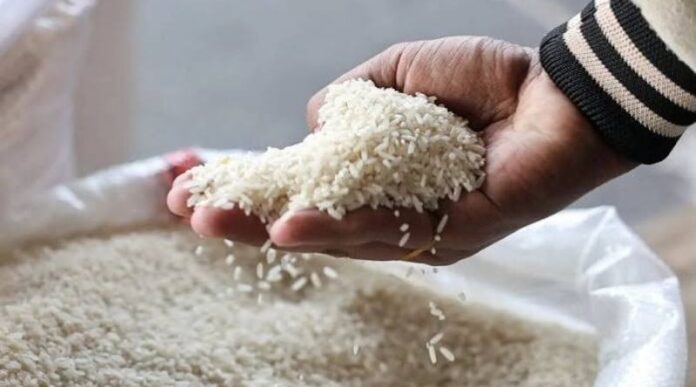

Basmati rice is one of the most famous food products connected with South Asia. Known for its long grains, pleasant smell, and rich taste, it has been enjoyed for generations in both Pakistan and India. The rice is also an important export product, bringing valuable foreign exchange to both countries.
For years, Pakistan and India have been involved in a legal and business dispute over the name “Basmati.” The issue is simple on the surface but important for farmers, exporters, traders, and consumers: Who has the right to use and protect the Basmati name in international markets?
The dispute became especially important in Europe, where both countries sell Basmati rice. India tried to secure stronger protection for the name in the European Union, while Pakistan objected because Pakistani farmers and exporters also produce and sell Basmati rice.
Recent legal developments have once again highlighted the fact that the Basmati name cannot simply be treated as the exclusive property of one country. European legal records also show that Pakistan has formally applied for protection of the name “Basmati” as a Protected Geographical Indication (PGI) in the EU.
Why Basmati Rice Matters to Pakistan
Basmati rice is much more than a food item for Pakistan. It is an important part of the country’s agriculture and export business. Thousands of farmers depend on rice farming, while exporters, millers, transporters, traders, and other businesses are connected with the industry.
Pakistan is also one of the world’s major Basmati rice exporters. The European market is especially important because Pakistani rice has strong demand among consumers looking for high-quality aromatic rice.
This is why any attempt to give one country exclusive control over the Basmati name could create serious problems for Pakistan.
If Pakistani exporters were unable to sell their rice under the Basmati name in an important international market, they could face higher costs, weaker sales, and greater pressure from competitors. Farmers could also suffer if exporters reduced their purchases or offered lower prices.
The Main Dispute Between Pakistan and India
The disagreement mainly concerns the geographical identity of Basmati rice.
India has argued that Basmati has a strong connection with areas where it is traditionally produced in the country. It has taken steps in international markets to secure legal protection for the name.
Pakistan, however, has strongly opposed the idea that India should have exclusive rights over Basmati.
Pakistan’s position is that Basmati is also traditionally grown in its territory and that Pakistani farmers have a long history of producing and exporting the rice.
The European Commission’s documents support the fact that Basmati is also grown in specific areas of India while Pakistan has separately submitted its own application for protection of the name in Europe.
This makes the issue more complicated than a normal trademark dispute.
Trademark and Geographical Indication Are Different
One important point is that people often use the words “trademark” and “geographical indication” as if they mean the same thing. They do not.
A trademark normally identifies a particular company, brand, or business. A geographical indication, on the other hand, connects a product with a particular place and its special qualities or reputation.
For example, when a food product gets GI protection, the idea is that its name is connected with a certain area and traditional production methods.
Basmati is a special case because both Pakistan and India have a long history of producing the rice.
European legal documents have also examined whether the word “basmati” is understood mainly as the name of a type of rice or as a geographical name. In one major EU case, the court found that European consumers generally understood “basmati” as a particular type of popular long-grain rice.
This legal difference is important when discussing claims that India “lost” a Basmati trademark case.
What the European Court Actually Decided
There has been some confusion around the Basmati legal dispute because different cases have involved different issues.
In a European Union trademark case, the EU General Court examined a trademark containing the words “Sir Basmati Rice.” The court considered arguments about the meaning and geographical connection of the word “Basmati.”
The court noted that Basmati rice is widely associated with India, while evidence connecting it with Pakistan was less commonly mentioned in the material presented to the court. However, the court also found that the word “basmati” primarily referred to a type of rice and was not, by itself, enough to establish a direct geographical name in the eyes of the relevant EU public.
So, the legal history should not be presented as a simple court order saying that Pakistan owns the Basmati name and India does not.
Instead, the wider dispute is about whether one country can claim exclusive protection over a product that is also produced traditionally in the other country.
Pakistan’s Case in Europe
Pakistan has taken its own steps to protect Basmati in the European market.
In 2023, Pakistan submitted an application to the European Commission seeking protection of the name “Basmati” under the EU’s geographical indication system. The European Commission examined the application and concluded that it met the required conditions for publication. The application was then published so that interested parties could submit objections under the EU process.
This was an important move because it gave Pakistan a formal opportunity to present its case in the European market.
The Pakistani application explains the traditional history and reputation of Basmati rice and connects the product with the geographical region where it has been grown for many years. European documents also describe the special qualities, reputation, and history associated with Basmati rice.
Why India Wanted Exclusive Protection
India has a large Basmati rice industry and is one of the world’s biggest exporters of the product. Protecting the Basmati name in international markets could give Indian exporters an advantage.
If the EU accepted Basmati as an Indian-only geographical indication, products from other countries could potentially face restrictions when using the name.
That is why Pakistan opposed India’s application.
Pakistan has argued that such protection would hurt its exporters because Pakistani farmers also produce genuine Basmati rice.
The European market is not a small market for the industry. Pakistan and India have both competed for customers in international markets for many years. Any change in rules over the use of the Basmati name could therefore affect prices, exports, farmers, and businesses.
Basmati Has a Long History in the Region
The Basmati dispute is also linked with the history and culture of the region.
Basmati rice has been grown in areas around the Himalayan foothills and the wider Indus-Gangetic region for generations. Its long grain and strong natural aroma have helped make it popular across South Asia and in international markets.
European documents related to Pakistan’s application point to the long history of Basmati production and its reputation as a special aromatic rice. One document notes historical references to Basmati and describes its association with the region around the foothills of the Himalayas.
This long history is one reason why the dispute cannot easily be settled by saying that only one modern country has a connection with Basmati.
The Issue Is Important for Pakistani Farmers
For Pakistan, the dispute is not only about international law. It is also about the future of farmers.
When Pakistani exporters sell Basmati rice overseas, the name helps buyers understand the type and quality of rice they are purchasing.
If international rules stopped Pakistani companies from using the Basmati name, exporters might have to sell the same rice under another name.
That could make it harder to compete.
A lesser-known name may not have the same value in international markets. Customers who specifically search for Basmati rice may not immediately recognise a new name.
This could eventually affect the price paid to farmers.
For many agricultural communities, export demand is an important source of income. Therefore, protecting the right to market Pakistani Basmati rice is a major economic concern.
Pakistan’s Export Industry Could Benefit
A stronger legal position over the Basmati name could also help Pakistan’s rice exporters.
Pakistan already has an established reputation for producing high-quality rice. Better legal protection could help exporters market their products with greater confidence.
It could also encourage companies to invest in better packaging, processing, quality control, and international marketing.
When a product has strong legal protection, businesses can build a long-term brand around it. Farmers can also benefit when exporters are able to receive better prices for higher-quality produce.
However, legal protection alone is not enough. Pakistan also needs to maintain consistent quality and meet international food safety requirements.
India and Pakistan Both Have Strong Claims
The Basmati dispute is unusual because both countries have genuine historical and commercial links with the product.
India has a very large Basmati industry and exports huge quantities of rice around the world. Pakistan also has a long tradition of growing and exporting Basmati rice.
A study on the legal history of Basmati protection describes the issue as a long-running dispute between India and Pakistan over geographical indication protection.
This means the issue is unlikely to disappear quickly.
Both countries have strong economic reasons to protect their exporters and farmers.
What This Means for Consumers
For ordinary consumers, the legal fight may seem far away. But it can eventually affect the products available in shops.
If rules change in major markets, exporters may have to change packaging, product names, or marketing methods.
Consumers could also see changes in prices if businesses face additional costs.
At the same time, stronger geographical protection can help consumers identify genuine products and reduce confusion about where rice comes from.
This is one reason countries around the world use geographical indication systems for food and agricultural products.
Pakistan Needs to Build Its Own Brand
The Basmati dispute also shows why Pakistan needs to invest more in its rice industry.
Legal action is important, but Pakistan can do more by promoting its own rice internationally.
Pakistani exporters can focus on better packaging, modern processing, quality checks, and stronger marketing.
They can also tell consumers more about the history of Pakistani Basmati rice and the areas where it is produced.
A strong international reputation can help Pakistani rice compete even when market rules become more difficult.
The Bigger Picture
The fight over Basmati is part of a much bigger competition between Pakistan and India in international food markets.
Both countries want their farmers and exporters to receive the benefits of products connected with their history and agriculture.
Basmati is especially valuable because its name already has strong recognition around the world.
The legal debate also shows how difficult it can be to protect traditional products when their history crosses modern national borders.
For Pakistan, the key goal is to make sure its farmers and exporters are not pushed out of important international markets.
For India, the goal is to protect the value and reputation of its own Basmati industry.
Final Thoughts
The Basmati rice dispute between Pakistan and India is far more important than a simple fight over a name. It involves agriculture, exports, farmers, international trade, history, and intellectual property rights.
India has tried to strengthen its position over the Basmati name in international markets, but Pakistan has challenged the idea of giving India exclusive control over a product that is also traditionally produced in Pakistan.
Pakistan has now taken formal steps in Europe to seek protection for the Basmati name under the EU’s geographical indication system. The European Commission has confirmed that Pakistan’s application met the conditions needed for publication and opposition proceedings.
The issue is still legally and commercially important. Rather than viewing the matter as simply one country “owning” Basmati, it is better understood as a long-running dispute over how a famous traditional product should be protected in international markets.
For Pakistan, protecting Basmati means protecting more than a word. It means protecting farmers, exporters, jobs, and an important part of the country’s agricultural identity.
As the legal process continues, the outcome could have a lasting effect on how Pakistani and Indian Basmati rice is sold and recognised around the world.
Read Also: check