
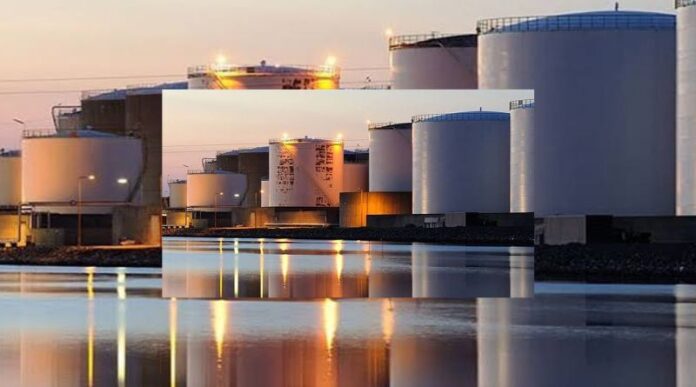

Pakistan’s petroleum exports reached a record level during the fiscal year 2025-26, giving the country’s export sector an important boost at a time when overall merchandise exports faced pressure. Petroleum products earned around $939 million during FY26, marking an increase of about 3.9 percent compared with nearly $903 million in FY25. This is the highest annual value recorded for Pakistan’s petroleum exports so far.
The development is important because Pakistan has traditionally been a major importer of energy products. The country spends a large amount of foreign exchange on crude oil, petroleum products and other energy needs. A rise in petroleum exports, therefore, offers a chance to earn more dollars from products made or processed inside the country.
Although petroleum products still represent a small part of Pakistan’s total exports, their strong performance shows that the sector has room to grow. Better use of local refining facilities, improved production, stronger demand in foreign markets and competitive prices can help Pakistan increase its share in the international petroleum market.
Petroleum Exports Cross a New Record
According to the available FY26 trade data, Pakistan’s petroleum exports reached about $939 million, compared with $903 million in the previous financial year. The increase may look modest in percentage terms, but reaching a new record is still a positive sign for a sector that has not traditionally been one of the country’s biggest export earners.
The Pakistan Economic Survey 2025-26 had already shown strong growth in petroleum product exports during the first nine months of FY26. From July to March, petroleum exports rose by 37.5 percent to $586 million. The quantity exported also increased by 54.3 percent, showing that the improvement was supported by a clear rise in shipment volumes.
This performance helped petroleum products become one of the areas showing better export activity during the year. It also pointed to the possibility that Pakistan could make better use of its refining capacity and turn more processed petroleum products into export goods.
Why This Increase Matters for Pakistan
Pakistan has faced a long-running problem with its external account. The country needs dollars to pay for imports, especially fuel, machinery, medicines and industrial raw materials. At the same time, export earnings have often remained below the level needed to cover the country’s import bill.
In FY26, Pakistan’s total merchandise exports were around $30.13 billion, down from $32.04 billion in FY25 and below the government’s target of $35 billion.
Against this background, the record petroleum export figure becomes more important.
Every additional dollar earned through exports can help improve the country’s foreign exchange position. Petroleum exports alone cannot solve Pakistan’s economic problems, but they can become part of a wider strategy to increase export earnings.
If refineries are able to produce products that meet international standards and sell them at competitive prices, Pakistan could gradually increase petroleum exports and reduce some of the pressure on its external account.
Strong Growth Was Seen Earlier in FY26
The first nine months of FY26 gave a clear indication that petroleum exports were gaining strength.
The Pakistan Economic Survey reported that petroleum product exports increased by 37.5 percent during July-March, reaching $586 million. More importantly, the quantity exported increased by 54.3 percent.
The difference between value growth and quantity growth is also worth noting. Export earnings do not depend only on how much product is shipped. International oil prices, product prices, freight costs and exchange rates can all affect the final dollar value.
Still, the strong increase in quantity shows that Pakistani petroleum products were finding buyers outside the country.
The Economic Survey linked the improvement to several factors, including better global demand, increased domestic refining capacity and competitive pricing. These factors can play an important role in helping Pakistan build a stronger position in the international petroleum market.
Refining Capacity Can Support Future Growth
One of the biggest opportunities for Pakistan is to make better use of its existing refining industry.
A refinery takes crude oil and processes it into products such as petrol, diesel, jet fuel and other petroleum products. Instead of simply depending on imported finished products, Pakistan can increase local processing and then export products when there is demand in international markets.
This can create value inside the country.
More refinery activity can also support transport companies, storage facilities, ports, shipping services and other businesses connected to the energy industry. If exports continue to grow, these related sectors may also benefit.
However, increasing refinery production alone is not enough. Pakistani refineries need to produce the right products at the right quality and price. International buyers have many choices, so Pakistan must remain competitive.
Global Demand Can Create New Opportunities
The international petroleum market changes quickly. Prices can move sharply because of wars, supply problems, changes in production and shifts in global demand.
Pakistan is also affected by these changes because it depends heavily on imported energy. During periods of international uncertainty, oil prices and shipping costs can increase, putting pressure on the country’s import bill.
At the same time, changing market conditions can create opportunities for petroleum exporters.
Pakistan’s ports can play an important role in this area. Karachi and Port Qasim handle large volumes of petroleum-related cargo. In March 2026, Port Qasim handled a major rise in petroleum and LPG cargo amid changes in regional shipping routes.
This shows that Pakistan’s location and port infrastructure can become useful assets for the wider energy trade.
Petroleum Exports Are Still a Small Part of Total Exports
Despite reaching a record high, petroleum exports remain a relatively small part of Pakistan’s overall export earnings.
The Economic Survey said petroleum products accounted for 2.58 percent of total exports during July-March FY26.
This means the sector still has a long way to go before it can become a major source of export income.
Pakistan’s traditional export sectors, including textiles, rice, leather, sports goods and other manufactured products, continue to play a much larger role. The country needs growth across many sectors rather than depending on one product.
Still, petroleum is different from many traditional export industries because Pakistan already has a large domestic energy market and established refining and distribution networks. With the right investment and policies, these existing facilities could support higher exports.
Record Exports Come Despite Energy Challenges
The rise in petroleum exports comes at a time when Pakistan continues to face major energy challenges.
The country imports a large amount of crude oil and petroleum products to meet local demand. This creates pressure on foreign exchange reserves, especially when international oil prices rise.
In other words, Pakistan can be both an importer and exporter of petroleum products at the same time.
This may sound unusual, but it can happen because refineries process different types of crude and produce several products. Domestic demand, refinery output, product specifications and international prices all affect whether a particular product is imported or exported.
The key challenge for Pakistan is to improve the balance.
If local refineries can produce more products that are needed domestically, the country could reduce some imports. If they also produce a surplus of products that can be sold abroad, export earnings could increase further.
Better Technology Could Make a Difference
Technology will be important if Pakistan wants to continue this export growth.
Older refinery equipment can limit the type and quality of products that can be produced. Modern facilities can process crude more efficiently and produce higher-value products.
Upgrading refineries can therefore help Pakistan in two ways.
First, it can support domestic fuel supplies. Second, it can make Pakistani petroleum products more suitable for international markets.
Investment is needed for such improvements. Refineries require large amounts of money for modernization, maintenance and expansion. Investors also need clear government policies and a stable business environment before committing large amounts of capital.
For this reason, energy policy and export policy need to work together.
Government Policies Will Remain Important
The government has been working on changes in the petroleum sector, including discussions around pricing and investment. The Petroleum Division has also continued meetings with international energy companies to encourage cooperation and investment.
A stable policy environment can help companies make long-term plans.
Investors need to know how taxes, duties, fuel prices, imports, exports and other rules will work. Frequent changes can make businesses less willing to invest.
If Pakistan wants petroleum exports to keep growing, the government will need to support refinery upgrades, improve energy infrastructure and make it easier for companies to compete in foreign markets.
More Export Markets Are Needed
Another important issue is market diversification.
Pakistan should not depend on a small number of buyers. If exports are spread across several countries, a sudden fall in demand from one market will have a smaller effect on the overall business.
The country can explore markets in Asia, Africa, the Middle East and other regions where petroleum products are in demand.
Pakistan’s geographic position gives it access to several major trading regions. Better port services and reliable shipping links can help local companies reach more customers.
At the same time, Pakistani exporters must meet the quality requirements of each market. International buyers usually have strict standards for fuel quality, safety and environmental performance.
The Record Is Encouraging, But More Work Is Needed
The $939 million petroleum export figure is a positive development, but it should not be seen as the end of the journey.
Pakistan’s overall exports declined in FY26, with total merchandise exports falling to about $30.13 billion.
This means the country still needs to find new ways to increase export earnings.
Petroleum can be one part of that effort. The sector has shown that it can grow when market demand, production and prices work in its favour.
The next step is to make this growth more stable.
Pakistan needs long-term investment rather than short-term gains. Refineries need modern equipment, energy companies need clear policies and exporters need better access to international markets.
What This Means for the Economy
Higher petroleum exports can provide several benefits to Pakistan.
The most direct benefit is the inflow of foreign currency. Exporters receive dollars from international buyers, which can help improve the country’s external position.
Higher production can also support jobs. Refineries, ports, transport companies, storage facilities and related businesses all depend on activity in the petroleum industry.
There can also be benefits for government revenue through taxes and other charges, although the exact impact depends on the policy structure and profitability of the industry.
Most importantly, a stronger petroleum export sector can help Pakistan move toward a more diverse export base.
A Chance to Build a Bigger Petroleum Export Industry
Pakistan’s record petroleum exports in FY26 show that the country has an opportunity that deserves more attention.
The increase to around $939 million from $903 million is a new high, while earlier FY26 data had already shown strong growth in both the value and quantity of petroleum product exports.
The country now needs to build on this progress.
Better refinery technology, greater production efficiency, competitive prices, improved port facilities and access to new markets can help the industry grow further. Government policies will also be important in creating an environment where local and foreign investors feel confident.
At the same time, Pakistan must continue developing other export sectors. Petroleum should add to the country’s export earnings, not replace industries such as textiles, agriculture and manufacturing.
Conclusion
Pakistan’s petroleum exports reaching an all-time high in FY26 is a welcome development for the country’s economy. Earnings of around $939 million represent the strongest annual performance recorded so far, while earlier figures showed a major rise in export volumes during the year.
The record comes at a time when Pakistan’s overall merchandise exports faced difficulties, making the petroleum sector’s performance even more noticeable. However, the country still has significant work to do.
To turn this record into long-term growth, Pakistan needs modern refineries, stable policies, stronger investment, better infrastructure and more international buyers. If these areas are improved, petroleum products could become a more important part of Pakistan’s export mix.
The latest figures show that the potential exists. The real challenge now is to keep the growth going and turn one record year into a lasting export success.
Read Also: check