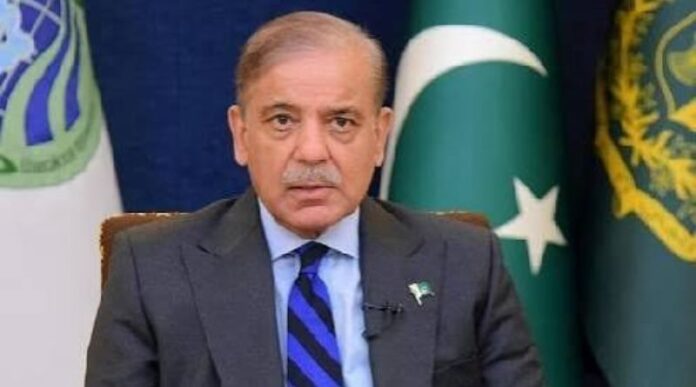

Pakistan’s federal government debt increased by Rs37,307 billion during the combined period of Prime Minister Shehbaz Sharif’s two terms in office, according to figures based on State Bank of Pakistan data.
The increase covers nearly three years and nine months of Shehbaz Sharif’s time as prime minister. His first term began in April 2022, while his second term started in March 2024. The latest figures included in the report run up to July 2026.
The data has brought fresh attention to the country’s growing debt burden and the changes in the size of federal government debt over different political periods.
According to the figures, the federal government’s debt rose by Rs18,764 billion during Shehbaz Sharif’s first term from April 2022 to July 2023. During the first 29 months of his current term, from March 2024 to July 2026, the debt increased by another Rs18,543 billion.
Together, these two increases brought the total rise to Rs37,307 billion.
The figures also show that the federal government’s debt increased by Rs18,323 billion during a similar period of nearly three years and nine months under the Pakistan Tehreek-e-Insaf (PTI) government.
Federal Government Debt Crosses Rs83 Trillion
The State Bank figures show a major rise in the overall size of federal government debt over the years.
In March 2022, which was the final month of the PTI government, federal government debt stood at around Rs43,000 billion.
By July 2023, the figure had increased to Rs61,777 billion. This was the point when the caretaker government took charge after Shehbaz Sharif’s first term ended.
The debt continued to rise during the following period. By July 2026, the federal government’s debt had reached approximately Rs83,883 billion, according to the figures reported from the State Bank documents.
This means that the size of federal government debt has moved significantly higher over a relatively short period.
It is important to note that these figures refer specifically to federal government debt. They should not automatically be treated as the total debt of the entire country, because Pakistan’s broader debt position can include other categories and liabilities.
Rs18,764 Billion Increase During First Shehbaz Term
Shehbaz Sharif first became prime minister in April 2022.
According to the State Bank figures, federal government debt increased by Rs18,764 billion between April 2022 and July 2023.
This period lasted around 16 months.
At the end of the PTI government in March 2022, federal government debt was reported at around Rs43 trillion. By July 2023, it had reached Rs61.777 trillion.
The increase during this period was therefore close to Rs18.8 trillion.
After July 2023, Shehbaz Sharif’s first term ended and a caretaker government took over. The country then went through the political and electoral process that eventually led to the formation of a new government in March 2024.
Debt Rises Further During Second Term
Shehbaz Sharif returned as prime minister in March 2024.
The State Bank data cited in the report shows that federal government debt increased by another Rs18,543 billion from March 2024 to July 2026.
This covers approximately 29 months of the current government.
By July 2026, the total federal government debt had reached Rs83,883 billion.
When the increase during the first term and the increase during the second term are combined, the total rise during the two periods comes to Rs37,307 billion.
The numbers highlight the scale of the debt challenge facing Pakistan as the government continues to manage its finances, repay existing obligations and meet the country’s spending needs.
Comparison With the PTI Government
The State Bank figures also provide a comparison with the PTI government.
According to the report, federal government debt increased by Rs18,323 billion during approximately three years and nine months of the PTI government.
The comparable increase during Shehbaz Sharif’s two periods in office was Rs37,307 billion.
Based on these figures, the increase recorded during the combined period of Shehbaz Sharif’s terms was more than twice the increase reported for the comparable PTI period.
The report calculates that the increase during Shehbaz Sharif’s period was around 104 percent higher than the increase recorded during the similar period of the PTI government.
However, debt figures need to be viewed in the context of the economic conditions and government financing requirements of each period. A rise in government debt can result from several factors, including the need to finance budget gaps, repay old loans, manage external and domestic obligations and deal with changes in the value of the Pakistani rupee.
Therefore, the figures show the change in debt but, by themselves, do not explain every reason behind that change.
Debt Was Rs24,690 Billion Before PTI Government
The State Bank data also gives a longer-term view of the increase.
Before the PTI government came into power, federal government debt stood at around Rs24,690 billion.
By March 2022, the final month of the PTI government, it had reached approximately Rs43,000 billion.
The figure then rose to Rs61,777 billion by July 2023 and later increased further to Rs83,883 billion by July 2026.
This shows that the federal government’s debt has continued to grow across successive governments.
The numbers also underline the pressure faced by Pakistan in managing public finances. Governments have to arrange money not only for development and public services but also for debt repayment and other financial obligations.
Why Government Debt Matters
Government debt is not unusual. Countries around the world borrow money to finance their budgets, development projects and other needs.
The issue becomes more important when debt grows rapidly or when the cost of servicing that debt becomes a major part of government spending.
Pakistan has relied heavily on both domestic and external borrowing over the years. Debt repayments and interest payments can put pressure on the national budget because the government must set aside money to meet these obligations.
Higher debt can also reduce the money available for other areas such as health, education, infrastructure and development.
For Pakistan, managing debt has remained an important part of economic policy. The government has to balance its need for financing with efforts to control the budget deficit and improve revenue collection.
Domestic and External Financial Pressure
Pakistan’s economy has faced several challenges in recent years. These include pressure on foreign exchange reserves, changes in the value of the rupee, high financing needs and rising costs.
When governments face a gap between their income and spending, borrowing is one way to cover that gap.
The federal government collects revenue mainly through taxes and other sources. It also has major expenses, including debt servicing, defence, development spending, salaries, pensions and support for various sectors.
When expenditure remains higher than revenue, additional borrowing may be required.
At the same time, the government must continue making payments on previous loans. This can create a cycle in which new borrowing is partly used to meet old financial obligations.
The latest figures show how large the federal government’s debt has become, reaching nearly Rs84 trillion by July 2026.
A Long-Term Challenge for Pakistan
The rise in federal government debt is part of a wider economic challenge for Pakistan.
Successive governments have faced the same basic problem: limited government revenue compared with the country’s large financial requirements.
Improving tax collection is one way to increase government income. At the same time, controlling unnecessary spending and improving the efficiency of public institutions can help reduce financial pressure.
Economic growth is also important because a stronger economy can increase tax revenues and improve the government’s ability to manage its financial obligations.
For Pakistan, the challenge is not simply to reduce the debt figure. The government also needs to ensure that borrowing is managed carefully and that borrowed money supports economic activity and important national needs.
What the Latest Figures Show
The latest State Bank figures provide a clear picture of the increase in federal government debt over the periods mentioned.
The federal government’s debt stood at around Rs43,000 billion in March 2022. It rose to Rs61,777 billion by July 2023 and reached Rs83,883 billion by July 2026.
During Shehbaz Sharif’s first term, from April 2022 to July 2023, the increase was Rs18,764 billion.
During the first 29 months of his second term, from March 2024 to July 2026, the increase was Rs18,543 billion.
Combined, the rise during these two periods was Rs37,307 billion.
For comparison, the increase during approximately three years and nine months of the PTI government was reported at Rs18,323 billion.
The figures do not by themselves establish why the debt increased or assign responsibility for every part of the change. They provide a record of how the reported federal government debt changed during the specified periods.
Debt Management Remains Important
With federal government debt reaching Rs83,883 billion by July 2026, debt management remains an important issue for Pakistan’s economy.
The government faces the task of meeting its current spending needs while also managing existing loans and future borrowing requirements.
Reducing dependence on borrowing would require stronger government revenues, better control over spending and continued economic growth. It would also require careful management of both domestic and external financial obligations.
The latest figures have once again brought Pakistan’s debt position into focus. They show that federal government debt has grown substantially over the past several years, including during both of Shehbaz Sharif’s periods as prime minister.
As Pakistan works to improve its economic position, the size and cost of government debt will remain an important factor in decisions about the country’s budget, development plans and financial policies.
Read Also: check