
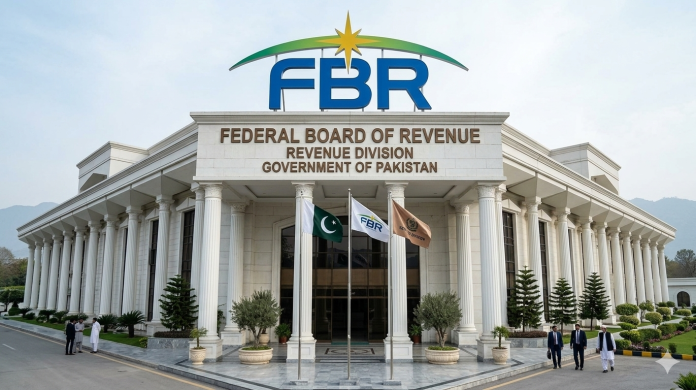

Authorities have introduced new regulations to improve the investigation and handling of tax fraud cases involving businesses and traders. The updated standard operating procedures are designed to create a clear and structured system for identifying, reviewing, and investigating suspected fraudulent activities under the country’s sales tax laws. These measures aim to strengthen enforcement, ensure transparency, and support legal proceedings when cases move through appellate forums.
The new framework focuses on improving coordination between field formations and investigative units so that cases involving suspected tax fraud can be examined efficiently and thoroughly.
New Procedures for Handling Tax Fraud Cases
Under the newly issued standard operating procedures, officials working in field formations are required to follow a defined process when they encounter evidence indicating possible tax fraud. Instead of handling such cases independently, they must forward the relevant information and documentation to the designated intelligence directorate for further review.
This step ensures that suspected cases are assessed by a specialized unit with expertise in analyzing financial irregularities and potential tax violations. The goal is to improve the quality of investigations and ensure that only well-supported cases move forward to the next stage.
The procedures also aim to reduce inconsistencies in how tax fraud cases are handled across different regions by establishing a standardized approach.
Review Process and Investigation Timeline
Once a suspected case is referred, the intelligence directorate will conduct an initial review. The review period has been set at up to 30 days. During this time, officials will analyze the available evidence to determine whether the case warrants a formal investigation under the relevant legal provisions.
This preliminary stage is important because it allows authorities to evaluate the strength of the evidence before launching a full investigation. If the review concludes that sufficient grounds exist, a formal inquiry will be initiated.
By introducing a clear timeline for the review process, the new system aims to prevent unnecessary delays and ensure that investigations proceed in a timely manner.
Strengthening Legal Framework for Investigations
The updated procedures are also intended to ensure that investigations remain legally sound. Tax fraud cases often face challenges during appeals if proper procedures are not followed during the initial stages of inquiry. The new guidelines therefore emphasize documentation, evidence verification, and adherence to legal requirements throughout the process.
Authorized officers involved in such investigations have been granted powers similar to those exercised by civil courts. This allows them to summon individuals, request documents, and gather necessary evidence during the investigation.
In certain circumstances, the law also allows officials to make arrests if the situation requires such action. These powers are intended to help authorities effectively investigate serious cases involving deliberate tax evasion or fraudulent reporting.
Implementation of Further Investigation Steps
If a preliminary inquiry confirms the need for a full investigation, officials will proceed according to the relevant general order issued for such cases. This framework outlines the detailed procedures for conducting investigations, collecting evidence, and documenting findings.
The aim is to maintain consistency in how cases are handled and to ensure that investigations meet the required legal standards. Proper documentation and compliance with the procedures can strengthen the credibility of cases when they are reviewed by higher authorities or courts.
Impact on Businesses and Traders
The introduction of these regulations signals a stronger focus on preventing tax fraud and improving compliance. Businesses and traders are expected to maintain accurate records and ensure that all tax-related transactions are properly documented.
Authorities believe that a more structured investigative process will discourage fraudulent practices while also providing a fair system for examining suspected violations. By ensuring transparency and accountability, the new framework aims to build greater confidence in the tax administration system.
Conclusion
The new regulations represent an effort to modernize the process of investigating tax fraud and strengthen enforcement mechanisms. With clear procedures, defined timelines, and enhanced investigative powers, authorities aim to improve the effectiveness of tax enforcement while ensuring that cases remain legally sustainable.
As these measures are implemented, businesses and traders may see increased scrutiny of tax practices. At the same time, the structured approach is expected to promote fairness, transparency, and stronger compliance across the tax system.
Read More
LESCO Struggles to Process Net Metering Connections for Consumers